Leasing Private Ground in Arizona
Feeling the squeeze on public land, aren't we? It's a common frustration in Arizona, where incredible hunting opportunities often come with significant crowds or notoriously tough draw odds. Many passionate hunters, tired of the yearly lottery heartbreak or sharing a prime glassing knob with half a dozen other folks, start looking for alternatives. This guide will walk you through the often-misunderstood world of leasing private ground in Arizona, exploring how it can offer a unique path to consistent, high-quality hunting experiences.
The Lure of Private Ground: Escaping Arizona's Public Land Crunch
The dream of an Arizona hunt often conjures images of vast, untouched landscapes, but the reality for many is a constant battle for space. Public lands, while abundant, are finite, and the sheer number of hunters means finding solitude can be a real challenge. For some, leasing private ground becomes an attractive solution to this growing pressure.
When Public Lands Feel Like a Public Park
It's a familiar scenario for many of us: you've put in the work, hiked miles before dawn, and finally settled into what you thought was a remote, untouched corner of a unit. Then, as the sun begins to kiss the horizon, you spot another hunter's headlight in the distance, or worse, hear a shot echo from what you thought was your exclusive basin. The frustration is real. Arizona's public lands, encompassing millions of acres of BLM and Forest Service ground, are incredible resources, but their very openness means they can feel incredibly crowded, especially during peak seasons for popular species like elk or mule deer. Where Arizona's Best Public Access Actually Is sometimes feels like the most used access, which isn't always what you're looking for as a hunter seeking a quality experience.
This constant competition isn't just about bumping into other people; it can genuinely impact animal behavior and your chances of success. Game animals quickly learn to avoid high-pressure areas, moving into thicker cover or going nocturnal, making them even harder to locate. Social media, while a great tool for community, also means that once-secret honey holes are often not so secret anymore, leading to even more concentrated pressure. For hunters who value a more serene, less-disturbed experience, the appeal of private ground where you control the access becomes incredibly strong.
Sidestepping the Draw: Consistent Access for Sought-After Species
The Arizona draw system is a beast, isn't it? Years can go by building up precious bonus points for species like elk, antelope, or even some of the more desirable deer tags, only to receive that dreaded "unsuccessful" email year after year. The Arizona Elk and Antelope Application Deadline becomes a yearly exercise in hope and often, disappointment. While the point system is designed to provide fair access over time, it doesn't guarantee a tag, and the wait can be agonizing, especially for nonresidents facing The Nonresident Tag Cap in Arizona.
Leasing private ground offers a different paradigm. While you'll still need to purchase an Arizona hunting license and any general over-the-counter tags (like for javelina or specific archery deer seasons), securing a lease can give you consistent access to hunt species that might otherwise be almost impossible to draw in public units. For example, if you find a ranch with a strong resident mule deer population, you might gain a reliable hunting opportunity without the uncertainty of the state draw for specific permit tags. It's a way to bypass some of the toughest aspects of the lottery system, offering a more predictable and consistent hunting calendar, assuming the lease allows for the species you're after.
Navigating the Arizona Private Land Terrain
Arizona's landscape is incredibly diverse, and so are its private land holdings. Understanding the different types of properties available and how to approach landowners is key to successfully finding a lease. It's definitely not as straightforward as just looking at a map!
More Than Just Fences: Types of Leaseable Properties
When you think of "private land" in Arizona, what comes to mind? Many might picture sprawling cattle ranches, and you wouldn't be wrong. These vast properties often encompass diverse habitats, from high desert washes and mesquite bosques to more elevated ponderosa pine fringes. A ranch might have numerous stock tanks, providing critical Water Sources and Ethics in Arizona Desert Hunting that concentrate game, or extensive rangeland perfect for glassing. However, there's more to private land than just cattle operations.
You'll also find agricultural parcels, such as alfalfa fields, pecan groves, or even fallow crop fields, particularly in central and southern Arizona. These areas can be magnets for deer, javelina, quail, and dove, offering unique hunting challenges and opportunities. Sometimes, you might even encounter smaller, more remote private tracts, perhaps old homesteads or mining claims, often nestled against public land, creating natural travel corridors for game. Each type of property presents its own set of characteristics in terms of habitat, game density, and the kind of hunting experience it can provide. For example, a lease on a pecan farm near a riparian corridor could be a fantastic spot for Hunting Mourning and White-Winged Dove in Arizona, whereas a high-country ranch might offer solid Elk Country Along the Mogollon Rim potential.
Building Bridges: Cultivating Landowner Relationships
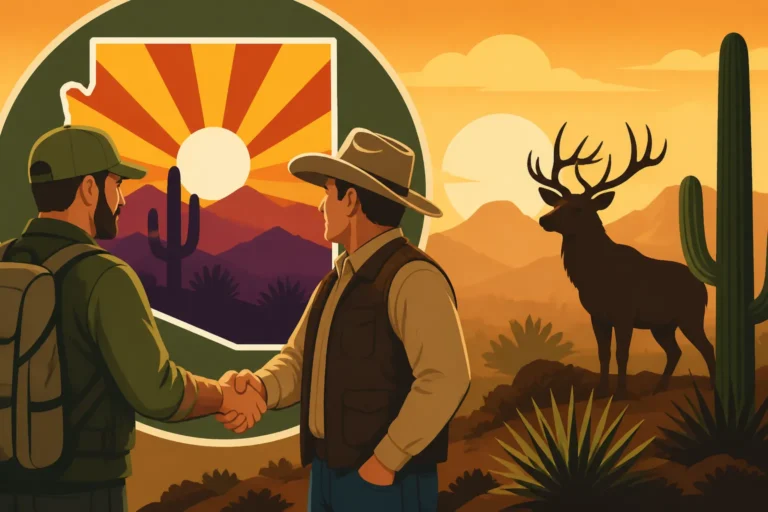
This is where the rubber meets the road, and it's often the most challenging, yet rewarding, part of securing a private land lease. It’s easy to feel intimidated when considering approaching a landowner about hunting access, especially if you don't already have a personal connection. But remember, landowners are often looking for responsible individuals who will respect their property and their operation. It's about much more than just money; it's about trust.
Cultivating a positive relationship starts with respect and professionalism. Show that you're not just looking for a place to shoot something, but that you understand the value of their land, their livelihood, and their privacy. This means clear communication from the outset, a willingness to adhere to their rules (even if they seem unusual), and demonstrating that you are a responsible land user. Offering to help with small tasks around the property, such as fence mending or keeping an eye out for trespassers, can go a long way in building goodwill and securing a long-term relationship. Many successful leases are built on years of mutual respect and a shared understanding of land stewardship.
Crafting the Agreement: What to Look For in an Arizona Hunting Lease
Once you've identified a potential property and established a rapport with the landowner, the next crucial step is formalizing the arrangement through a lease agreement. This isn't just a handshake deal; it's a legally binding contract that protects both you and the landowner. Getting the details right upfront is paramount to a successful hunting lease experience.
The Fine Print: Essential Clauses in Your Lease Contract
A hunting lease agreement should be comprehensive, leaving as little to interpretation as possible. Think of it as a detailed blueprint for your hunting season. First and foremost, clearly define the lease duration. Is it for a single season, one calendar year, or a multi-year agreement? Knowing this impacts your planning and long-term investment in the property.
Next, specify the species allowed to be hunted. Don't assume anything. If you're leasing for deer, but also hope to chase javelina or call in some coyotes, ensure those are explicitly mentioned. Are Crossbows Legal for Elk in Arizona? might be a question you'd want answered and specified within your lease, if applicable. What about hunting methods? Are bows, rifles, muzzleloaders, or even youth hunts with specific firearm requirements permitted? Ensure all potential scenarios are covered.
Crucially, the contract should outline access points and routes, especially if the property is large or has sensitive areas. Discuss guest policies: can you bring friends or family to hunt, and if so, are there limits? What about off-season access for scouting or shed hunting? Are Drones Legal for Scouting in Arizona? is a question you should specifically ask and get written into the agreement. Finally, liability is a huge one. Most landowners will require you to carry significant liability insurance, often naming them as an additional insured party. This protects both of you in case of an accident on the property.
Understanding the Investment: Pricing and Negotiation Strategies
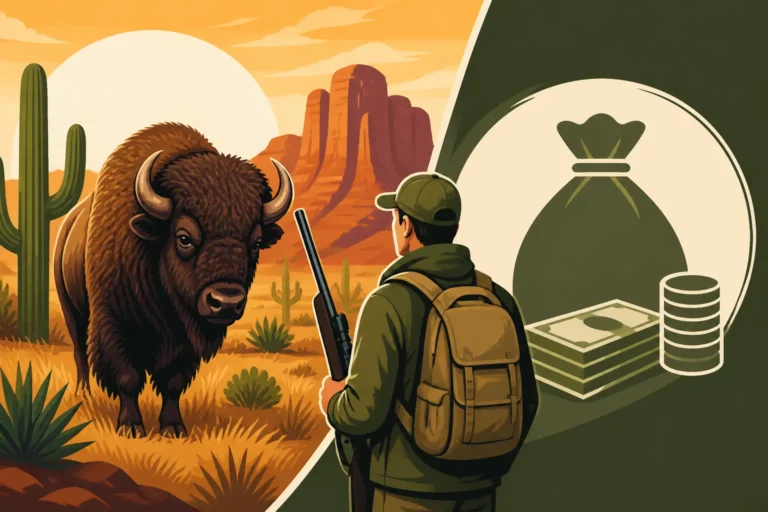
Let's be realistic: leasing private ground isn't cheap. It's an investment, and the price tag can vary wildly depending on several factors. Expect to pay anywhere from a few dollars per acre to significantly more, especially for properties known for trophy animals or exclusive access in high-demand areas. Factors like the size of the property, the quality and quantity of game animals, existing infrastructure (like a cabin or water wells), and proximity to desirable public hunting units (like those in Elk Country Along the Mogollon Rim) all play a role in determining the annual fee.
When negotiating, always do your homework. Research comparable leases in the region, if such information is available, to get a baseline. Be prepared to discuss what value you bring to the landowner beyond just the lease fee. Could you help with property maintenance, fence repairs, or monitoring the land for trespassers? Sometimes, landowners are willing to offer a discount or more favorable terms for responsible tenants who can help them manage their property. Consider a multi-party lease with trusted hunting partners to share the cost, but ensure your group application rules are clearly defined in the contract. Transparency, a respectful approach, and a clear understanding of your budget will be your best tools in this discussion.
The Upside and Downside: Weighing the Lease Decision
Like any significant investment or hunting strategy, leasing private ground comes with its own set of advantages and disadvantages. It’s crucial to weigh these carefully against your personal hunting goals, budget, and expectations before committing.
The Perks of Exclusivity: Why a Lease Can Be Worth It
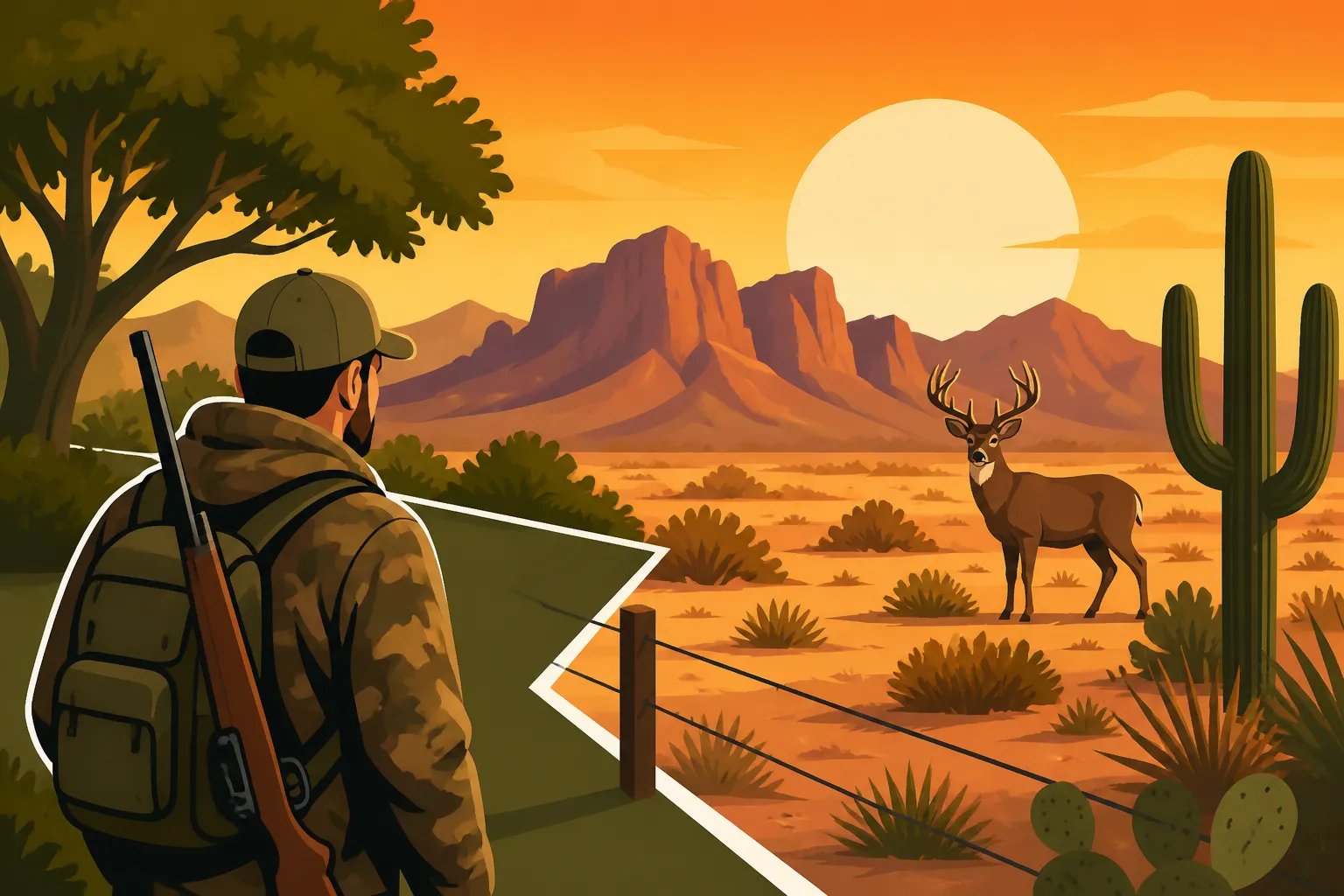
The primary allure of a private land lease is, without a doubt, exclusivity and reduced pressure. Imagine hunting an entire season without seeing another hunter, knowing that the game you're pursuing hasn't been constantly pushed and spooked by others. This alone can dramatically improve the quality of your experience and your chances of success. You get to know the land intimately, learning animal patterns, bedding areas, and travel corridors without the constant variable of outside interference.
This consistent access allows for unrestricted and year-round scouting (within your lease terms, of course). You can monitor game populations, identify specific animals, set up trail cameras Trail Camera Rules on Arizona Public Land without fear of theft, and even implement habitat improvements like enhancing water sources or planting food plots (with landowner permission). This level of control and consistency is simply unattainable on heavily trafficked public lands, where every season feels like starting from scratch. For those chasing specific trophy animals or seeking to implement a long-term management strategy, a private lease offers an unparalleled opportunity to truly develop a hunting ground.
The Challenges: What to Consider Before Committing
While the benefits are tempting, leasing private ground is not without its hurdles. The most obvious challenge is cost. As we discussed, these leases can be a significant financial commitment, especially for high-quality properties. You need to assess if the return on investment (in terms of hunting experience and potential harvest) justifies the expense. Beyond the lease fee, consider additional costs like liability insurance, fuel for frequent visits, and any supplies for potential habitat improvements. When comparing this to, say, What a Guided Arizona Elk Hunt Costs, you might find leasing is a long-term investment that requires more personal effort.
Another consideration is the responsibility and commitment required. You're entering into a relationship with a landowner, and maintaining that good relationship means being reliable, respectful, and often, actively involved in caring for the property. Unexpected changes from the landowner, such as suddenly deciding to sell or altering their farming/ranching practices, could impact your hunting access or the quality of the hunting itself, even with a solid contract in place. And, despite all the perks, private land still doesn't guarantee success. Game animals are wild; populations can fluctuate due to drought, disease (How Chronic Wasting Disease Testing Works), or natural migration. It's a significant investment that requires careful thought and a realistic understanding of potential downsides.
Securing Your Own Slice of Arizona Hunting Heaven
So, you've weighed the pros and cons and decided that leasing private ground might be the right move for you. The next question is: how do you actually find and secure one of these elusive hunting opportunities in Arizona? It's not always as simple as a "for lease" sign on the side of the road.
Beyond the Map: The Power of Local Networks
In Arizona, particularly in more rural and agricultural areas, many of the best private land leases are secured through word-of-mouth and established local networks. Landowners often prefer to lease to someone they know, or someone who comes highly recommended by a trusted neighbor, rather than a complete stranger. This makes sense from their perspective, as it adds a layer of confidence that you'll be a responsible and respectful tenant.
So, how do you tap into this network? Get involved locally. Attend community events, visit local feed stores, hardware shops, or cafes in the areas you're interested in. Talk to folks! You might be surprised by how many leads you can uncover through casual conversation. Joining local conservation chapters of organizations like the Rocky Mountain Elk Foundation (RMEF), National Wild Turkey Federation (NWTF), or Arizona Deer Association (ADA) can also be invaluable. These groups often bring together landowners, hunters, and land managers, creating opportunities for connections that extend beyond just hunting. Building these relationships takes time, but often leads to the most stable and rewarding lease arrangements.
Digital Doors: Online Platforms and Broker Services
While word-of-mouth is powerful, the digital age has also opened up new avenues for finding private land leases. Several online platforms and land brokerage services specialize in connecting landowners with hunters seeking leases. Companies like BookYourHunt often feature listings for private land hunting experiences, sometimes including lease opportunities, especially for specific species. Similarly, mapping and data providers like GoHunt offer advanced mapping tools that allow you to identify private land parcels adjacent to public ground, which can be a starting point for direct landowner outreach. These tools, while primarily focused on public land strategies like E-Scouting an Arizona Unit Before the Season, can also highlight potential private land contacts.
These services can streamline the search process by aggregating available leases, providing detailed property information, and sometimes even facilitating the initial contact and contract negotiation. When using such platforms, be prepared to provide information about your hunting experience, references, and what you're looking for in a lease. While they offer convenience, remember that these platforms often involve additional fees or commissions, which will be factored into the overall cost of the lease. They can be a great starting point for those who don't have existing local connections.
Making the Impression: Approaching Landowners with Purpose
Once you've identified a potential property or received a lead, your initial approach to the landowner is critical. Don't just show up unannounced. A respectful, well-thought-out approach makes a huge difference. Start with a polite letter or phone call, introducing yourself and briefly explaining your interest in a hunting lease. Emphasize your commitment to ethical hunting practices and land stewardship.
When you do meet, be prepared. Consider bringing a "hunter's resume" or a brief portfolio outlining your experience, hunting philosophy, and references. Be ready to discuss your plans for the property, including what species you're interested in, your proposed hunting methods, and any ideas you might have for habitat enhancement (if appropriate). Hunting Over a Stock Tank Legally is one example of a local Arizona practice you might want to discuss. Ask thoughtful questions about their expectations for the property, their concerns, and their current land use. Acknowledge that they are entrusting you with a valuable asset. Be patient, professional, and persistent, even if you face initial rejections. The right lease often comes to those who are diligent and respectful in their pursuit.
Comparison: Private Lease vs. Public Land DIY
To help clarify the core differences, here's a quick comparison of the private land leasing approach versus the traditional do-it-yourself (DIY) public land hunt in Arizona:
| Feature | Private Land Lease | Public Land Hunting (DIY) |
|---|---|---|
| Access & Pressure | Exclusive, low hunter density, private roads often | Open to all, often high pressure, limited road access |
| Cost | Significant annual expense, variable | License/tag fees only, travel costs, potentially cheaper |
| Consistency of Opportunity | High, consistent year after year (if renewed) | Variable, depends on draw odds, unit performance, and luck |
| Game Management | Potential to influence habitat, food plots, water | Little to no personal influence, managed by state |
| Scouting | Unrestricted, year-round access (as per lease) | Restricted by public land rules, seasonal closures |
| Flexibility | Highly customizable agreement with landowner | Governed strictly by state regulations, no negotiation |
| Liability | Requires specific insurance clauses and waivers | Generally assumed by individual hunter |
| Local Knowledge | Built through landowner relationship | Acquired through personal scouting and research |
| Ethical Considerations | Crucial to maintain landowner trust | Adherence to state regulations and fair chase |
Disclaimer
This article is for general informational purposes only and does not constitute professional advice. Laws, prices and regulations vary by location and change over time. Consult a qualified professional for guidance on your specific situation.