Cost Expectations for an Arizona Desert Bighorn Hunt
Hunting desert bighorn sheep in Arizona is often a dream hunt for many, conjuring images of rugged mountains and a truly wild experience. But as soon as that dream starts to take shape, the question of cost quickly looms large, and it can feel like navigating a maze of hidden fees and uncertain expenses. This guide aims to pull back the curtain on the financial realities of pursuing an Arizona desert bighorn, giving you a clear picture of what to expect, from application fees to guide services and beyond.
Understanding the Landscape of Arizona Bighorn Costs
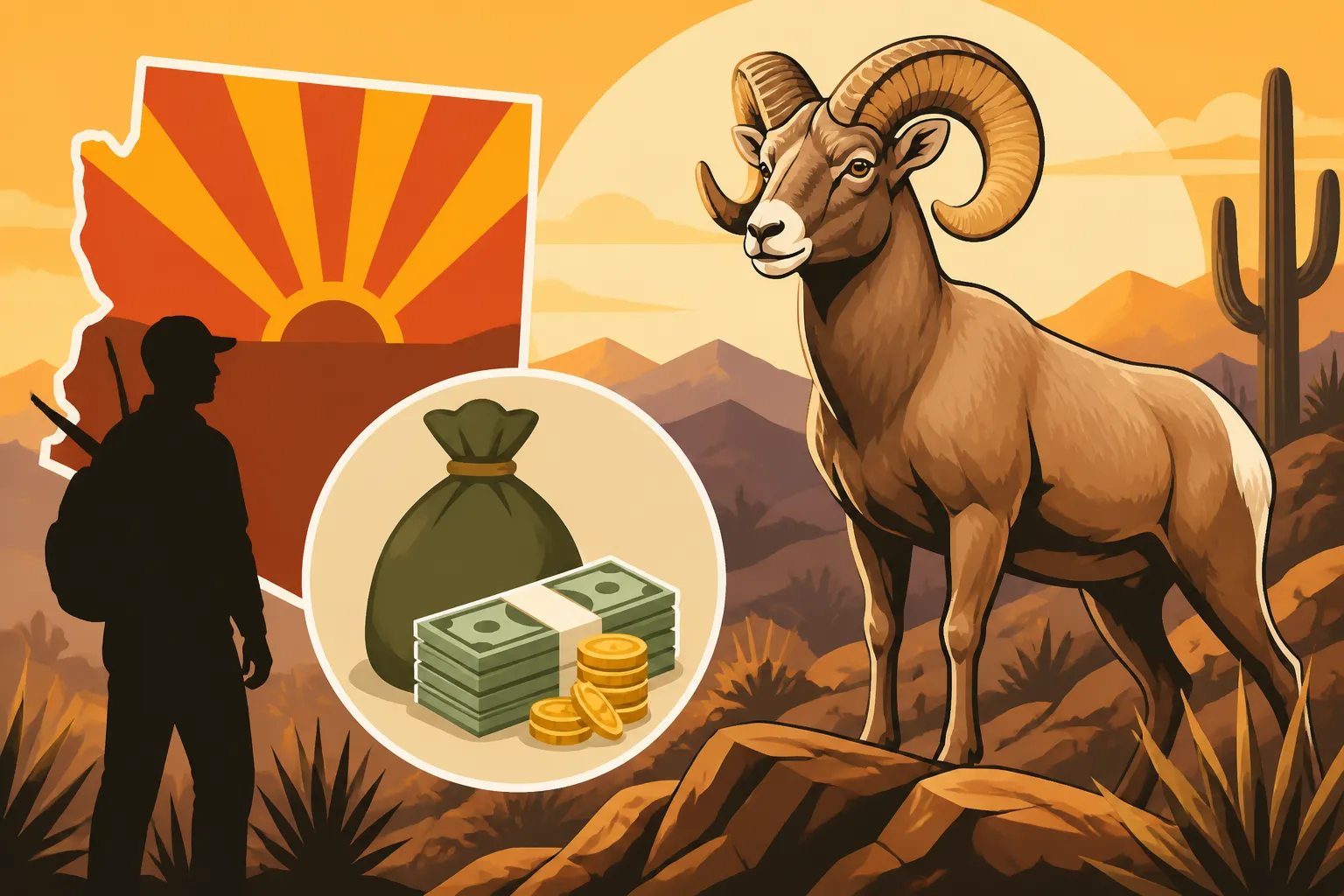
Drawing an Arizona desert bighorn sheep tag is akin to winning the lottery for many hunters. These tags are incredibly rare and highly coveted, making the financial commitment, when it finally comes, a significant one. It's not just about the final tag price; it's a cumulative investment that begins long before you ever set foot in sheep country. Understanding the various layers of cost is crucial for anyone hoping to chase these magnificent animals.
The Draw and Application Fees: The First Hurdle
Before you can even think about the hunt itself, you have to get through the Arizona draw. The application process carries its own set of fees, and while these might seem minor compared to the total cost of a bighorn hunt, they add up over years of applying. There's a non-refundable application fee per species, and then the cost of the tag itself, which is held on your card but only charged if you're successful in the draw. For nonresidents, these fees are typically higher than for residents, adding another layer of consideration to an already challenging draw. Many hunters apply for decades, year after year, hoping to build up enough bonus points to improve their chances. This means consistently paying these smaller fees for a very long time, essentially a long-term savings plan for a hunt that may or may not materialize in your lifetime. Sites like GoHunt often provide detailed draw odds and application strategies that can help you navigate this complex system, but they can't make the fees disappear. Arizona Caps Nonresidents at Ten Percent of Every Hunt adds to the difficulty, as only a small fraction of these already rare tags go to out-of-state hunters.
License and Tag Structure: What You Pay When You Draw
If the hunting gods smile upon you and you draw an Arizona desert bighorn tag, congratulations are certainly in order! However, that's when the true financial commitment for the tag begins. Beyond the application fees, you’ll need a valid Arizona hunting license, which is a separate purchase and usually required before or during the application process. The bighorn tag itself is one of the most expensive big game tags in Arizona. The cost reflects the rarity of the opportunity and the incredible conservation efforts that go into managing these herds. It's a significant sum, often representing a substantial portion of the overall hunt expense. It’s important to remember that this fee covers the privilege of hunting the animal, but it doesn't include any of the services or equipment you'll need for the actual hunt. For those curious about the animals themselves, understanding Arizona Holds Desert and Rocky Mountain Bighorns can provide valuable context on what makes these species so unique and cherished.
The Investment in a Guided Desert Bighorn Hunt
While hunting desert bighorn sheep in Arizona can technically be done self-guided, the vast majority of successful hunters enlist the services of a professional outfitter. This isn't just about convenience; it's often about increasing your odds of success in extremely challenging terrain for an animal that is notoriously difficult to locate and pursue. The investment in a guide is typically the largest single expenditure you'll face after securing the tag itself.
The Role of a Professional Outfitter: Why Guides Are Common
Arizona desert bighorn habitat is rugged, remote, and unforgiving. Think steep, rocky mountains, vast desert expanses, and often scorching temperatures. A seasoned outfitter brings invaluable local knowledge, years of experience tracking sheep, and the specialized equipment needed for such a demanding hunt. They know the units, the typical travel corridors, the water sources, and where sheep might be holding, giving you a distinct advantage. Furthermore, they often possess the physical stamina and navigational skills necessary to operate effectively in such extreme environments. For a once-in-a-lifetime tag like a desert bighorn, many hunters view a guide as a necessary investment to maximize their chances of success and ensure a safe and ethical hunt. This contrasts with a self-guided experience, where you're entirely responsible for all scouting, logistics, and field operations. Do Nonresidents Need a Guide in Arizona? often comes up in these discussions, and while not strictly legally required, it's highly recommended for bighorns.
What a Guided Package Typically Covers: Services and Exclusions
A guided desert bighorn hunt package can vary widely in what it includes, but generally, you can expect comprehensive support from start to finish. This often encompasses pre-scouting by the outfitter to locate sheep, experienced guides (sometimes a 2-on-1 or 1-on-1 ratio, with 1-on-1 being more costly but offering more dedicated attention), food, lodging (which might range from a comfortable camp to spike camps deep in the backcountry), transportation within the hunting area, and often assistance with game retrieval and field care of your trophy.
However, it's crucial to understand what's not typically included. Your hunting license and bighorn tag are almost always separate costs. Travel to and from Arizona, meat processing, taxidermy, gratuities for your guides, and specialized personal gear like optics, rifles, or extreme weather clothing are usually additional expenses. What an Outfitter Prices Almost Never Include gives a great breakdown of these potential hidden costs. When considering an outfitter, it's vital to get a detailed list of inclusions and exclusions in writing. Platforms like BookYourHunt can sometimes help compare different outfitter packages, but direct communication is key.
Factors Influencing Guide Fees: Terrain, Duration, and Reputation
The cost of a guided desert bighorn hunt is influenced by several key factors. The sheer difficulty of the terrain and the physical demands of sheep hunting often drive prices up; this isn't a leisurely hunt. The duration of the hunt also plays a role, with longer hunts naturally incurring higher costs for guides, food, and logistics. A typical bighorn hunt might be anywhere from 7 to 14 days, though some may extend longer if needed to locate and harvest an animal.
Furthermore, an outfitter's reputation and success rate heavily impact their pricing. Highly successful and well-regarded outfitters who consistently put clients on trophy rams will command premium fees. Their investment in top-tier equipment, experienced staff, and extensive scouting efforts contributes to this. Some outfitters might offer different tiers of service, from a basic spike camp experience to a more luxurious base camp with all the amenities. For context, The Investment in a Guided Arizona Elk Hunt can give you an idea of how guide fees scale for other challenging big game animals in the state. Don't hesitate to ask Questions Worth Asking Before You Book to ensure you understand their pricing model thoroughly.
Beyond the Guide: Ancillary Expenses to Budget For
While the tag and guide fees form the backbone of a desert bighorn hunt's cost, many other essential expenses contribute to the overall budget. Neglecting these ancillary costs can lead to unpleasant surprises down the road, so it's wise to consider every potential outlay when planning for such a significant endeavor.
Travel and Accommodation: Getting There and Staying
Arizona is a large state, and desert bighorn habitat is often in its most remote corners. Your travel costs will depend on your starting location and how you choose to get there. For many, this means flying into a major airport like Phoenix or Tucson, then renting a truck capable of handling rough desert roads. Fuel costs for driving to and from the hunting unit, especially if the outfitter rendezvous point is far from the airport, can be significant. If you plan to arrive a few days early for acclimatization or depart a few days late to handle logistics, you'll need to budget for hotel stays outside of your guided camp. Some hunters might even opt to bring their own travel trailer or RV, which saves on hotel costs but incurs other expenses like camping fees (if applicable) and increased fuel consumption.
Gear and Equipment: Specialized Needs for Sheep Hunting
Desert bighorn hunting is a gear-intensive pursuit. You'll need reliable, high-quality equipment that can withstand the punishing environment and demanding physical activity. This includes specialized optics for glassing vast landscapes, such as powerful spotting scopes and binoculars, which can be a substantial investment. A rifle capable of accurate long-range shooting, along with appropriate ammunition, is essential. Clothing systems designed for extreme temperature swings, from freezing desert nights to scorching midday sun, are also critical. Rugged hiking boots, a high-quality backpack for carrying heavy loads (including water and potentially meat), and satellite communication devices for safety in remote areas are all vital. Many hunters already own much of this gear, but if you need to purchase new items or upgrade existing ones, the costs can add up quickly. Considering the physical demands, reviewing resources like Physical Conditioning for a Sky Island Hunt and Preparing Physically for a Desert Hunt can also highlight the need for gear that supports intense activity.
Meat Processing and Taxidermy: Post-Harvest Considerations
After the exhilaration of a successful harvest comes the practical matter of caring for your animal. If you're fortunate enough to take a bighorn, you'll need to account for meat processing and potentially taxidermy. Meat processing involves breaking down the animal, packaging it, and often freezing it for transport. This service can vary in cost depending on the processor and the cuts you choose. For a trophy animal like a bighorn, most hunters will want to have a full shoulder mount or European mount done by a reputable taxidermist. Taxidermy is a significant expense and requires careful planning, as quality work can be expensive and often has a long lead time. You'll also need to consider the logistics and cost of transporting your meat and trophy back home, which might involve specialized shipping coolers, airline cargo fees, or a dedicated drive.
Here's a simplified breakdown of typical cost categories for an Arizona desert bighorn hunt:
| Cost Category | Description | Typical Status |
|---|---|---|
| Application Fees | Non-refundable fees to enter the draw for the tag. | Required |
| Hunting License | Annual state hunting license. | Required |
| Bighorn Tag Fee | The actual cost of the bighorn tag if successfully drawn. | Required (upon draw) |
| Outfitter/Guide Fee | Professional guiding services for the hunt. | Highly Recommended |
| Travel | Flights, vehicle rental, fuel, ground transportation. | Variable |
| Accommodation | Hotels before/after hunt, outside of guided camp. | Variable |
| Personal Gear | Optics, rifle, ammunition, clothing, boots, backpack, satellite device. | Variable |
| Meat Processing | Butchering, packaging, and freezing harvested meat. | Post-Harvest |
| Taxidermy | Mounting of trophy, if desired. | Post-Harvest |
| Gratuities | Tips for guides and camp staff. | Post-Harvest |
| Shipping | Transporting meat and/or trophy home. | Post-Harvest |
This table helps illustrate the many facets of expense involved in this truly exceptional hunting opportunity. Planning for each of these categories will help ensure you're financially prepared for the experience of a lifetime. The sheer difficulty of drawing a tag, as detailed in Arizona Desert Bighorn Draw Odds, further emphasizes why every dollar spent on this hunt is a considered investment.
Disclaimer
This article is for general informational purposes only and does not constitute professional advice. Laws, prices and regulations vary by location and change over time. Consult a qualified professional for guidance on your specific situation.