How Spike Camp Arrangements Work
For many hunters dreaming of an Arizona adventure, the thought of a "deep dive" into the backcountry, far from paved roads and even further from cell service, is the ultimate goal. But getting truly remote often means sacrificing the comforts of a traditional base camp. That's where spike camp arrangements come into play, offering a rugged, immersive experience that puts you right in the heart of the action, but comes with its own set of unique expectations and demands. This guide will walk you through exactly how spike camp arrangements work, what to expect, and if this style of hunting is the right fit for your next Arizona pursuit.
What Exactly Is a Spike Camp?
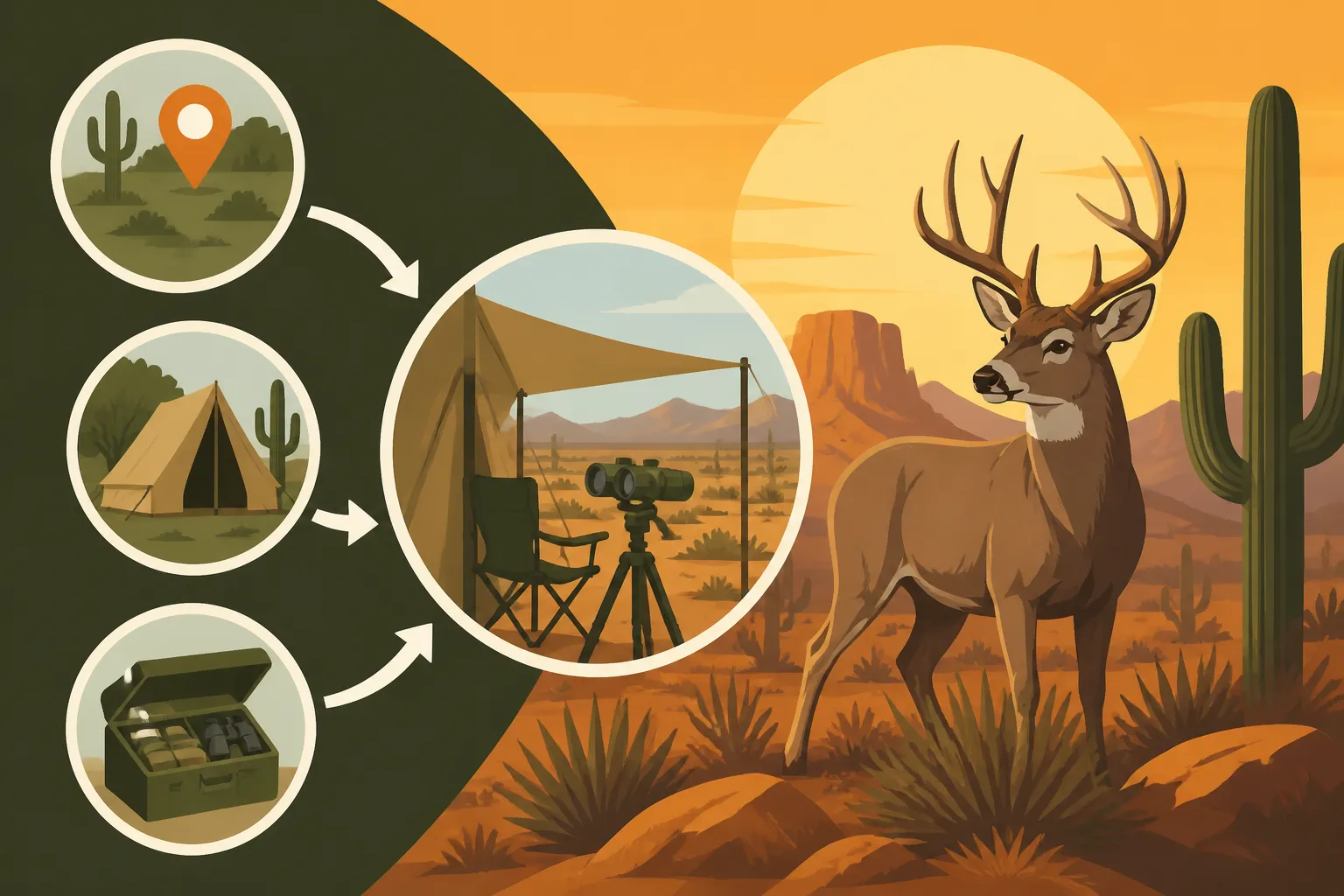
When you hear the term "spike camp," don't picture glamping or even a well-appointed wall tent with a stove. Instead, imagine something far more basic, far more temporary, and incredibly efficient. A spike camp is essentially a lightweight, mobile outpost established by your outfitter and guide, often several miles from the main base camp, to put you closer to the game. It's about minimizing travel time to and from your hunting grounds and maximizing your time actually spent hunting.
The Philosophy of Light and Lean
The core philosophy behind a spike camp is a commitment to being light and lean. It's about bringing only the absolute essentials needed for survival and effective hunting for a few days, typically two to five, sometimes longer depending on the outfitter and the terrain. Think small, usually two-person tents, minimal cooking gear, and just enough food and water to sustain the hunting party. This isn't a place for sprawling setups or a full camp kitchen. Every item packed into a spike camp serves a direct, practical purpose. The idea is to shed weight and bulk so that the camp can be established in truly remote, often difficult-to-access locations that might hold unpressured animals. It's a strategic move to gain an edge, cutting out the long, noisy commutes from a distant base camp and allowing hunters to be in the best habitat before dawn and stay until well after dusk. It demands a certain resilience from the hunter, a willingness to forgo typical comforts for the sake of the hunt itself.
Essential Gear for a Functional Spike Camp
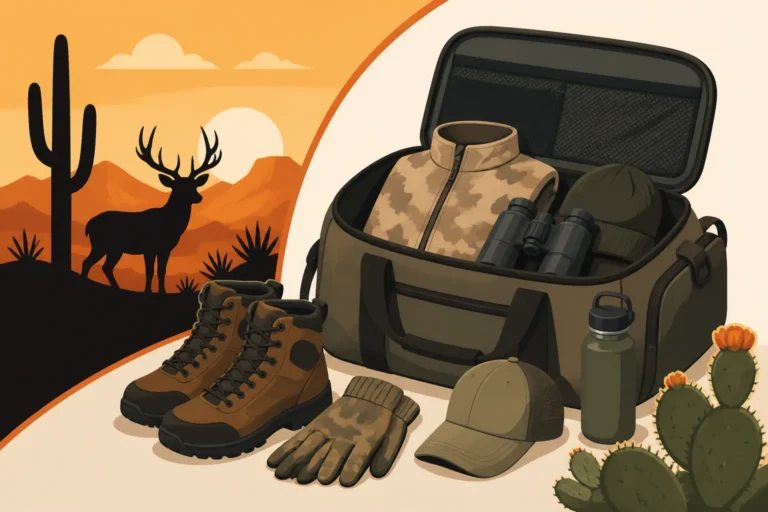
What goes into a spike camp is a carefully curated collection of gear designed for function over luxury. For sleeping, hunters will typically find lightweight, three-season tents, sleeping pads, and warm sleeping bags appropriate for Arizona's often surprisingly cold desert nights or high-country temperatures. Cooking gear is usually minimal: a small backpacking stove, a pot or two, and basic utensils. Food consists of dehydrated meals, instant coffee, protein bars, and other high-calorie, low-weight options. Water is a critical component; rather than hauling it all in, outfitters often rely on natural water sources, utilizing advanced filtration systems to ensure potability. A robust first-aid kit is non-negotiable, as is reliable navigation equipment. While much of the communal gear (like tents and stoves) might be provided by the outfitter, hunters are usually responsible for their personal sleeping system, clothing, and day packs. The emphasis is always on efficiency and weight savings, as every ounce makes a difference when packing in and out. If you're pondering what personal items to bring, your outfitter will provide a detailed list, often emphasizing layering options for Arizona's dramatic temperature swings, from scorching midday sun to freezing predawn hours. Heat Management on an Arizona Early Season Hunt is a real concern.
Logistics of Setting Up and Operating a Spike Camp
The magic of a spike camp isn't just in its minimalist nature, but in the meticulous planning and execution required to establish and sustain it in the backcountry. It's a dance between human effort, tactical placement, and resource management.
Transportation to the Remote Location
Getting to a spike camp can be an adventure in itself, and the mode of transport often dictates how remote and unpressured your hunting grounds truly are. In many areas of Arizona, especially in rough, roadless terrain, spike camps are accessed via horseback. Picture a string of pack animals loaded down with tents, food, and gear, slowly making their way along faint game trails, deeper and deeper into the wilderness. This method allows access to areas miles from the nearest vehicle access point, offering a truly wild hunting experience. For some less rugged, but still remote units, especially in the vast stretches of Arizona's State Trust Land or BLM ground, ATVs or UTVs might be used to get close, with the final mile or two requiring a hike. Occasionally, for units with very difficult access, outfitters might even utilize modified vehicles to navigate primitive tracks.
Regardless of the method, the outfitter is responsible for coordinating and executing this logistical feat. They will know the terrain, the best routes, and how to safely transport both hunters and gear. The chosen location for the spike camp is rarely arbitrary; it's the result of extensive preseason scouting, often using tools like GoHunt for mapping, to identify prime game habitat, accessible water sources, and strategic vantage points that allow for effective hunting with minimal daily travel. Scouting an Arizona Unit Before the February Deadline is crucial for these remote setups.
Daily Life and Routine in a Spike Camp
Life in a spike camp is defined by the rhythm of the hunt. There are no leisurely mornings or late starts. Typically, the day begins long before dawn, often with the sound of a guide quietly stirring the small stove for instant coffee and a quick, high-energy breakfast. The goal is to be out of the tent and hiking towards a glassing knob or a known travel corridor well before legal shooting light.
The days are long and demanding. Hunters and guides will spend hours, often all day, glassing, stalking, and tracking. Lunch is usually a packed affair – sandwiches, wraps, or snacks carried in a daypack – eaten quickly in the field. Hydration is key, and water bottles are constantly refilled from purification systems or carried from cached supplies. There's no returning to a warm lodge for a midday break; you're immersed in the environment.
Evenings bring a return to the sparse comforts of camp, often well after dark. Dinner is typically a rehydrated meal, hot and filling but far from gourmet. This time is used for quick discussions about the day's events, strategizing for tomorrow, and perhaps a quick check of gear. There are no screens, no distractions, just the sounds of the wilderness and the company of your hunting partners. It's an opportunity to truly disconnect and focus on the primary objective. This is very different from Camping on Forest Ground During Hunting Season in a vehicle accessible site.
Benefits and Drawbacks for Hunters
Deciding on a spike camp arrangement isn't just about finding an outfitter; it's about understanding the unique experience it offers. Like any intense backcountry endeavor, it comes with a distinct set of advantages and challenges that can make or break a hunt for an individual.
The Advantages of Hunting from a Spike Camp
The primary allure of a spike camp is its ability to place you directly in the heart of prime hunting country, often deep within the wilderness where game is less pressured. This proximity to game offers several significant benefits:
- Maximized Hunting Time: With a spike camp, you're not spending valuable morning and evening hours traveling long distances from a main base. You can be glassing before first light and still-hunting until the last legal minute, greatly increasing your chances of encountering animals during their most active periods. This is especially critical for elusive species like Coues deer, where every minute of glassing matters. Best Time of Day to Glass a Sky Island becomes much easier when you're already there.
- Access to Remote, Unpressured Areas: Many of Arizona's trophy units, especially for elk or mule deer, have vast tracts of roadless wilderness or terrain too rugged for easy access. Spike camps allow outfitters to penetrate these areas, putting hunters in places where animals may be less wary of human presence. This is often where bigger, older animals seek refuge.
- An Immersive Backcountry Experience: For many, the true appeal of hunting isn't just the harvest, but the experience of being fully immersed in nature. A spike camp delivers this in spades. You’re truly living in the backcountry, with minimal distractions, fully connected to the wild rhythm of the land. It’s an unforgettable adventure that goes beyond just the pursuit of an animal.
- Tactical Flexibility: Being closer to the action means guides can react more quickly to changes in game movement, weather, or other factors. If a herd of elk moves into a new drainage, a spike camp allows for more agile response than having to trek miles from a distant base. This flexibility can be the difference between success and going home empty-handed.
Challenges and Considerations
While the benefits are compelling, spike camps aren't for everyone. They demand a specific mindset and a good level of physical preparedness. Understanding the drawbacks is just as important as appreciating the advantages:
- Physical Demands: This is perhaps the biggest consideration. Getting to and from a spike camp, and then hunting from it for multiple days, often involves significant hiking over rugged terrain, sometimes with elevation changes. Even if horses pack in the gear, you'll still be walking miles each day. Good physical fitness is paramount. Preparing Physically for a Desert Hunt is non-negotiable for these trips.
- Lack of Amenities and Comforts: Say goodbye to hot showers, flush toilets, comfortable beds, and gourmet meals. Spike camps offer basic shelter, rudimentary cooking, and sleeping on a pad. You'll be living in dirt, enduring potentially cold nights and hot days, and often dealing with limited space. This spartan lifestyle requires mental fortitude and a willingness to embrace simplicity.
- Increased Exposure to the Elements: With less substantial shelter and more time spent outdoors, you are more vulnerable to the vagaries of Arizona's weather. Unexpected snow, heavy rains, or extreme winds can make a spike camp experience very challenging. While outfitters take precautions, you need to be prepared for discomfort.
- Limited Gear and Supplies: Every item in a spike camp is there by necessity. There's no room for "just in case" items or luxury gear. Hunters must be disciplined in their packing, and comfortable living with only the essentials. This can be a significant adjustment for those used to overpacking.
- Mental Toughness: Beyond the physical, the mental aspect of a spike camp is crucial. The isolation, the lack of creature comforts, and the intensity of the hunt can be mentally taxing. A positive attitude and resilience are key to enjoying the experience. If you prefer a hunt where you return to a warm cabin each night, a spike camp might not be the best fit.
| Feature | Traditional Base Camp | Spike Camp |
|---|---|---|
| Location | Accessible by vehicle, often near roads. | Remote, deep in backcountry, often roadless. |
| Comforts | Larger tents, cots, cooking facilities, potential shower. | Small, lightweight tents, sleeping pads, minimalist cooking. |
| Travel to Hunt | Requires daily travel (drive/hike) to hunting areas. | Minimal travel; camp is in or very near hunting areas. |
| Gear/Supplies | More latitude for personal gear and varied food options. | Strict emphasis on lightweight, essential gear. |
| Physical Demand | Moderate to High (depending on daily hunts). | High (packing in/out, strenuous hunting days). |
| Immersion | Good hunting experience, but often returns to "civilization." | Deep wilderness immersion; constant exposure to environment. |
| Cost (Outfitter) | Varies, but sometimes slightly less than spike camp add-on. | Often included in a premium guided package. |
How Outfitters Manage Spike Camp Hunts
Engaging in a spike camp hunt with an outfitter means you're not alone in navigating the unique challenges of this backcountry experience. A reputable outfitter is crucial, as they handle the intricate logistics and provide essential support that makes these hunts possible and safe.
The Outfitter's Responsibility and Support
When you book a spike camp hunt, you're largely relying on your outfitter to manage the heavy lifting and critical details that would be overwhelming for a DIY hunter in such remote settings. Their responsibilities extend far beyond simply finding game:
- Camp Setup and Breakdown: The outfitter and their guides are typically responsible for transporting all the communal gear, setting up the tents, and establishing the functional aspects of the spike camp. This includes fetching water, preparing a cooking area, and ensuring the camp is secure. When the hunt is over, they handle the breakdown and packing out, leaving no trace. This can be an arduous process, especially when dealing with Packing an Elk Out of Rim Country Alone after a successful hunt.
- Food and Water Provision: While you might carry your personal snacks, the outfitter provides the bulk of the food – usually calorie-dense, lightweight, and easy-to-prepare meals suitable for backcountry living. They also manage water sources, often using advanced filtration systems or caching water supplies if natural sources are scarce or unreliable, which can be a real issue in Arizona’s desert units.
- Safety and Emergency Protocols: Hunting in remote wilderness carries inherent risks. A professional outfitter will have clear safety protocols, including communication plans (satellite phones or in-reach devices), robust first-aid supplies, and an emergency evacuation strategy. They are trained to handle unexpected situations, from minor injuries to severe weather events.
- Guiding from Camp: The beauty of a spike camp is the immediate access to hunting grounds. Your guide will literally be stepping out of camp with you before dawn, leading you directly to glassing points or tracking fresh sign. This maximizes hunting time and allows for intimate knowledge of the immediate area. This is a significant advantage when pursuing animals that require extensive glassing, like Coues deer. Glassing Arizona's Sky Islands for Coues Deer is made much more efficient from a spike camp.
What to Expect from a Spike Camp Arrangement
To ensure a successful and enjoyable spike camp hunt, clear communication and realistic expectations are paramount from the outset:
- Clear Communication on Expectations: A good outfitter will thoroughly brief you on what to expect. This includes the physical demands, the type of terrain you'll encounter, the daily routine, and the level of comfort (or lack thereof). They'll want to ensure you're physically prepared and understand the rugged nature of the trip. Don't be shy about asking specific questions regarding what a Drop Camp Actually Includes versus a spike camp.
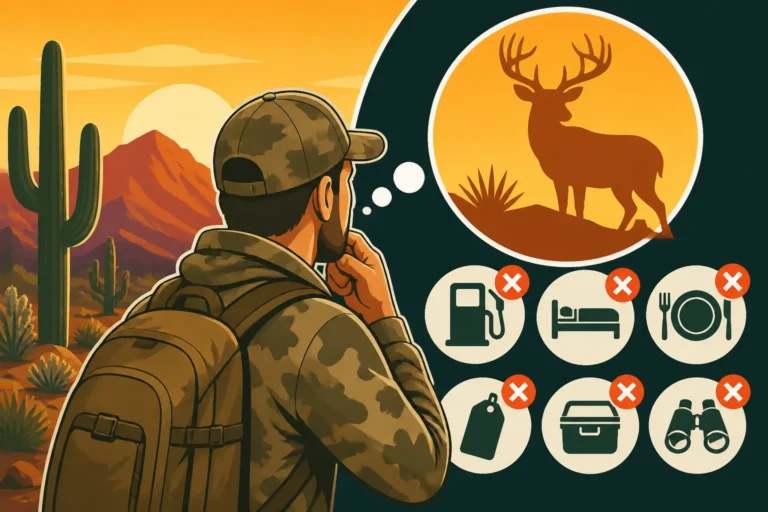
- Inclusions and Exclusions: Before booking, clarify exactly what the outfitter provides and what you are expected to bring. This covers everything from tents and cooking gear to food, water, and personal safety equipment. Most outfitters will provide a detailed gear list. Remember, tag fees and licenses are almost always separate from the outfitter's package price.
- Costs: Spike camp hunts are typically part of a comprehensive guided package and often represent a premium experience due to the increased logistical effort and specialized gear involved. While prices vary wildly based on species, duration, and outfitter reputation, understand that you are paying for expertise, access, and the support necessary for a successful remote hunt. You'll want to understand the typical Average Cost of a Guided Arizona Elk Hunt or What a Guided Arizona Coues Deer Hunt Costs before committing.
- Researching Outfitters: Finding the right outfitter is critical. Platforms like BookYourHunt or GoHunt can be great starting points to research outfitters who offer spike camp options in Arizona. Look for detailed reviews, talk to references, and ensure the outfitter is licensed and has a strong track record of safety and client satisfaction in backcountry settings. Don't hesitate to ask specific questions about their experience with spike camps and their emergency preparedness. Vetting an Arizona Outfitter Before You Send a Deposit is a vital step.
Disclaimer
This article is for general informational purposes only and does not constitute professional advice. Laws, prices and regulations vary by location and change over time. Consult a qualified professional for guidance on your specific situation.