Shipping Capes and Antlers Home
You've just put in the hard work, navigated the challenging Arizona terrain, and finally, your tag is filled. That rush of adrenaline, the sense of accomplishment – it's an incredible feeling. But then, almost immediately, the practical questions start to surface: "How on earth do I get this incredible trophy back home with me?" The logistics of shipping capes and antlers can quickly turn triumph into a headache, especially if you're an out-of-state hunter. This guide is here to unravel those complexities, walking you through the essential steps and regulations to ensure your prized Arizona trophy makes it safely from the field to your wall.
Understanding Arizona's Basic Carcass Transport Rules
Before you even think about packing a box, it's crucial to understand the foundational rules Arizona has in place for handling harvested game. These aren't just bureaucratic hurdles; they're in place for wildlife management and to prevent the spread of diseases. Failing to adhere to them can lead to serious legal issues, so this is where diligence really pays off. The excitement of a successful hunt can sometimes overshadow these details, but taking a moment to review them is critical for any responsible hunter.
Initial Field Prep for Capes and Skulls
The very first step in ensuring your cape and antlers can be shipped home successfully begins right where the animal falls. Proper field dressing and initial trophy care are paramount, especially in Arizona's often warm climate. For a shoulder mount, you'll need to know how to execute a proper cape cut, ensuring enough hide is left for the taxidermist to work with. This usually involves cutting well behind the front shoulders, giving ample slack around the brisket and leg pits. The skull itself needs to be separated from the spine, typically at the atlas joint. This initial breakdown not only makes the animal easier to pack out but also sets the stage for long-term preservation. You wouldn't want to compromise your trophy before it even leaves the desert floor, would you? Ignoring these steps can lead to hair slippage or other damage that a taxidermist might not be able to fix.
Evidence of Sex and Tagging Requirements
Arizona has strict rules about keeping evidence of sex attached to your harvested animal until it reaches your home or a meat processor/taxidermist. This is particularly important for species where only specific sexes or ages are legal to harvest. For example, if you've harvested a buck deer, the head or a portion of it must remain with the carcass. This allows game wardens to verify that you've legally taken an animal that matches your tag. Make sure your hunt permit tag is immediately and properly affixed to the animal as well, as mandated by state law. Losing or failing to attach this tag is a major violation. Before you start quartering or breaking down your animal for transport, double-check these requirements in the Reading the Arizona Hunt Regulations Booklet to avoid any issues down the line. It's a small detail that makes a huge difference in the legality of your transport. Remember that the "trophy" portion of your animal, whether it's the cape or antlers, still falls under these rules until it's officially processed or in transit according to regulations. Always refer to current regulations for specific guidelines on Evidence of Sex Requirements on a Carcass.
Preparing Your Trophy for Shipping
Once the initial field work is done and you've got your trophy back to camp or town, the real preservation for shipping begins. This is where you transition from basic field dressing to ensuring the trophy is stable enough for its journey, which could take days or even weeks. The goal is to prevent spoilage, insect damage, and drying out in a way that makes the taxidermist's job harder or, worse, impossible.
Cape Preparation and Preservation Methods
The hide, or cape, is arguably the most vulnerable part of your trophy during transport. Improper care here can lead to dreaded hair slippage, where the hair literally falls out of the hide, ruining it for a mount. The most common and effective method for preserving a cape is salting. After skinning, all meat and fat must be meticulously scraped off the hide. This is hard work, but essential. Once cleaned, liberally rub non-iodized salt into every inch of the flesh side of the hide. Fold it up, flesh side to flesh side, and let it drain for 24 hours. Then, shake off the old salt, apply fresh salt, and repeat the process. This draws out moisture and prevents bacterial growth. Some hunters opt for a professional expediter or taxidermist to handle this step, especially if they are far from home or the weather is particularly warm, as highlighted by the importance of Getting Meat Cooled on an Early Season Hunt. A properly salted hide can be air-dried and then shipped in a breathable bag or box. For short distances or cooler weather, a frozen cape might suffice, but for any significant travel, salting is the safest bet.
Antler and Skull Plate Handling
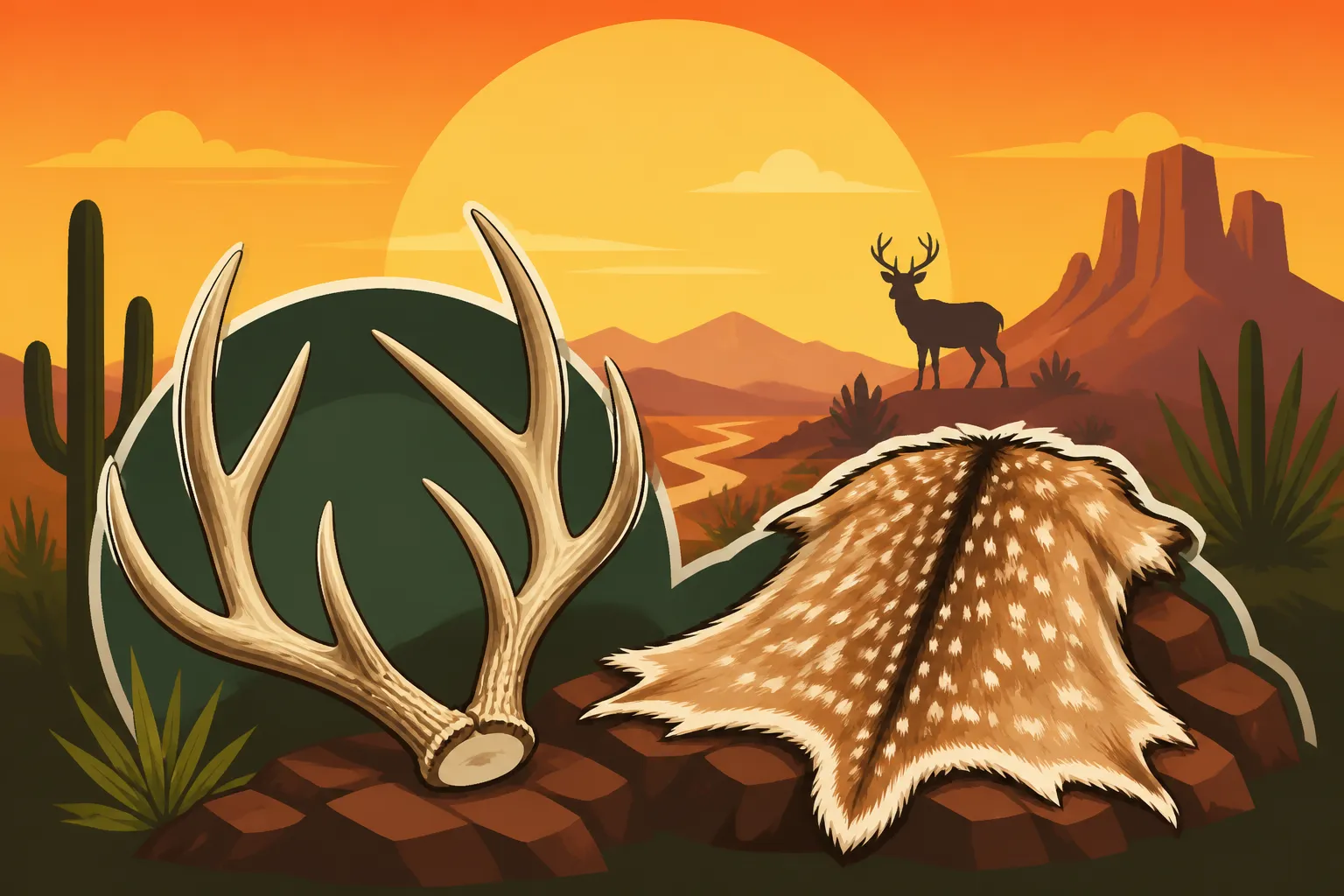
Antlers are generally more robust than capes, but they still require proper handling to ensure they arrive in perfect condition. For a skull plate mount (where just the skull cap with the antlers attached is used), you'll need to remove all brain matter, flesh, and tissue from the skull plate. This can be done by boiling or simmering the skull plate, being careful not to let the antlers soak in the water as this can damage the color and texture. Once clean, let the skull plate dry completely. Some hunters might bleach the skull plate for a cleaner look, but often this is best left to the taxidermist. For full skull mounts, the entire skull will need to be meticulously cleaned. You can find guides online or consult a local taxidermist for the most thorough methods. Packing antlers requires protecting the points from breaking. Wrap them securely in bubble wrap or blankets, ensuring they don't shift around in their container. If you have a rack with a wide spread, you might need to build a custom crate to ensure they travel without damage.
Dealing with European Mounts and Skulls
Many hunters prefer a European mount, where the skull is cleaned and bleached, leaving the natural bone and antlers. If you plan to ship a completed European mount, the cleaning process is already done. The challenge here is purely protective packaging. The delicate nasal bones and other fine structures of the skull are fragile. They need to be packed with extreme care, using plenty of padding like crumpled newspaper, bubble wrap, or foam peanuts to prevent any movement or impact damage during transit. For a full skull that isn't yet a European mount, the priority is to get it to a state where it won't rot or attract pests during shipping. This means thoroughly cleaning off all flesh and brain matter. Maceration (leaving it in water to let bacteria clean the bone) or dermestid beetle cleaning are common methods for skull cleaning, but these are typically done by a taxidermist or specialized service. If shipping a "green" skull, ensure it's been properly defleshed and either frozen solid or kept cool and dry to prevent spoilage and odor, which could be an issue for carriers. Sometimes, even after a successful hunt, hunters might consider if they need to pursue The Meat Salvage Requirements for Big Game separately from the trophy, as handling both can be a significant undertaking.
Choosing a Shipping Method and Service
This is often where the real logistical challenges come into play. You’ve got your trophy prepped, but now how do you get it across state lines or even internationally? There are several routes you can take, each with its own advantages, costs, and rules. It's not a one-size-fits-all solution, and your choice will likely depend on the size of your trophy, your budget, and how quickly you need it home.
Working with a Taxidermist or Expediter
For many out-of-state hunters, the easiest and often most reliable option is to engage a local Arizona taxidermist or a specialized expediter service. These professionals are well-versed in the specific state and federal regulations for shipping game. They can handle all aspects of trophy preparation (caping, salting, cleaning skulls) and arrange the shipping directly to your home taxidermist or to you. This service comes at a cost, of course, but it buys you peace of mind, knowing your trophy is in expert hands and all paperwork is correctly handled. Many Arizona outfitters have established relationships with local taxidermists and can provide Taxidermy Referrals Your Outfitter Can Make. If you've booked with an outfitter, discuss this option early, as it's often included or can be arranged as part of What a Guided Arizona Elk Hunt Includes. These services are invaluable for navigating the complexities, especially when dealing with unique items like full skulls or large antler racks that require custom crating.
Commercial Carriers and Their Regulations
If you decide to ship your trophy yourself, you'll likely be looking at commercial carriers like FedEx, UPS, or specialized freight companies. This can be a more budget-friendly option, but it places the onus of proper preparation, packaging, and paperwork squarely on you.
Here's a quick comparison of general considerations for shipping trophies:
| Feature | Capes (Salted/Dried) | Antlers/Skull Plates (Cleaned/Dried) | Full Skulls (Cleaned/Dried) | European Mounts (Finished) |
|---|---|---|---|---|
| Packaging | Breathable bag inside sturdy box | Heavy-duty box or custom crate; points protected | Sturdy box, often with internal bracing | Sturdy box, lots of internal padding/support |
| Weight/Size Impact | Moderate, depends on animal size | Can be significant, especially wide racks | Moderate to heavy, depending on bone density | Moderate, but delicate |
| Fragility | Low (if properly preserved), susceptible to moisture | Low, but points can break or puncture | Moderate, nasal bones delicate | High, delicate bone structures |
| Permits/Paperwork | Tag, hunting license, potentially CWD forms | Tag, hunting license, potentially CWD forms | Tag, hunting license, potentially CWD forms | Tag, hunting license, potentially CWD forms |
| Best Shipping Method | Ground (standard or express) | Freight (for large racks), Ground (for smaller) | Ground (standard or express) | Ground (standard or express), careful handling requested |
| Common Carrier Issues | Odor if not fully dried, damage if not well-packed | Punctures, breakage if not crated/protected | Breakage of delicate bones, odor if not fully cleaned | Breakage of delicate bones, improper handling |
| Cost Factors | Weight, dimensions, speed, insurance | Dimensions (especially cubic freight), weight, speed, insurance | Weight, dimensions, speed, insurance | Weight, dimensions, speed, insurance |
Always check with your chosen carrier before packaging your trophy. Many have specific rules about shipping animal products, especially if they are considered "perishable" or require special handling. You'll need to clearly label your packages and ensure all necessary documentation, including your hunt permit tag, is readily accessible. Be aware that large antler racks can quickly exceed standard package dimensions, pushing them into freight categories, which can significantly increase costs and require different booking procedures.
Personal Transport Considerations
If you drove to Arizona, the most straightforward option might be to simply transport your trophy home yourself. This gives you direct control over its care and eliminates shipping costs and potential damage from mishandling. However, you still need to adhere to all state and federal regulations regarding carcass transport. This includes keeping your tag affixed, maintaining evidence of sex as required, and ensuring the trophy is properly preserved to prevent spoilage, especially if you have a long drive ahead. If crossing state lines, be acutely aware of Carcass Transport Rules After a CWD Detection in any state you pass through, as many have restrictions on importing certain parts of deer, elk, or moose. Always carry a copy of your hunting license and tag, and be prepared to explain your harvest to any game and fish officers you might encounter. Packing a cooler with ice (for capes) or securely wrapping antlers in blankets or tarps are common practices for personal transport.
Navigating Interstate and International Regulations
This is arguably the trickiest part of getting your trophy home, especially in today's landscape of disease management. Regulations vary significantly from state to state and country to country, so what's legal in Arizona might be prohibited in your home state or destination country. Due diligence here is non-negotiable.
CWD Regulations and Interstate Transport
Chronic Wasting Disease (CWD) is a devastating neurological disease that affects deer, elk, and moose. While Arizona is currently considered a CWD-free state, many other states have CWD populations, and all states are vigilant about preventing its spread. Because CWD prions are concentrated in specific tissues (like brain, spinal cord, lymph nodes), many states have enacted strict regulations on importing certain carcass parts from CWD-positive areas. Even coming from a CWD-free state like Arizona, you might still face scrutiny or specific requirements.
Before you cross any state lines, you must check the CWD import regulations for your home state and any states you plan to drive through. Many states restrict the import of whole carcasses or high-risk parts. Generally, "clean" capes (skinned with no skull or brain matter), de-boned meat, and thoroughly cleaned skulls/antler plates (with all brain and nervous tissue removed) are allowed. However, rules can change, so always verify. You might need to fill out a declaration form upon entering your home state or take your trophy to a Where Arizona CWD Sampling Stations Are before leaving the state, though this is primarily for local disease monitoring, not necessarily an interstate requirement. Ignorance of these laws is not an excuse, and violating them can lead to fines and seizure of your trophy. How Chronic Wasting Disease Testing Works gives more context on the disease itself.
International Shipping Complexities
Shipping a trophy internationally adds several layers of complexity. Beyond state-level CWD regulations, you'll contend with federal regulations (like those from the U.S. Fish and Wildlife Service) for export and the import regulations of your destination country. Each country has its own rules regarding animal products, potential quarantine periods, and required permits (like CITES permits for certain species, though unlikely for common Arizona big game like deer or elk unless they fall under specific classifications).
You will likely need to work with a customs broker or an experienced international taxidermy expediter. They are specialists in navigating these intricate webs of paperwork, permits, inspections, and shipping logistics. Be prepared for potential veterinary inspections, fumigation requirements, and significant fees. Start this process early; international shipping can take months to arrange and execute. Ensure your taxidermist or expediter knows your final destination country from day one so they can prepare the trophy and all documentation accordingly. An incomplete form or a missing stamp can hold your trophy up in customs indefinitely.
Always be sure to complete Mandatory Reporting After an Arizona Harvest for your Arizona animal, as this information is sometimes requested during the shipping process, especially when dealing with commercial carriers or international customs.
Disclaimer
This article is for general informational purposes only and does not constitute professional advice. Laws, prices and regulations vary by location and change over time. Consult a qualified professional for guidance on your specific situation.