When to Take the Shot Your Guide Calls
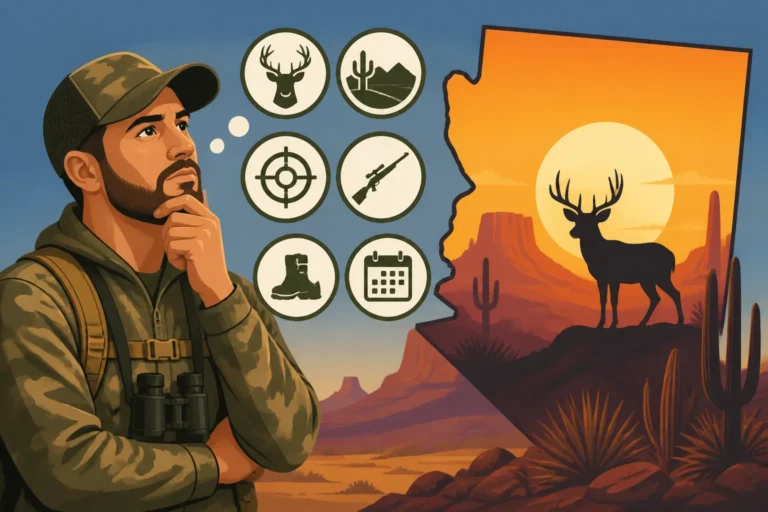
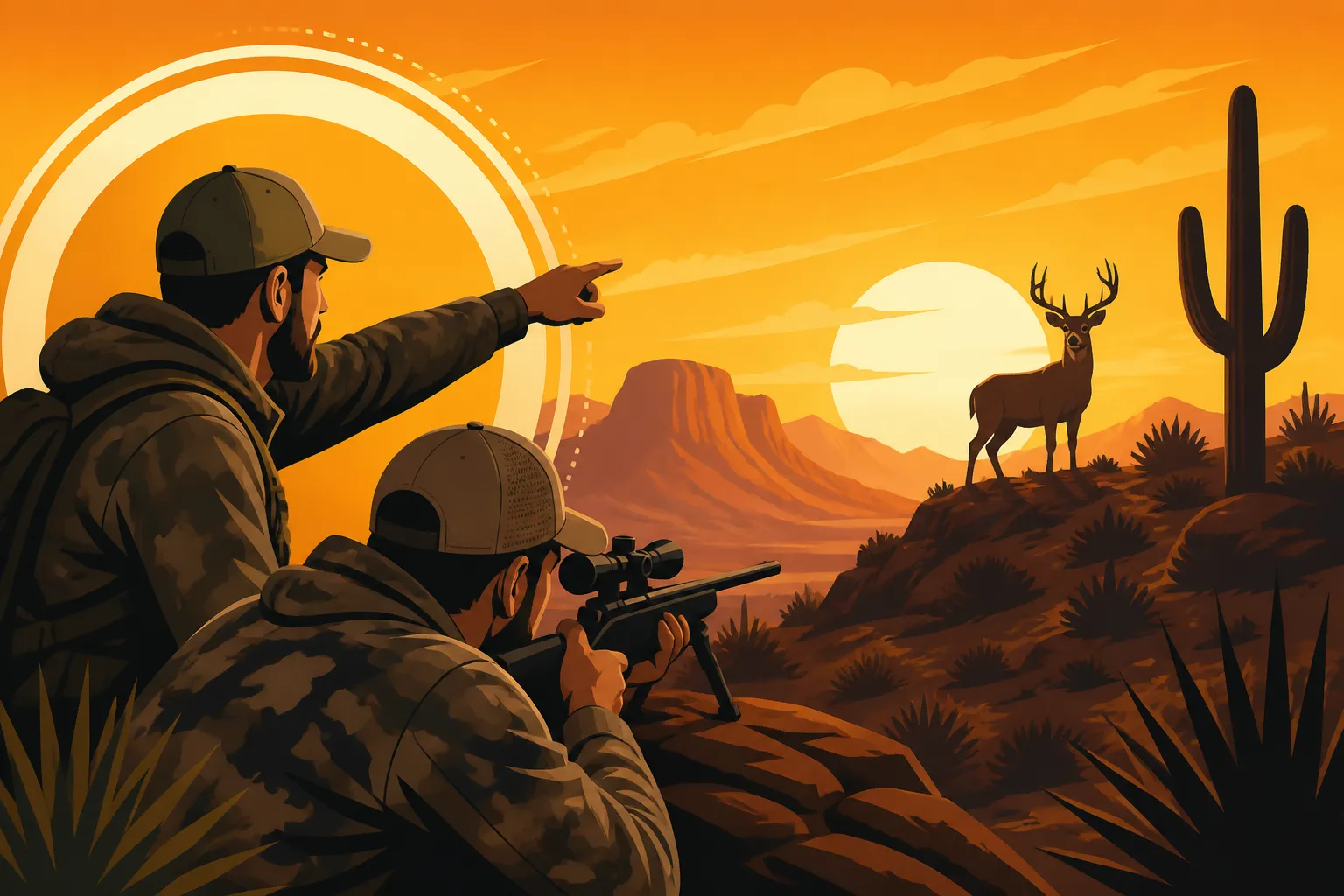
There are few moments in hunting more exhilarating, or potentially more fraught with internal debate, than when a big game animal steps into view and your guide whispers (or emphatically states), "Take the shot!" For many hunters, especially those accustomed to making every decision themselves, this moment can bring a mix of adrenaline, trust, and even a flicker of doubt. How do you balance your guide's expertise with your own comfort and ethical judgment in that split second? This guide is all about navigating that critical juncture, helping you understand the dynamics at play and how to ensure you're making the right decision for yourself and the animal.
The Foundation of Trust: Your Guide's Expertise and Role
When you hire a hunting guide in Arizona, you're not just paying for access to ground or a ride in a truck; you're investing in their accumulated knowledge, their countless hours of scouting, and their ability to read the landscape and the animals within it. They are your eyes, ears, and often your best judgment in an unfamiliar environment, but ultimately, the shot is yours to make.
Understanding Their Experience and Scouting Efforts
Think about it: an Arizona guide has likely spent weeks, if not months, in the field before you even arrive. They've been out Scouting an Arizona Unit Before the February Deadline, driving dusty roads, hiking into rugged canyons, and glassing distant ridges, all to locate animals and understand their patterns. They know the subtle nuances of a particular unit – where elk might feed in the morning, which water sources mule deer prefer, or where Coues deer disappear into the oak brush as soon as the sun hits. Their call to shoot isn't just a random suggestion; it's often the culmination of all that hard work and observation.
For instance, they might have tracked a specific bull elk for days, learning its bedding area and preferred escape routes. When that bull finally presents itself, your guide knows not just that it's a shooter, but why this particular moment is the best opportunity. They might have observed that the wind is perfect, masking your scent, or that the animal is momentarily paused in a clear shooting lane before it moves into thicker cover. They might also be factoring in the time of day and the limited legal shooting light remaining. Before you even step foot in the field, a lot of hunters start their search for the perfect guide on platforms like BookYourHunt, where they can often read about a guide's specific experience and successful past hunts, building that initial layer of trust.
Communication Pre-Hunt: Setting Expectations
The single most important factor in confidently taking a shot your guide calls is establishing clear, open communication before the hunt ever begins. This isn't just about sharing your hunting history; it's about setting boundaries and understanding expectations. A good guide wants you to be successful and ethical, and they'll want to know your capabilities and comfort zones.
Imagine this scenario: you're after a Coues deer, notorious for their small size and the vast distances they cover. Your guide might spot a buck at 350 yards across a canyon. If you haven't discussed your comfortable shooting range beforehand, this could be a moment of conflict. You might be a seasoned hunter, but maybe you've only practiced out to 200 yards. Or perhaps you're perfectly capable of that shot, but the angle feels off to you. This is why discussing these details beforehand is paramount. Talk about your maximum effective range, your confidence with different shot angles, and your preference for broadside versus quartering shots. This conversation is also the place to discuss ethical shot placement and what happens if a shot isn't perfect. Your guide might have strong feelings about What Guides Expect From Their Clients, and you should too. This mutual understanding prevents discomfort in the field and builds the bedrock of a successful hunting partnership. Many dedicated hunters use mapping and scouting tools like GoHunt to do their own pre-scouting and identify potential areas their guide might be working, giving them a better context for these initial discussions.
Deciphering the Call: Reading Your Guide's Cues
In the heat of the moment, with adrenaline coursing, understanding your guide's communication is critical. It's rarely a calm, drawn-out conversation. It's fast, concise, and often relies on pre-established signals.
Verbal and Non-Verbal Signals
Guides develop a shorthand over years in the field. A whispered "shooter on the left, 200" might be followed by a sharp intake of breath or a frantic hand signal to get ready. Pay attention to their body language. Are they crouched low, intently focused through their binoculars or spotting scope? Is their voice hushed but firm? These are all cues that the moment is now.
Sometimes, it’s not even a full sentence. It could be a single word, "Shoot!" or "Now!" It might be a finger pointing directly at the animal, or a quick nod after they've made eye contact with you. The key is to practice these signals during less intense moments. When you're glassing and spot an animal, even if it's not a target animal, have your guide walk you through what their "shoot" call would sound like or look like. Discuss how they'll help you get on the animal. For example, will they tell you to aim for the shoulder, or simply say "behind the front leg"? Every guide has a slightly different style, and understanding theirs will shave precious seconds off your reaction time.
Situational Awareness: What Your Guide Is Seeing
Remember, your guide likely has a different perspective than you do, especially if they're behind a high-powered spotting scope. They might be seeing subtle details you're missing. They could be watching a slight head turn that offers a clear shot through a small window in the brush. They might notice the animal is just about to step behind a mesquite bush, making the next few seconds crucial.
Consider a scenario where you're Playing Thermals on a Canyon Stalk for an elusive Coues deer. Your guide might be acutely aware of how quickly the thermals are shifting as the sun rises, knowing that any delay will carry your scent directly to the deer. Or perhaps you're Reading Wind on a Sky Island Stalk for a mule deer in the pines, and your guide sees a sudden gust that could push your arrow or bullet off target if you wait too long. They're making a calculated decision based on a multitude of environmental factors and animal behavior. They might also be judging the specific antler configuration or body size to confirm it's a mature animal worth pursuing, utilizing their expertise in How Arizona Guides Judge a Coues Buck. Trust that they are seeing the full picture, beyond just what's in your immediate crosshairs.
The Moment of Decision: When to Squeeze the Trigger
This is where your preparation and trust are truly tested. The guide has made the call; now it's up to you.
Trusting Their Judgment vs. Your Comfort Level
This is the central dilemma. Your guide has called the shot, but you are the one holding the weapon. If you are not 100% confident in making the shot ethically and cleanly, you must pass. Period. No trophy, no matter how magnificent, is worth wounding an animal. A good guide will respect this decision without question. They understand that a clean kill is paramount, and pushing a hunter beyond their comfort zone is both unethical and unprofessional.
Think about the ethical implications. You've likely invested time in understanding The Ethically Hunting Arizona Course Explained, which emphasizes responsibility. If the animal is moving too fast, if your breathing is erratic, if the distance feels too far, or if there's an obstruction you can't ignore, it's better to let the opportunity pass. Communicating this directly and calmly to your guide, even in a whisper, is crucial. "I don't have a clean shot," or "I'm not comfortable with the angle," are perfectly acceptable responses. A truly professional guide will pivot, offering encouragement and immediately looking for the next opportunity or helping you adjust for a better shot.
Factors Influencing the Call and Your Shot Decision
Many elements come together in that split second, influencing both your guide's call and your personal decision to pull the trigger.
| Factor | Guide's Consideration | Hunter's Consideration | When to Proceed (Ideal) | When to Pass (Red Flag) |
|---|---|---|---|---|
| Animal Position | Broadside, quartering away, vitals exposed | Can I place the shot accurately to the vitals? | Broadside or slight quartering away, animal relaxed | Frontal shot, animal facing directly away, heavy cover |
| Distance | Within animal's ethical range, clear path | Within my practiced and ethical range, stable rest | Animal within your confident shooting range (e.g., 250 yards) | Animal at extreme range, shaky rest, unfamiliar distance |
| Wind | Direction and speed for scent and projectile drift | How will wind affect my arrow/bullet? | Light, steady wind; shooting into or across wind correctly | Strong, gusty, unpredictable wind; shooting with the wind |
| Terrain/Cover | Clear shooting lane, no obstructions, safe backdrop | Clear line of sight, no brush deflecting, safe backdrop | Animal in the open, clear shooting lane, good backdrop | Heavy brush between you and animal, uncertain backdrop, slope |
| Shooting Light | Within legal shooting hours, sufficient visibility | Can I clearly see crosshairs/pin and vitals? | Ample legal light, good visibility | Dim light (dawn/dusk), poor visibility, unclear target |
| Hunter Stability | Is the hunter steady? Are they on a rest? | Am I rock-steady? Do I have a solid rest? | Solid rest (tripod, prone, bipod), steady breathing | Off-hand, shaky, heart pounding, uncontrolled breathing |
This table highlights that while your guide might see the perfect animal position, your ability to get steady and make the shot is paramount. For example, your guide might say, "He's broadside at 200, take him!" but if you've just sprinted up a hill and your heart is pounding, your stability might be compromised. This is a situation where you might need to take an extra few seconds to compose yourself, or even pass.
The "Pass" Option: It's Always There
Never forget that the "pass" option is always available. A truly successful hunt isn't just about punching a tag; it's about the experience, the ethical pursuit, and the respect for the animal. Walking away from a shot you don't feel confident in is a testament to your integrity as a hunter. Many experienced hunters will tell you that the most memorable hunts are often those where they made a difficult ethical decision, even if it meant not filling a tag. If your guide is pressuring you or seems frustrated by a pass, that might be a red flag. The best guides prioritize a clean kill above all else. They know that a wounded animal is a terrible outcome for everyone.
Building a Partnership for Success
Ultimately, the guide-hunter relationship is a partnership. Both parties need to work together, communicate openly, and share a common understanding of what a successful and ethical hunt looks like.
The Pre-Hunt Briefing: Beyond the Basics
Before you leave camp each morning, or certainly before the hunt starts, have a detailed briefing with your guide. Don't just talk about gear; talk about scenarios. "If we get on a buck, how do you want me to get ready?" "What's the signal for 'stop' if I'm stalking?" "What are your expectations for how long I should hold on the animal after the shot?" These conversations clarify roles and expectations.
Discuss specifics about your weapon. If you're using a bow, talk about Are Mechanical Broadheads Legal in Arizona? and whether you're comfortable with them. If it's a rifle, confirm zero distance and bullet performance. This is also a good time to reiterate your personal ethical limits – perhaps you have a self-imposed range limit shorter than your maximum effective range, or you only take broadside shots. You might discuss specific ethical considerations you've gained from courses like The Ethically Hunting Arizona Course Explained, or research specific unit data found on resources like GoHunt. This level of detail shows your guide you're serious and helps them guide you more effectively. When researching guides, look for those who explicitly detail their communication style on their BookYourHunt profile or website, giving you an insight into how they operate.
Continuous Dialogue and Adaptability
The hunt is dynamic, and your communication should be too. During a stalk, if you have a question or concern, whisper it to your guide. "Is that a clear lane?" "Can you see the background?" "Is there another option?" Don't be afraid to speak up. Your guide isn't a mind-reader. They're focused on getting you into position and on the animal, but they rely on your input regarding your own comfort and perception.
Conditions change rapidly in Arizona's diverse terrain. The wind can swirl, the light can dim, and animals can suddenly move. Be adaptable. Your guide might call for a quick change in position or a faster pace than you expected. Trust their judgment in these tactical shifts, but always maintain your own responsibility for the shot itself.
After the Shot: Responsibility and Recovery
The decision to take the shot is just the beginning. What happens immediately after is crucial. Discuss your guide's expectations for post-shot behavior. Should you stay on the animal until instructed? Should you immediately reload? Where should you aim if a follow-up shot is needed?
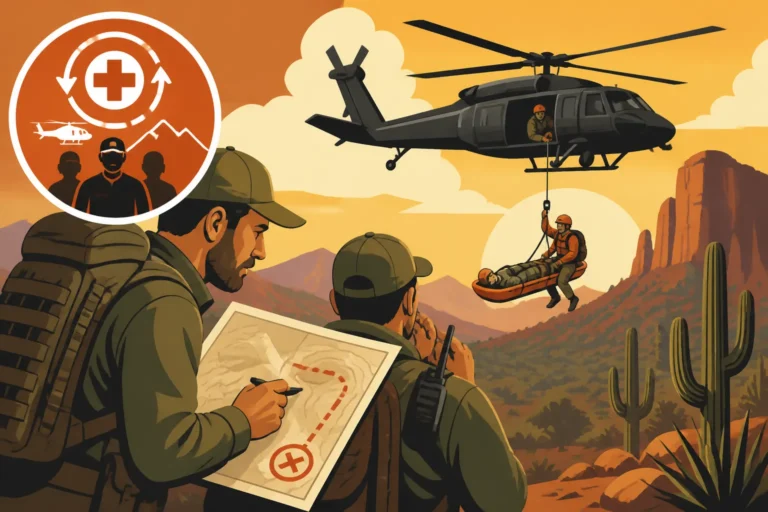
Then, the recovery. Even with a perfect shot, tracking can be challenging in Arizona's rugged and often thorny landscape. Your guide will be instrumental in Tracking Javelina Through Thick Cover or locating a mule deer that has run into a wash. This is where their expertise truly shines. Once the animal is down, the work of Field Dressing in Desert Heat and getting the meat cooled, especially on an Getting Meat Cooled on an Early Season Hunt, becomes a shared responsibility. Clear communication and a well-defined plan ensure that the entire process, from shot call to meat in the cooler, is handled efficiently and ethically. Remember, this partnership extends to every phase of the hunt.
Disclaimer
This article is for general informational purposes only and does not constitute professional advice. Laws, prices and regulations vary by location and change over time. Consult a qualified professional for guidance on your specific situation.