Heat Management on an Arizona Early Season Hunt
Arizona's early hunting seasons, often kicking off in August for archery deer and bear, throw hunters into some of the most unforgiving conditions imaginable. The relentless sun, scorching temperatures, and often unexpected humidity can turn a dream hunt into a survival challenge, making it incredibly difficult to stay focused, safe, and effective. This comprehensive guide will walk you through proven strategies for managing heat on an Arizona early season hunt, ensuring you're prepared to face the desert's formidable embrace and still find success.
Understanding Arizona's Early Season Climate Challenges
Diving into an Arizona early season hunt without a deep respect for the climate is a recipe for disaster. It's not just "hot;" it's a specific kind of heat, coupled with unique atmospheric conditions that demand proactive strategies. Ignoring these factors can quickly deplete your energy, impair judgment, and even put your life at risk.
The Intense Heat and Arid Conditions
When we talk about early season in Arizona, especially August and September, we're talking about daytime temperatures that routinely soar into the triple digits in the lower desert and often hit the high 90s even in the higher elevations. The air can be bone-dry, meaning your sweat evaporates almost instantly, giving a false sense of cooling while your body is rapidly losing essential fluids. This dry heat can be deceptively dangerous because you don't feel as "sweaty" as you would in a humid environment, yet you're losing just as much, if not more, water through respiration and perspiration. The sun's intensity is also brutal, beating down with an almost physical presence, turning every exposed surface into a heat sink. It's not just about feeling hot; it's about the relentless thermal load on your body.
Monsoon Season's Unexpected Humidity
Adding another layer of complexity to the early season is Arizona's monsoon season, which typically runs from mid-June through September. While many associate Arizona with dry heat, the monsoons bring moisture from the Gulf of California, leading to dramatic afternoon thunderstorms and, crucially, a significant increase in humidity. This shift from dry to humid heat changes everything. Suddenly, your sweat doesn't evaporate as efficiently, reducing your body's natural cooling mechanism. What felt like a manageable 95 degrees in dry air can feel utterly stifling when humidity pushes it into uncomfortable territory. The increased humidity can also make for sticky, uncomfortable nights, preventing your body from fully recovering and cooling down. Understanding Reading Wind on a Sky Island Stalk during these conditions becomes even more critical, as thermals can be heavily influenced by moisture and cloud cover.
How Elevation Creates Microclimates
Arizona is a state of incredible topographical diversity, and this plays a massive role in early season conditions. While the Sonoran Desert floor might be baking at 110 degrees, a mere 50 miles away and 5,000 feet higher, the Mogollon Rim could be experiencing high 80s with afternoon showers. These elevation changes create distinct microclimates. Even within a single game management unit, you can find significant differences in temperature and humidity depending on whether you're down in a wash, up on a sun-baked ridge, or tucked into a north-facing slope with some residual moisture. This means your heat management strategy needs to be flexible. What works for a Coues deer hunt in the Sky Island Ranges That Hold Coues might be different from an elk scouting trip on the Mogollon Rim as Arizona Elk Country. Always check localized forecasts for your specific hunting elevation, not just the nearest major city. You can use platforms like GoHunt's weather tools to pinpoint conditions for precise locations within a unit.
Mastering Hydration for Desert Hunts
When it comes to surviving and thriving on an early season Arizona hunt, hydration isn't just important; it's the absolute foundation of your success and safety. The desert is a notorious dehydrator, and if you're not on top of your water intake, your hunt will be over before it truly begins.
Prioritizing Water and Electrolyte Replacement
Most people understand the need to drink water, but in the extreme conditions of an Arizona early season hunt, simply drinking water isn't enough. Your body loses not just water, but also critical electrolytes like sodium, potassium, and magnesium through sweat. Without these, your body's systems can't function properly, leading to muscle cramps, fatigue, and even more severe heat-related illnesses. Aim to drink a liter of water every hour, or even more during strenuous activity. It sounds like a lot, but your body is working overtime to regulate its temperature. Don't wait until you're thirsty; by then, you're already behind. Incorporate electrolyte mixes into your water, especially during the hottest parts of the day or after significant exertion. Brands like Liquid IV, Pedialyte, or even simple sports drinks can help replenish what you're losing. Just be mindful of sugar content if you're sensitive. Remember, prevention is key; trying to catch up on hydration after you're already feeling the effects of dehydration is a tough uphill battle. This is a critical component of Preparing Physically for a Desert Hunt.
Effective Hydration Carrying Systems
The challenge with carrying enough water is, well, carrying enough water. Water is heavy, weighing about 2.2 pounds per liter. For a full day's hunt in the heat, you might need 6-8 liters, which quickly adds up to 15-20 pounds of just water. This necessitates smart carrying solutions. A dedicated hydration pack with a large bladder (3-liter minimum, 4-6 liter ideal) is often the most comfortable option, allowing you to sip frequently without breaking stride. However, bladders can be prone to punctures and are harder to refill from natural sources. Many experienced desert hunters combine a bladder with multiple sturdy Nalgene bottles or similar tough containers, distributed in external pockets of their pack. This gives you redundancy and allows you to access water without removing your pack. Consider using insulated sleeves for your bladder or bottles to keep water cooler for longer.
Here's a quick comparison of common hydration carrying systems:
| System Type | Pros | Cons | Best Use Case |
|---|---|---|---|
| Hydration Bladder | Hands-free sipping, even weight distribution, large capacity | Puncture risk, difficult to clean/dry, hard to gauge remaining volume, harder to refill from trickles | Consistent, strenuous hiking where frequent sips are needed |
| Nalgene Bottles | Durable, easy to clean/refill, clear volume gauge, versatile | Takes up pack space, requires stopping to drink, less convenient for quick sips | Mixed terrain, camp water, backup to bladder, adding electrolytes |
| Soft Flasks | Lightweight, compressible, easy to stash, quick access | Smaller capacity, less durable than hard bottles, can be awkward to drink from when full | Supplementing main water, quick access in chest pockets, shorter trips |
| Insulated Bottles | Keeps water colder longer, durable | Heavier, bulky, usually smaller capacity, can be expensive | Carried at camp, for essential cold water breaks, shorter glassing sessions |
You'll quickly learn that Water You Must Carry on a Day Hunt in Arizona often means more than you think. Always over-estimate your needs, especially when pushing deep into a unit. If you're fortunate enough to find a reliable water source like a stock tank, consider filtering and refilling.
Recognizing and Preventing Heat-Related Illnesses
The desert doesn't forgive. Heat exhaustion and heatstroke are real, life-threatening dangers. You need to know the signs, both in yourself and your hunting partners, and act decisively.
Heat Exhaustion Signs:
- Heavy sweating
- Cold, pale, clammy skin
- Fast, weak pulse
- Nausea or vomiting
- Muscle cramps
- Tiredness or weakness
- Dizziness
- Headache
- Fainting
Heatstroke Signs (Medical Emergency! Call 911!):
- High body temperature (103°F or higher)
- Hot, red, dry or damp skin
- Fast, strong pulse
- Headache
- Dizziness
- Nausea
- Confusion
- Slurred speech
- Loss of consciousness
Prevention is everything. Stay hydrated, wear appropriate clothing, take frequent breaks in the shade, and avoid the hottest parts of the day for strenuous activity. If you or a partner shows signs of heat exhaustion, get them into the shade immediately, have them drink water with electrolytes, apply cool, wet cloths, and fan them. If symptoms worsen or if you suspect heatstroke, initiate emergency protocols and get medical help. Your life, or the life of your hunting partner, is infinitely more valuable than any animal.
Essential Gear and Clothing for Heat Management
Proper gear and clothing choices are not just about comfort in the desert heat; they are fundamental elements of your survival and performance. Making the wrong choices here can rapidly accelerate heat stress and undermine your entire hunt.
Choosing Lightweight, Breathable Fabrics and Colors
Forget heavy cotton and dark colors; they are your enemy in the Arizona heat. Cotton absorbs sweat and stays wet, chafing and cooling your body too much in cooler moments while offering no help in the heat. Dark colors absorb solar radiation, effectively turning you into a heat-seeking missile. Instead, opt for lightweight, synthetic fabrics designed for moisture-wicking and quick-drying. Polyester, nylon, and merino wool blends (yes, even in heat, fine merino can be excellent for its wicking and odor-fighting properties) are your friends. Look for fabrics with a UPF (Ultraviolet Protection Factor) rating of 30 or higher to protect against the sun's harsh UV rays.
Colors matter immensely. Light colors – tan, coyote brown, light grey, even light olive green – reflect sunlight and help keep you cooler. Many high-performance hunting clothing brands, like KUIU or Sitka, offer lines specifically designed for hot weather with these considerations in mind. A long-sleeve button-up technical shirt with vents is often a better choice than a short-sleeve T-shirt, providing more sun protection without adding significant heat. Don't forget that Layering for Rim Country Temperature Swings can still be important, even in early season, as temperatures can drop significantly from scorching daytime highs to chilly desert nights.
Critical Sun Protection for Head and Skin
The Arizona sun is relentless, and neglecting proper sun protection is not only uncomfortable but also poses serious long-term health risks like skin cancer. A wide-brimmed hat is non-negotiable. It protects your face, ears, and neck far better than a baseball cap ever could. Look for hats with a dark underside to reduce glare. Many hunters also use lightweight neck gaiters or buffs made from technical fabric. These can be pulled up over your face and neck for full sun protection, and if dampened with water, they offer a refreshing evaporative cooling effect.
High-quality sunglasses are also vital. They reduce eye strain from the intense glare off rocks and sand, allowing you to glass more effectively and comfortably. Ensure they offer 100% UV protection. Finally, liberal application of broad-spectrum sunscreen with an SPF of 30 or higher is crucial for any exposed skin. Reapply frequently, especially after sweating heavily. Don't forget your lips; a good lip balm with SPF will prevent painful cracking and burning.
Footwear Choices to Prevent Blisters and Overheating
Your feet take a beating in the desert, and nothing can ruin a hunt faster than debilitating blisters or overheated feet. Choosing the right footwear is a delicate balance between support, protection, and breathability. Heavy, insulated boots are a definite no-go. Instead, look for lightweight, breathable hiking boots or trail shoes. Many companies now make "desert" or "hot weather" specific boots with mesh panels for ventilation.
Ensure your boots are well broken-in before your hunt to prevent hotspots and blisters. Pair them with quality moisture-wicking socks, like those made from merino wool or synthetic blends. Avoid cotton socks at all costs, as they will trap moisture and lead to blisters. Carrying a spare pair of socks to change into halfway through the day can feel like heaven and significantly reduce the chance of foot issues. Regularly checking your feet for any signs of rubbing or irritation and addressing them immediately with moleskin or athletic tape can save you immense pain. Remember, the rocky, uneven terrain means Choosing Boots for Rocky Desert Ground isn't just about heat; it's also about traction and ankle support.
Strategic Hunting Approaches in High Temperatures
Hunting in extreme heat isn't just about what you wear or drink; it's about fundamentally altering your tactics to align with the rhythms of the desert and its inhabitants. Animals, just like us, seek refuge from the sun, and understanding their patterns is crucial for success.
Optimizing Hunt Times and Focusing on Water Sources
The cardinal rule of early season desert hunting is to avoid the midday sun. This means your hunting day will likely be split into two intense periods: a pre-dawn push until around 9 or 10 AM, and an evening hunt from late afternoon until dark. During the hottest hours, from late morning to mid-afternoon, animals will be bedded down in the thickest shade they can find, often in steep canyons, under junipers, or in dense oak brush. This is your cue to do the same. Use these hours to scout from a distance with your optics, review maps on your GoHunt app, eat, rehydrate, and rest. Pushing hard during midday is largely unproductive and dangerous.
Water sources are absolute magnets for game in the desert heat. Focusing your efforts around these vital areas will dramatically increase your odds. This means Hunting a Stock Tank During Early Archery becomes a prime tactic. Find seeps, springs, stock tanks, and even man-made guzzlers. Animals will be hitting these sources in the cool of the morning, just before bedding, and again in the evening before feeding. Approaching these quietly from downwind and setting up for an ambush can be highly effective. Remember to maintain ethical distances and respect the space around these critical water points.
Utilizing Topography and Shade for Success
The desert provides natural advantages for heat management if you know how to use them. North-facing slopes, deep canyons, and rock outcroppings offer precious shade that can drastically reduce ambient temperatures. When moving, try to stay on shaded slopes as much as possible, even if it adds a bit of distance. This not only keeps you cooler but also often keeps you out of the direct line of sight of game that might be watching from the sunny side.
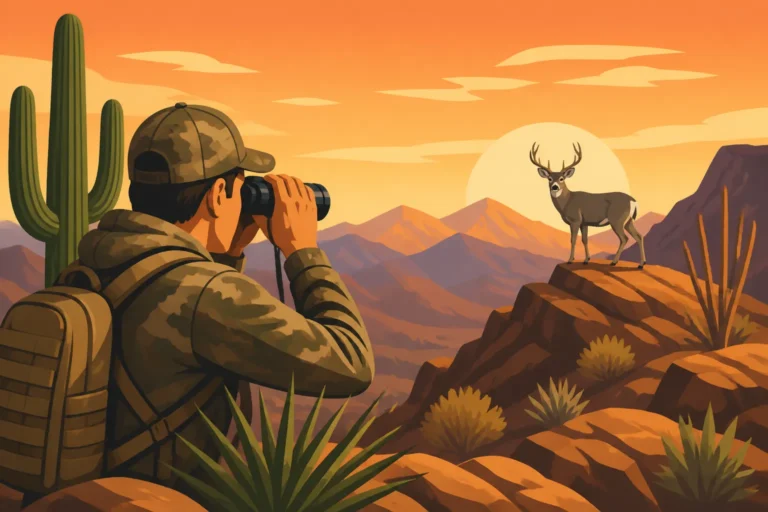
Glassing is still the king of desert hunting, especially for species like Coues deer. Position yourself on a shaded ridge or under a large tree that offers a wide vantage point. Early morning and late evening are prime glassing times when animals are most active. Platforms like GoHunt allow you to identify potential bedding areas and water sources from satellite imagery, giving you a head start on where to focus your glassing efforts. Patience is a virtue here; spend hours behind your binoculars and spotting scope, meticulously picking apart shaded slopes and dense cover. Remember, Glassing Arizona's Sky Islands for Coues Deer is often a slow, methodical process that benefits from comfort and proper positioning.
Immediate Game Care and Meat Preservation
Perhaps one of the most stressful aspects of an early season hunt is the race against time to preserve your harvest. High temperatures accelerate spoilage, and neglecting proper field care can quickly lead to ruined meat. Once an animal is down, the clock starts ticking.
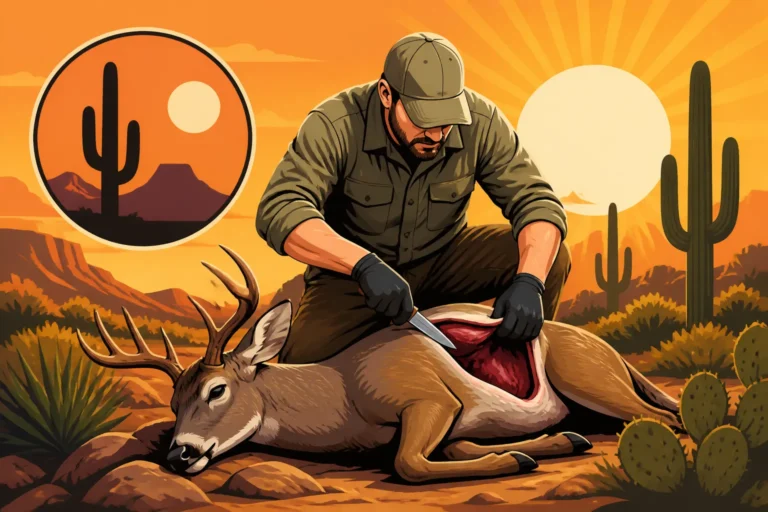
Immediately get to the animal, tag it, and begin the Field Dressing in Desert Heat process. Remove the entrails as quickly as possible to allow the body cavity to cool. If legal in your unit, quartering the animal is highly recommended. This exposes more surface area to air, allowing for faster cooling. Get the quarters into game bags to protect the meat from flies and debris, and then move them to the coolest, shadiest spot you can find – often a north-facing slope, under a thick bush, or in the bottom of a cool, rocky wash. If you have ice on hand, placing bags of ice inside the body cavity or draped over the quarters can make a huge difference.
The ultimate goal is to get the meat cooled as rapidly as possible. This often means making multiple trips to pack out the animal or having a plan for immediate transport to a cooler. Knowing how to manage Getting Meat Cooled on an Early Season Hunt is paramount for respecting your harvest and ensuring its edibility. Always have a strategy for packing out, ideally with multiple people or pack animals, and a large cooler filled with ice awaiting at the truck.
Physical Readiness and Safety Beyond the Heat
Heat management isn't just about tactical adjustments; it's deeply tied to your personal physical condition and your awareness of the broader desert environment. Pushing your limits in extreme conditions requires a foundation of fitness and a sharp eye for potential hazards.
Building Heat Acclimatization and Endurance
You can't just step off a plane from a cooler climate and expect your body to perform optimally in Arizona's August heat. Heat acclimatization is a real physiological process that takes time and consistent effort. Ideally, begin exercising in warm conditions several weeks before your hunt, gradually increasing intensity and duration. This allows your body to adapt by improving sweating efficiency, increasing blood plasma volume, and lowering your core body temperature response to exercise. Even if you can't be in actual desert heat, working out in warm rooms or during the hotter parts of the day at home will help.
Beyond acclimatization, general physical fitness is crucial. Desert hunting often involves steep ascents, navigating rough terrain, and carrying heavy loads, especially if you're successful. Incorporate cardio, strength training, and hiking with a weighted pack into your routine. The fitter you are, the less strain your body experiences, and the better equipped it is to handle the additional stress of heat. Being in peak physical condition also helps with decision-making when fatigued, which can be a lifesaver in challenging environments.
Recognizing and Responding to Heatstroke and Exhaustion
We touched on this briefly under hydration, but it bears repeating with emphasis on recognition and response. Early detection is key. Always hunt with a partner, or at the very least, ensure someone knows your exact route and expected return time. Check in with each other frequently. Pay attention to changes in mood, coordination, and speech. A hunter who becomes irritable, confused, or starts stumbling is a red flag.
If you suspect heat exhaustion, immediate action is needed. Get the individual to the shadiest, coolest spot available. Remove excess clothing. Pour water over their head and body, especially on pulse points like the neck, armpits, and groin. Fan them vigorously. Give them small, frequent sips of water mixed with electrolytes. Monitor their condition closely. If there's no improvement, or if symptoms worsen to suggest heatstroke (loss of consciousness, hot dry skin, erratic behavior), this is a 911 emergency. Have a satellite communication device like a Garmin inReach or Zoleo, as cell service is often nonexistent in remote Arizona units. Knowing how to use it and having emergency contacts pre-programmed is vital.
Other Desert Dangers in Early Season
While heat is the primary concern, the early season desert is home to a host of other dangers that require vigilance.
Snakes: Rattlesnakes are most active in warmer weather, especially during the early morning and late evening when temperatures are cooler. Watch where you step, where you put your hands, and listen for their distinctive rattle. Wear appropriate footwear, like good quality leather boots, that offer some protection. Snake Awareness on an August Archery Hunt is not just a suggestion; it's a necessity.
Insects: Scorpions and spiders are also more active. Always check your boots and gear before putting them on. Flying insects can be annoying, so a head net can sometimes be a blessing during glassing sessions.
Flash Floods: The monsoon season means daily thunderstorms, which can lead to sudden and dangerous flash floods, especially in washes and canyons. Never camp in a wash. Pay attention to weather forecasts, even if the sky above you seems clear. Rain miles upstream can send a wall of water down a dry wash with little warning.
Cactus and Thorny Brush: The desert is full of sharp things. Investing in tough hunting pants and gaiters can save your legs from painful encounters with prickly pear, cholla, and catclaw acacia.
Lack of Water: Beyond what you carry, knowing how to find and treat water in an emergency could save your life. Carry a high-quality water filter or purification tablets. Do your research on potential natural water sources in your unit before you ever leave home.
Staying aware of these multi-faceted challenges allows you to mitigate risks and focus on the hunt. The Arizona desert is a beautiful, wild place, but it demands respect and preparation.
Disclaimer
Please be advised that the information provided in this guide is intended for general informational purposes only and does not constitute professional advice. Hunting regulations, safety guidelines, and environmental conditions can change rapidly. Always consult the most current Arizona Game and Fish Department regulations, seek professional medical advice when necessary, and prioritize your safety and the safety of others above all else. Engaging in outdoor activities, especially hunting in challenging environments, carries inherent risks.