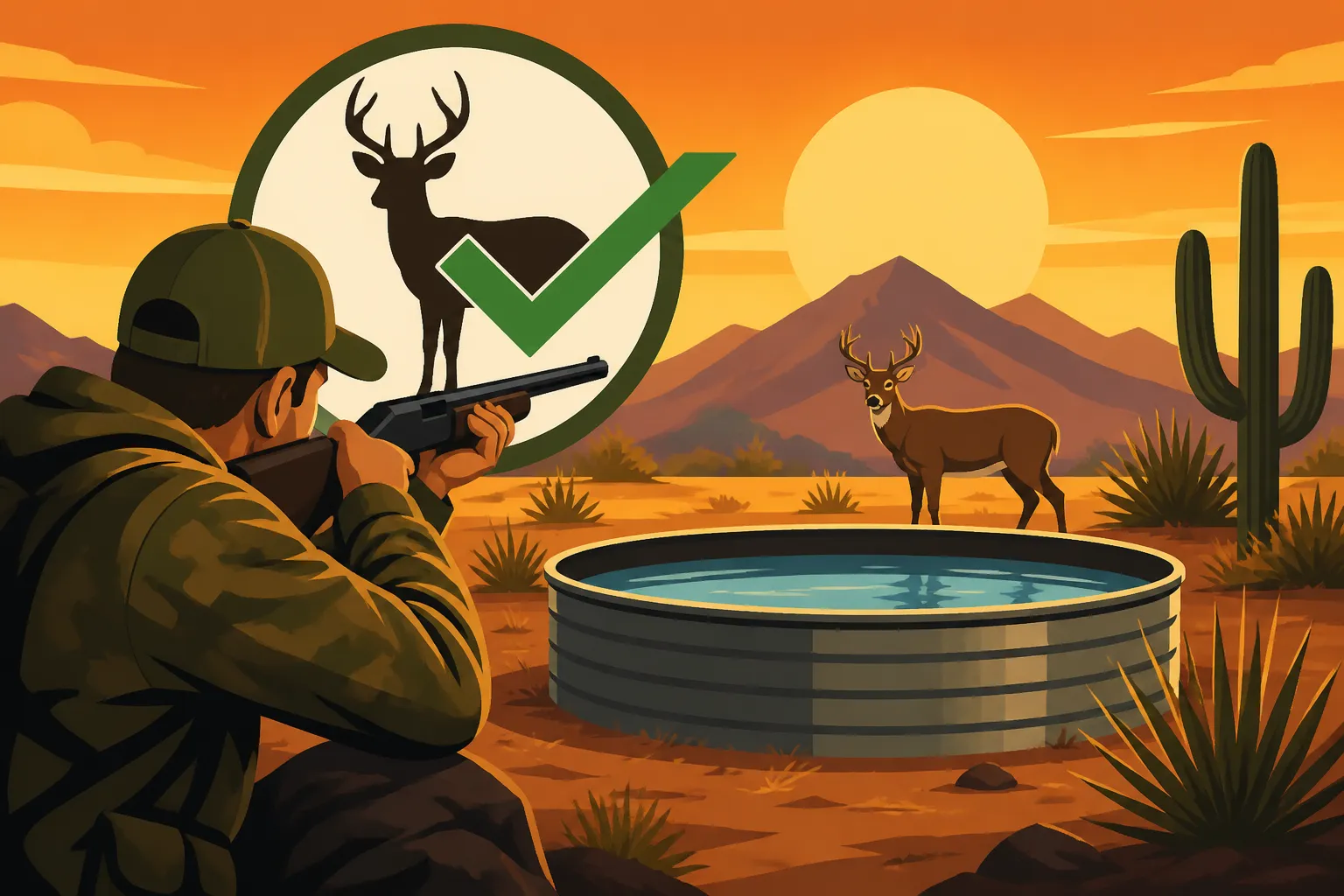
Hunting Over a Stock Tank Legally
Navigating the arid landscapes of Arizona as a hunter often means water sources become focal points for game. It's a natural magnet, drawing everything from javelina to elk, especially during those long, dry stretches. However, this natural attraction also raises critical questions about what's truly legal and ethical when you choose to hunt near these vital water holes, particularly stock tanks. This guide aims to clear up the confusion, helping you understand the regulations, make informed ethical decisions, and develop effective strategies for legally and responsibly hunting over Arizona's indispensable water sources.
Navigating Arizona's Rules for Hunting Over Water
When you're out in the Arizona desert, or even up in the timbered high country, seeing a stock tank or a natural spring can feel like hitting the jackpot. It’s where life congregates. But for hunters, it also brings up that nagging question: "Is this legal?" The good news is, in Arizona, hunting over water sources — whether they’re natural springs, developed wildlife waters, or livestock stock tanks — is generally permissible, but there's a crucial distinction we need to unpack.
Understanding the Legal Line Between Water and Bait
The Arizona Game and Fish Department (AZGFD) is very clear on this: water itself is not considered bait. You can absolutely hunt over a stock tank, a spring, or a guzzler. The key is that you cannot introduce anything to that water source, or near it, that would artificially attract game. This is where the concept of "baiting" comes into play, and it's a line you absolutely do not want to cross.
Baiting, in Arizona, is defined as the "placing, exposing, depositing, distributing or scattering of salt, grain or other feed, or other attractants that entice wildlife to an area." Notice it says "other attractants." This means if you were to drop a block of minerals, a pile of corn, or even something seemingly innocuous like apple slices near a water source, that immediately becomes illegal baiting. The presence of water is what draws animals naturally; adding anything else shifts it into a prohibited act. Many states have vastly different rules on what constitutes baiting or hunting near water, so it's vital to focus on Arizona's specific regulations. For a deeper dive into the specific prohibitions, you should always consult the official AZGFD regulations, especially the section on "Baiting Rules That Apply in Arizona".
The Role of Intent in Arizona Regulations
Beyond the physical act, intent plays a significant role. If you accidentally spill some trail mix near a water source, and then later decide to hunt that spot, that's different from deliberately pouring out a bag of grain to draw deer in. The regulations are designed to prevent hunters from creating an unfair advantage by artificially manipulating animal behavior. Animals naturally come to water, especially when "Finding Water in Arizona's Dry Country" becomes a daily struggle. Your presence at that water source is using their natural needs against them, which is part of ethical hunting, but you cannot enhance that attraction.
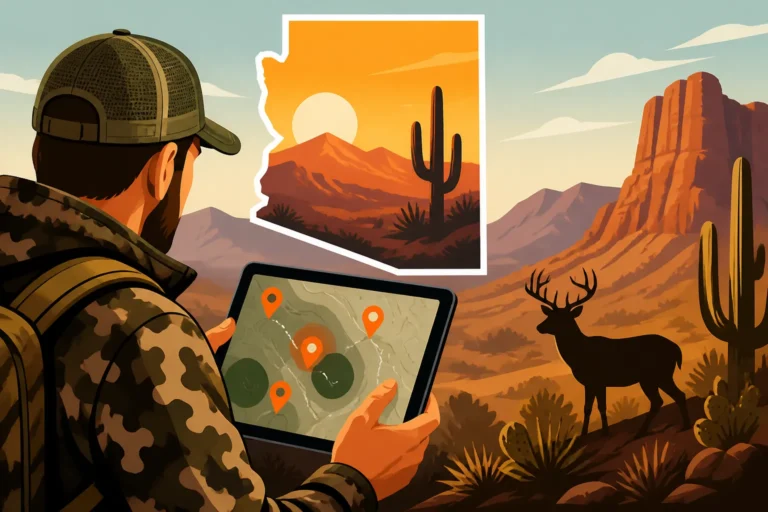
This distinction highlights the importance of scouting. You’re looking for where animals are naturally moving, where they're watering, and how they're using the landscape. Tools like GoHunt can be immensely helpful here, providing satellite imagery and public land overlays to pinpoint potential water sources and travel corridors. Before you even set foot in the field, using e-scouting tools like GoHunt can help you locate potential stock tanks or natural springs within your chosen unit, helping you understand the lay of the land without leaving a human scent trail. When you’re planning your hunt, understanding these specific nuances is paramount to staying legal and within the spirit of fair chase.
Ethical Considerations Beyond the Law
Just because something is legal doesn't always mean it feels entirely ethical to every hunter. Hunting over water sources, while legal in Arizona, sometimes sparks internal debates about fair chase, animal concentration, and the overall hunting experience. It's a conversation worth having, both within yourself and among the hunting community.
Balancing Opportunity with Fair Chase Principles
The principle of fair chase dictates that hunters should not have an unfair advantage over the animal they pursue. When animals are forced to come to a limited water source in an arid environment, their vulnerability increases significantly. This isn't baiting, but it does concentrate animals, making them easier to pattern and ambush. For some, this feels like an acceptable part of desert hunting, acknowledging that water is a natural focal point. For others, it might feel like it borders on taking away too much of the challenge.
Consider the heat of an early archery season. Animals must drink, often multiple times a day. If you're "Hunting a Stock Tank During Early Archery", you're leveraging a fundamental biological need. There's no right or wrong answer here, but it's important to reflect on your personal hunting ethics. Are you still feeling challenged? Is the hunt providing the experience you seek, or are you prioritizing ease over effort? These are questions that every individual hunter must answer for themselves. What feels ethical to one person might not feel right to another, and that's okay, as long as everyone stays within the bounds of the law. This self-reflection is a core part of being a responsible hunter.
Minimizing Impact and Pressure
Hunting over water sources, especially popular ones, can put a lot of pressure on local game populations. If multiple hunters target the same few water holes, animals can become nocturnal, abandon the area, or simply become incredibly wary. This isn't just about hunter success; it's about the long-term health and behavior of the herd. When "Water Sources and Ethics in Arizona Desert Hunting" are discussed, minimizing pressure is a key component.
One way to address this is to scout extensively to find less-pressured water sources. This might involve hiking further, using satellite imagery to spot remote tanks, or targeting less popular units. If you're hunting an area known for high pressure, consider limiting your time on a specific tank or rotating between a few different spots. This allows animals to continue using these vital resources without constant human disturbance. Remember that water is a critical resource, and our ethical responsibility extends to minimizing our negative impact on wildlife behavior around these areas.
Strategic Approaches to Hunting Near Stock Tanks
Now that we’ve covered the legal and ethical landscape, let’s talk about how to actually hunt these spots effectively and responsibly. Success around stock tanks isn't just about showing up; it's about smart scouting, careful setup, and understanding animal behavior.
Scouting and Location Selection
The first step to successfully hunting a stock tank is identifying active tanks. Not all tanks hold water year-round, and not all active tanks are used equally by game. Look for fresh tracks, droppings, and browse lines around the tank. Pay attention to the type of game you're after. For example, "Javelina Is Arizona's Most Accessible Big Game", and they often water in small, muddy areas that larger animals might avoid. "Coues Deer Are Arizona's Signature Whitetail" often use water sources at dawn and dusk, especially in warmer months.
E-scouting tools like GoHunt are invaluable for initial reconnaissance. You can identify potential water sources on maps, assess terrain for access, and even look for shaded areas or escape routes animals might use nearby. Combining this with boots-on-the-ground scouting is the winning formula. Before the season, spend time hiking into different tanks, watching them from a distance, and noting animal travel patterns. Understand "Reading an Arizona Unit Boundary Before You Apply" so you know exactly where you can legally access and hunt these water sources.
Mastering Your Setup and Approach
Once you've identified an active tank, your setup is crucial. Wind direction is paramount. Animals almost always approach water from downwind to scent check the area. You need to position yourself so your scent is carried away from their likely approach corridors. This often means being extremely careful about your entry and exit to the stand or blind.
Concealment is also key. Whether you're in a ground blind or using natural cover, you need to be invisible. Many stock tanks are surrounded by open ground, making concealment a challenge. Build or find a blind that blends seamlessly into the environment. Consider the sun's position throughout the day to avoid being backlit. When approaching the tank, be incredibly quiet and deliberate. Animals are often wary around water, and any unnatural sound or movement will spook them. Remember, patience is your greatest ally here. For tips on stealth and observation, check out "Sitting Water for Javelina and Deer".
Table: Legal vs. Illegal Practices When Hunting Near Water in Arizona
| Practice | Legality in Arizona | Explanation |
|---|---|---|
| Hunting over a stock tank | Legal | Stock tanks are considered natural or artificially developed water sources, not bait. Animals visit them by natural necessity. |
| Hunting over a natural spring | Legal | Natural springs are entirely natural water sources. No bait is involved. |
| Placing salt block near tank | Illegal (Baiting) | Salt is an "attractant" designed to entice wildlife. Placing it near water is considered baiting. |
| Scattering corn/feed | Illegal (Baiting) | Grain or any other feed is a direct attractant. This is a clear violation of baiting regulations. |
| Using a water source you created for wildlife | Legal | Developing a water source for wildlife (e.g., a guzzler, small pond) is legal. Hunting over it is legal as long as no other attractants are added. These "Water Development Projects Built for Wildlife" are often a boon to game, but can't be baited. |
| Having a snack near water | Legal (with caution) | Accidentally dropping a piece of food is not considered baiting, but intentional placement is. Be mindful not to leave food or trash that could act as an attractant. |
| Bringing a scent attractant | Legal (if not placed as bait) | Using scents like deer urine or estrus can be legal if applied to yourself or surrounding brush. However, placing it with the intent to lure an animal directly to a spot as bait near water could be a gray area. Consult AZGFD if unsure. |
Addressing Common Misconceptions About Water Hole Hunting
There are a lot of ideas floating around about hunting near water, often fueled by rules from other states or anecdotal experiences. Let’s clear up some of the most common misunderstandings specific to Arizona.
The "24-Hour Rule" and Other State-Specific Laws
Many hunters, especially those new to Arizona or who have hunted in other states, are familiar with a "24-hour rule" or similar regulations that dictate how long you must wait after placing bait or even after discovering bait near a hunting area. Arizona does not have a specific "24-hour rule" after bait is removed. The issue is simply the presence of bait. If bait is present, it's illegal to hunt over it. This applies whether it was placed five minutes ago or five days ago.
The core principle in Arizona is simple: if it's a water source (natural or developed for wildlife) and nothing else has been added to attract game, it's legal to hunt. The moment you introduce anything that could be considered bait, the legality changes. This stark difference from other state regulations can be a source of confusion, so always default to Arizona's specific rules, not what you might have learned elsewhere. When you're packing your gear, remember that "Water You Must Carry on a Day Hunt" for yourself is distinct from anything you might consider leaving for game.
The Difference Between "Attracting" and "Baiting"
This is a subtle but critical distinction. As hunters, we always try to "attract" game in some way, whether through calls, scents, or setting up in natural travel corridors. When hunting over water, you are indeed "attracting" animals by placing yourself where their natural needs bring them. This is legal. Baiting, however, involves the introduction of external substances to artificially enhance that attraction or create a new one.
For example, using a grunt tube to call in a buck near a water source is attracting. Placing an apple pile near that same water source is baiting. The crucial element is what you add to the environment. The desert environment itself, with its sparse water, is the "attractant" you're leveraging. Keep your setup natural, rely on your understanding of animal behavior, and avoid any temptation to sweeten the deal with artificial attractants. Using resources like GoHunt to scout and understand terrain, including water features, helps you use natural attractants effectively and legally. Additionally, understanding broader land use, perhaps by checking "Using onX Layers for Arizona Public Land", can help you identify legal, unpressured areas near water.
Disclaimer
Please remember that hunting regulations can change, and it is always your responsibility as a hunter to consult the most current Arizona Game and Fish Department regulations before heading into the field. This guide provides general information and should not be considered a substitute for official legal documentation.