How Many Elk the State Actually Holds
Figuring out exactly how many elk roam the vast and diverse landscapes of Arizona is a question that truly stumps many hunters, often leading to a lot of speculation and frustration. It's not like counting cattle in a pasture; these are wild animals spread across millions of acres of challenging terrain. This guide will dive deep into how these numbers are estimated, what factors cause them to fluctuate, and where you can find reliable information to help with your hunt planning.
Understanding Arizona's Elk Population Estimates
The idea of simply walking out and counting every single elk in Arizona sounds nice, doesn't it? But anyone who has spent time chasing these magnificent creatures through dense timber or across wide-open plateaus knows that's just not realistic. The truth is, estimating wildlife populations is a complex, ongoing process, and it's far from an exact science.
The Challenges of Counting Wild Elk
Imagine trying to count thousands of animals that are masters of camouflage, live in remote, rugged habitats, and often move significant distances throughout the year. That's the challenge wildlife biologists face with Arizona's elk. These animals aren't static; they're constantly on the move, responding to weather, forage availability, and hunting pressure. You might find a large herd in one basin one week, and the next, they've vanished into a different drainage, leaving you wondering if they were ever there at all. Dense forests, deep canyons, and vast open country all make visual counts incredibly difficult, even with the best technology. Furthermore, elk behavior itself plays a role – they're wary creatures, and any human presence can send them deeper into cover, making them almost impossible to spot from the air or ground.
How Arizona Game and Fish Department AZGFD Estimates Numbers
So, if direct counts aren't feasible, how does the Arizona Game and Fish Department (AZGFD) come up with their numbers? They employ a combination of sophisticated techniques and statistical modeling to provide the most accurate estimates possible. This isn't just guesswork; it's a dedicated effort combining multiple data points.
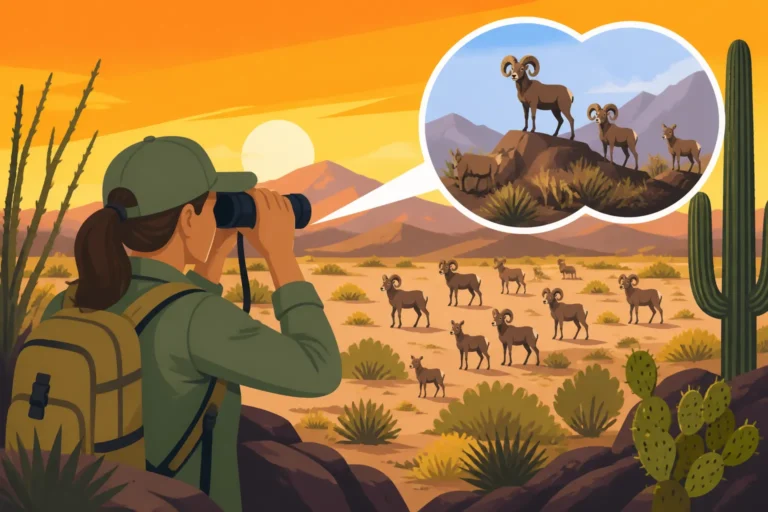
One primary method involves aerial surveys. This often means flying helicopters or fixed-wing aircraft over specific areas, especially in winter when elk are more concentrated and the canopy is less dense. They might use thermal imaging cameras to help detect animals hidden from the naked eye. These surveys are typically flown on a rotating basis across different units, so not every unit is surveyed every year, but over time, they build a comprehensive picture. Another crucial component is ground counts and observations, where biologists and trained volunteers conduct surveys on foot or with vehicles, looking for elk, their tracks, scat, and other sign. The data collected from these efforts is then fed into population models. These models also incorporate data from hunter harvest reports, which provide valuable information on the age and sex ratios of animals taken, success rates, and general distribution patterns. Every time you fill out that hunter questionnaire, you're contributing to the data that helps AZGFD understand and manage the herds. You can often find some of this detailed information, including herd unit management plans and population estimates, on the AZGFD website, offering a fascinating look at Where Arizona Publishes Population Estimates. It's through this careful aggregation and analysis that the department attempts to answer the crucial question of How Biologists Count a Desert Big Game Herd.
Key Factors Influencing Arizona's Elk Numbers
Elk populations are dynamic, always ebbing and flowing in response to a complex interplay of natural and human-influenced factors. Understanding these elements can give you a better grasp of why the numbers change and what it means for hunting opportunities.
Habitat and Environmental Conditions
The health of Arizona's elk herds is intrinsically linked to the health of their habitat. Elk need ample forage, reliable water sources, and secure cover to thrive, and these elements are heavily influenced by environmental conditions. For instance, much of Arizona's prime elk country, like the ponderosa pine forests of the Mogollon Rim and the White Mountains, depends on consistent rainfall and healthy forest ecosystems. Prolonged droughts can severely impact elk, reducing forage quality and quantity, shrinking water sources, and ultimately affecting calf survival and overall herd health. A dry spring means less green-up, and that directly translates to poorer condition for cows going into calving season. Conversely, periods of abundant rainfall can lead to lush feed, better fawn recruitment, and increased survival rates.
Wildfires are another significant factor. While initially destructive, burning vast swaths of habitat, they can often lead to long-term benefits by promoting new growth and opening up dense areas, creating a mosaic of forage and cover that elk can exploit. However, massive, high-intensity fires can sterilize soils and destroy critical thermal cover, taking years or even decades to recover. Understanding How Wildfire Changes Elk Habitat is crucial for appreciating the challenges and resilience of these herds.
Predation and Disease
Nature has its own ways of keeping populations in check, and predation is a natural part of the ecosystem. While mountain lions are typically the most significant predator of adult elk, black bears and even coyotes can impact calf survival, especially during the vulnerable calving season. The presence of apex predators helps ensure the health of the herd by culling weaker or less fit individuals.
Disease can also play a role, sometimes silently and sometimes dramatically. Chronic Wasting Disease (CWD) is a persistent concern, and while Arizona has actively monitored for it, managing its potential spread is a continuous effort. AZGFD has specific protocols for testing harvested animals, and you can learn more about How Chronic Wasting Disease Testing Works on their official resources. Other diseases or parasites, though perhaps less publicized, can also impact herd health and reproductive success, particularly during times of stress from drought or overpopulation.
Management Strategies and Hunting Pressure
The AZGFD plays a proactive role in managing elk populations, with hunting being one of their most powerful tools. Through carefully designed hunt structures and tag allocations, they aim to balance herd numbers with available habitat, prevent overgrazing, and maintain healthy age and sex ratios within the herds. This isn't just about providing hunting opportunities; it's about ecological stewardship.
When you apply for a tag, the number of tags available for a particular unit and hunt code is directly influenced by population estimates, harvest objectives, and desired herd demographics. If a unit's elk population is robust and healthy, more tags might be issued to reduce numbers to carrying capacity, or to target specific age classes. Conversely, if a population is struggling, tag numbers might be reduced significantly or even eliminated for a season to allow the herd to recover. This careful calibration is why checking current regulations and population data, sometimes compiled by resources like GoHunt, is so important each year. Understanding these management strategies helps ensure that Arizona can continue to boast healthy, huntable elk populations for generations to come.
Where Arizona's Elk Herds Roam (and Thrive)
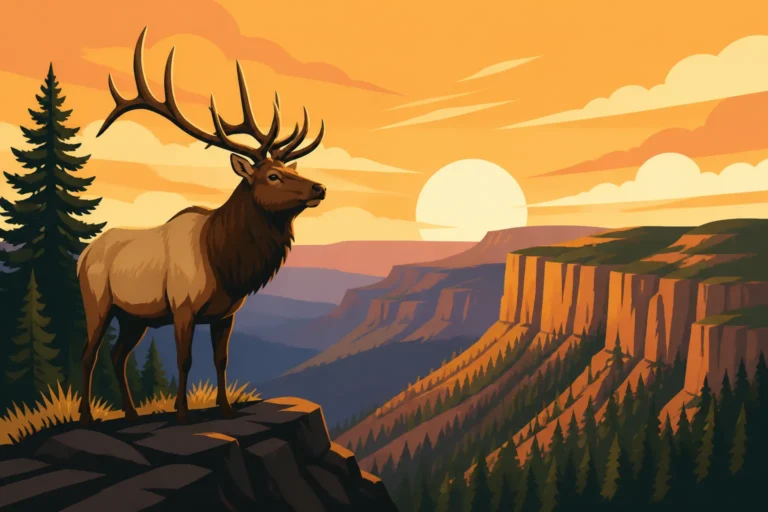
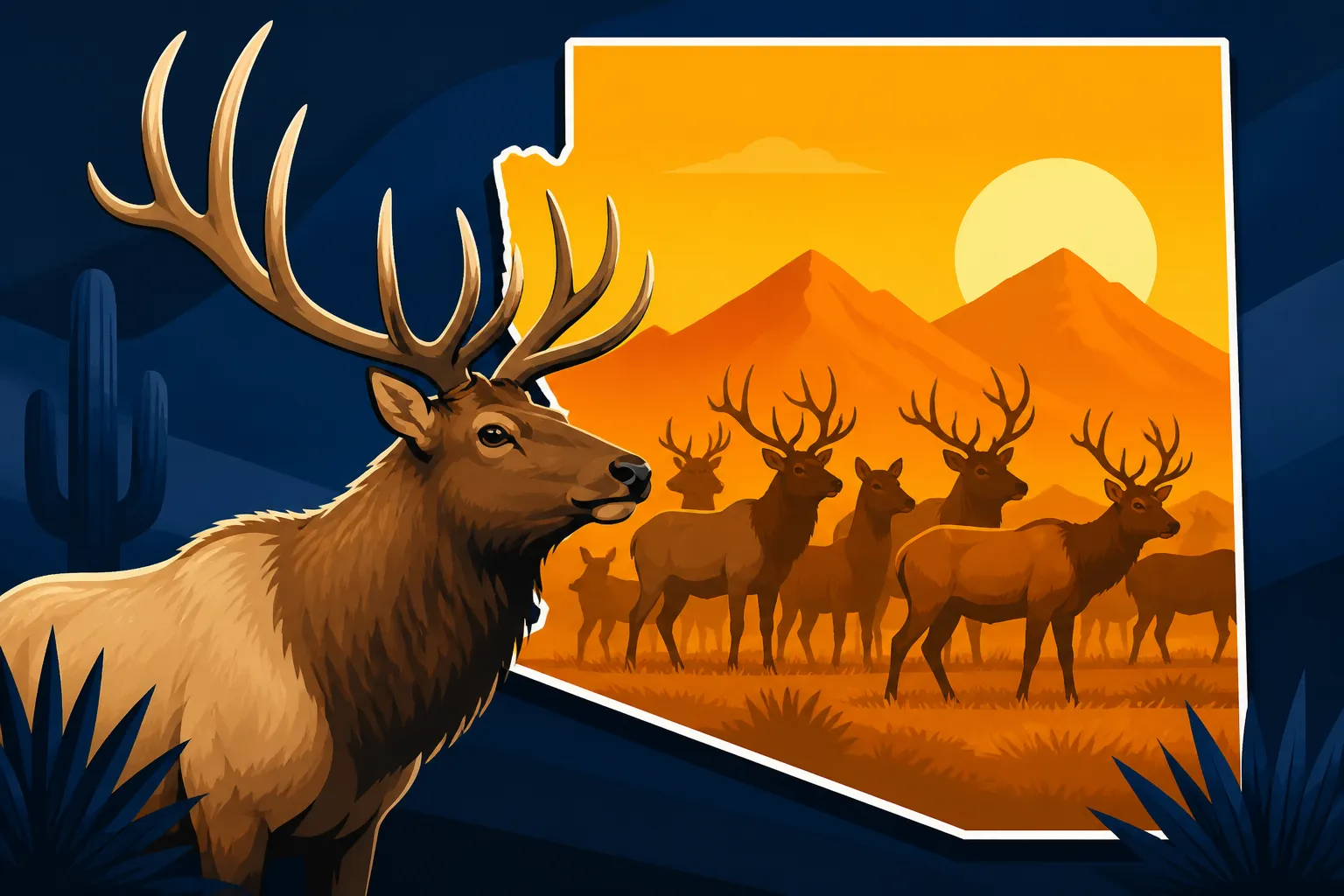
Arizona might be known for its deserts, but it's also home to some truly world-class elk country. These magnificent animals are found predominantly in the higher elevations, where pine forests, mountainous terrain, and consistent water sources create ideal conditions.
Northern Plateaus and the Kaibab
When most people think of Arizona elk, the Kaibab Plateau often comes to mind. Located north of the Grand Canyon, this area is legendary for its massive ponderosa pines and the trophy bulls that inhabit them. The genetics on the Kaibab are truly special, leading to many Boone and Crockett entries over the years, and it's a testament to effective wildlife management over decades. You can read more about what makes this area so special in Kaibab Plateau Elk Genetics. The Kaibab offers vast, contiguous habitat, allowing elk to roam and grow without significant human encroachment in many areas. Beyond the Kaibab, other northern plateau units also hold significant elk populations, offering diverse opportunities from remote wilderness to more accessible forest lands. These areas often experience heavy snowfall, which can push elk to lower elevations during winter, influencing both their distribution and accessibility for hunters.
The Mogollon Rim and White Mountains
Venturing south, the expansive Mogollon Rim is another iconic elk stronghold. This massive escarpment, stretching across central Arizona, provides millions of acres of prime elk habitat, characterized by towering ponderosa pines, mixed conifer forests, and numerous canyons and drainages. The Rim is a mosaic of different habitats, offering everything from dense timber where bulls can hide to open parks where they feed. This region, including areas like Unit 23, is celebrated for its consistent elk numbers and the challenge it presents to hunters. You can dive deeper into this renowned hunting ground by looking into Arizona Elk on the Mogollon Rim.
Further east, the White Mountains region offers similar, if not even higher, elevations and corresponding habitat. Areas like the Apache-Sitgreaves National Forests are critical elk country, providing vast summer ranges and calving grounds. These regions are often characterized by lush mountain meadows interspersed with thick timber, making them perfect for elk to find both sustenance and security. The consistent availability of water, often in the form of natural springs, stock tanks, and intermittent streams, is a major draw for elk in these high-country havens. Learning about Hunting a Stock Tank During Early Archery can be particularly useful in these areas.
Other Notable Elk Regions
While the Kaibab, Mogollon Rim, and White Mountains are the undisputed heavyweights for Arizona elk, smaller, but significant, populations exist in other parts of the state. For instance, some of the higher "sky island" mountain ranges in southeastern Arizona can hold pockets of elk, though these herds are typically much smaller and more isolated. These areas often present unique hunting challenges due to their steep, rugged terrain and smaller elk concentrations. Even some units closer to urban centers might hold surprising numbers of elk, particularly where quality habitat intersects with limited access, allowing herds to flourish relatively undisturbed. These smaller populations contribute to the overall statewide estimate and offer different types of hunting experiences for those willing to do their homework.
Accessing Population Data for Your Hunt Planning
For any serious elk hunter in Arizona, having a grasp of population data isn't just academic curiosity; it's a critical component of successful hunt planning. Knowing where to find and how to interpret this information can make all the difference in drawing a tag and ultimately, filling it.
Utilizing AZGFD Resources
The Arizona Game and Fish Department (AZGFD) is the primary source for official population data. They invest heavily in surveys and research to provide the most accurate estimates possible, and they make a lot of this information publicly available. Your first stop should always be their official website. There, you can often find annual Hunt Draw Information reports, Hunt Success Reports, and sometimes even detailed Herd Unit Management Plans. These documents will provide insights into estimated herd numbers, calf-to-cow ratios (which indicate reproductive success), bull-to-cow ratios (indicating trophy potential and population health), and historical harvest data for specific units. This is where you can truly understand Reading a Herd Unit Management Plan and glean essential details about specific units. Pay close attention to data like Why Fawn Ratios Predict Next Season, as strong fawn recruitment is a good indicator of a healthy, growing herd. It takes a bit of digging, but the wealth of information available directly from AZGFD is invaluable for making informed decisions about where to apply for a tag and where to focus your scouting efforts.
Leveraging Third-Party Tools and Forums
Beyond the official AZGFD data, a vibrant community of hunters and third-party resources can help you synthesize and interpret this information. Websites and platforms like GoHunt specialize in compiling and presenting draw odds, harvest statistics, and population data in user-friendly formats. They often take the raw AZGFD data and add layers of analysis, trends, and even community-sourced information, helping you understand what the numbers truly mean for your chances of drawing a desirable tag. GoHunt, for example, can show you how many points it historically took to draw a certain hunt, or what the success rates have been in a particular unit.
Hunting forums and online communities are also great places to gather anecdotal information and insights from other experienced hunters. While you should always cross-reference any advice with official data, these communities can offer practical tips on specific unit characteristics, access points, and even general elk behavior in certain areas. Combining the robust official data from AZGFD with the analytical tools and community insights from platforms like GoHunt can give you a comprehensive edge in planning your next Arizona elk hunt, whether you're trying to figure out Calling Bulls on Arizona's Mogollon Rim or choosing the Best All-Around Caliber for Desert Elk.
Arizona Elk Population Snapshot
To give you a quick overview, here's a table summarizing some key aspects influencing Arizona's elk population.
| Factor | Impact on Elk Population | Management / Considerations |
|---|---|---|
| Habitat Health | Direct link to forage, water, and cover availability. | AZGFD monitors range conditions, implements habitat projects. |
| Drought Conditions | Reduces forage quality, water sources; impacts calf survival. | Leads to potential tag reductions, water development projects. |
| Wildfires | Initial destruction, long-term habitat improvement possible. | Post-fire monitoring, re-seeding efforts where necessary. |
| Predation | Natural culling, helps maintain herd health; impacts calves. | Monitored by AZGFD; generally not a primary limiting factor. |
| Disease (e.g., CWD) | Potential for localized or widespread herd impact. | AZGFD conducts surveillance, mandatory testing, carcass rules. |
| Hunting Pressure | Regulated through tag allocation to meet population objectives. | Annual draw process, hunt success reporting, tag quotas adjusted. |
| AZGFD Management | Sets population goals, adjusts regulations, conducts research. | Utilizes aerial/ground surveys, hunter data, scientific models. |
Disclaimer
This article is for general informational purposes only and does not constitute professional advice. Laws, prices and regulations vary by location and change over time. Consult a qualified professional for guidance on your specific situation.