Where Javelina Live in the Sonoran Desert
Trying to pin down where javelina actually live in the sprawling, sometimes intimidating Sonoran Desert can feel like looking for a needle in a cactus patch. These fascinating animals are ubiquitous across much of southern Arizona, but knowing exactly where to focus your efforts can make all the difference between a frustrating hunt and a successful one. This guide will walk you through the specific micro-habitats and terrain features that javelina prefer within the Sonoran Desert, helping you understand their patterns and improve your chances of finding them.
The Sonoran Desert's Embrace: General Javelina Range
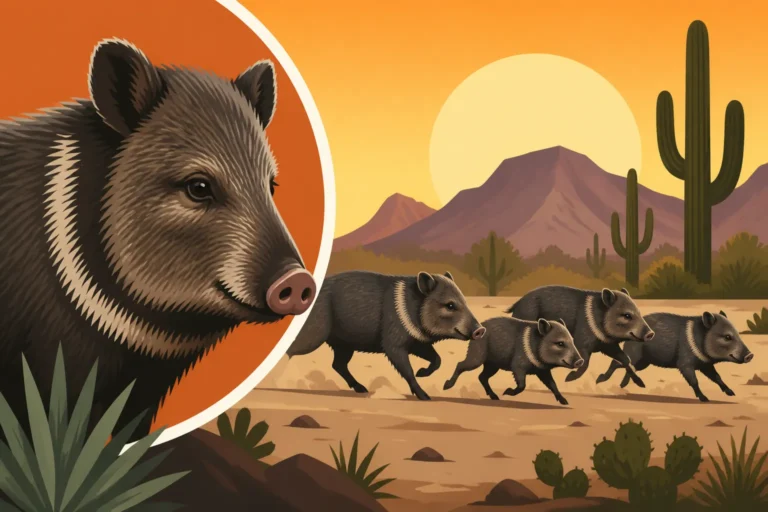
The Sonoran Desert isn't just one monolithic expanse of sand and cactus; it's a diverse ecosystem with a variety of sub-regions, each offering slightly different conditions. Javelina, also known as collared peccaries, have adapted incredibly well to this environment, thriving in areas that often seem harsh and unforgiving to us. Their range essentially covers the southern half of Arizona, extending into New Mexico and down into Mexico. Within Arizona, you'll find them from the outskirts of Phoenix and Tucson, all the way south to the border, and even reaching into some of the slightly higher elevations that transition into other habitat types.
The core of their existence, however, lies squarely within the Sonoran Desert's classic landscape. This means areas characterized by saguaro cactus, palo verde trees, mesquite bosques, and a myriad of other thorny shrubs and grasses. While they are incredibly resilient, they aren't just everywhere randomly. They concentrate in areas that provide a trifecta of essentials: food, water, and cover. Understanding the nuances of these elements across the desert floor is the first step to truly pinpointing their haunts. They're often found in surprising proximity to human development, especially on the fringes of urban areas where the desert habitat still provides refuge.
Geographic Hotspots for Javelina Activity
Within the vast Sonoran Desert, certain geographic areas tend to hold higher concentrations of javelina. These often correspond to mountain ranges that punctuate the desert floor, creating a diverse landscape of washes, canyons, and rocky slopes. Think of places like the mountains surrounding Tucson – the Santa Ritas, Catalinas, Rincons, and the Tumacacoris – or the numerous smaller ranges stretching across the state's southern tier. These elevated areas provide cooler temperatures, more diverse vegetation, and often, more reliable water sources than the flatter, more exposed desert lowlands.
For example, a hunter exploring the rugged terrain of the Coronado National Forest in southeastern Arizona will quickly notice the blend of desert scrub transitioning into oak and juniper zones at higher elevations. This ecotone, where two distinct habitats meet, is often incredibly productive for javelina. They utilize the dense, thorny scrub for bedding and protection during the day, then venture into washes or slightly more open areas to feed, especially in the early mornings and late afternoons. It's a testament to their adaptability that they can thrive in such varied micro-climates, from sizzling desert flats to cool, shaded canyon bottoms.
The Influence of Desert Washes and Arroyos
When you're glassing or walking through the Sonoran Desert, pay close attention to the intricate network of washes and arroyos that crisscross the landscape. These aren't just dry streambeds; they are vital arteries for javelina. Washes offer several critical benefits that make them prime javelina habitat. Firstly, the erosion and deposition of soil along these features create pockets of deeper, richer soil where water collects more effectively after rainfall. This leads to a denser growth of vegetation, including many of the plants javelina love to eat.
Secondly, the banks of these washes, often undercut or lined with thick mesquite, catclaw, or palo verde, provide excellent thermal cover and protection from predators. During the intense heat of a desert day, a herd of javelina can vanish into the shade and tangle of a deep wash, becoming almost impossible to spot without disturbing them. They use these natural corridors as travel routes, moving between feeding grounds, bedding areas, and water sources. Learning to read the topography and identify these critical pathways on a map, perhaps using an e-scouting tool like GoHunt, can be a huge advantage. They also provide natural cover for hunters trying to close the distance on a herd. These aren't just incidental features; they are foundational to how javelina navigate and survive in the desert.
Key Habitat Features Javelina Can't Resist
Javelina are creatures of comfort, and their preferred habitats offer specific characteristics that meet their daily needs. It’s not enough to know they live in the desert; you need to understand the specifics of where in the desert they spend their time. This includes particular types of vegetation, the structure of the terrain, and even the direction of slopes.
Dense Thorny Vegetation and Bedding Areas
One of the most defining characteristics of prime javelina habitat is dense, thorny vegetation. Think about thickets of catclaw acacia, mesquite, palo verde, and cholla. These plants, while a nightmare for humans to navigate, offer javelina unparalleled protection. The dense growth provides concealment from predators like mountain lions and coyotes, and the thorns deter all but the most determined intruders. Javelina will often bed down right in the middle of these thorny sanctuaries, creating small depressions or using existing cover to rest during the heat of the day.
Imagine trying to push through a stand of mesquite so thick you can barely see five feet in front of you, with every step accompanied by the scratch of thorns. That's precisely the kind of place a javelina herd calls home. They don't just use it for bedding; these thickets also provide browse and roots that they forage on. Scouting for these dense, impenetrable patches, particularly on north-facing slopes or in the bottom of deep washes, is a critical strategy. Even if you can't see them, fresh tracks, droppings, or disturbed soil at the edge of these thickets can confirm their presence.
Rocky Outcroppings and Canyon Systems
Beyond the thorny thickets, javelina also have a strong affinity for rocky outcroppings and the complex networks of canyon systems found throughout the Sonoran Desert. These features offer a different kind of protection and opportunity. The broken terrain provides endless nooks, crannies, and small caves or overhangs where javelina can escape the elements, whether it's the scorching sun or a rare winter chill. The rocks also radiate heat, keeping them warmer on cold nights.
Canyon systems, much like washes, serve as natural travel corridors, but with the added benefit of steep, rocky walls that offer elevated vantage points for the animals and additional security. These areas often have different micro-climates, with cooler, shaded slopes and more persistent moisture, leading to a wider variety of vegetation. When you're glassing from a distant ridge, make sure to methodically scan these rocky areas and the mouths of canyons. You might spot a herd emerging to feed or moving between bedding areas. The article, "The Grid Glassing Method, Step by Step", offers an excellent strategy for systematically searching such complex terrain. They're masters of blending into the rock and shadow, so patience and keen optics are your best friends.
Water and Food: Essential to Javelina Survival
Like all wildlife, javelina cannot survive without reliable sources of food and water. While they are incredibly adapted to arid conditions, these resources dictate their distribution and movement patterns, especially as the seasons change. Understanding their dietary needs and how they find water is paramount to locating them.
Water Sources in an Arid Landscape
The Sonoran Desert is famous for its aridity, yet javelina manage to thrive. This is largely due to their ability to extract moisture from the plants they eat, particularly succulent plants like prickly pear and saguaro. However, they still need free water when it's available, especially during the hottest months or if their diet is less succulent. They will frequent natural springs, seeps, stock tanks, and even man-made water catchments. These water sources often become focal points for javelina activity.
During the late summer monsoon season, temporary potholes and puddles can pop up, dispersing javelina across the landscape as they take advantage of these ephemeral water points. However, outside of these wet periods, they will be tied to more permanent water. An experienced hunter knows that finding water in Arizona's dry country can be the key to finding game. Look for signs around these sources: tracks, droppings, and disturbed soil. It's not uncommon to find multiple herds rotating through a good water source, especially in more remote areas. Remember that Arizona has strict rules about hunting over bait, but hunting over a natural or man-made water source that isn't baited is generally permitted. The article, "Sitting Water for Javelina and Deer", can provide more insights into this tactic.
Table: Common Sonoran Desert Plants Javelina Utilize
| Plant Name | Javelina Use |
|---|---|
| Prickly Pear Cactus | Main food source (pads, fruit), moisture |
| Saguaro Cactus | Fruit, pulp (moisture) |
| Palo Verde | Beans, bark, cover |
| Mesquite | Beans, pods, cover |
| Ocotillo | Roots, cover |
| Agave (Century Plant) | Roots, leaves (moisture, nutrients) |
| Beargrass | Roots |
| Catclaw Acacia | Cover, some browse |
| Creosote Bush | Cover (less common for food) |
The Javelina Diet: Cactus, Roots, and More
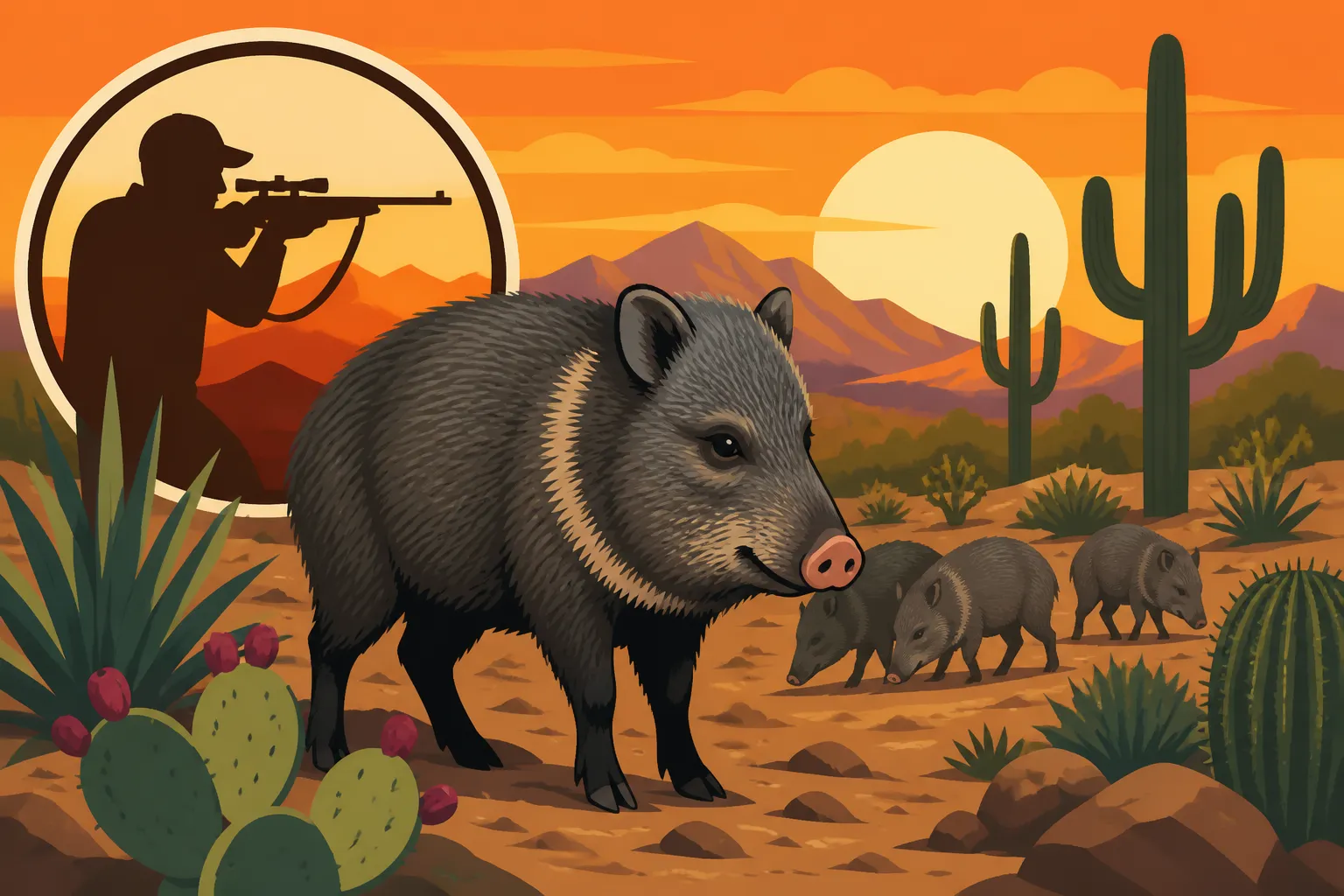
Javelina are omnivores, but their diet in the Sonoran Desert is heavily plant-based. They are particularly fond of succulents, with prickly pear cactus being a primary staple. They've developed thick hides and specialized digestive systems that allow them to consume the pads and fruit of prickly pear, thorns and all. This provides them with both nutrition and crucial hydration, reducing their reliance on open water sources.
Beyond prickly pear, they'll root around for tubers, bulbs, and roots of various desert plants. They'll eat mesquite beans, palo verde pods, and the fruits of saguaro cactus when available. Their rooting behavior leaves distinctive signs: turned-up soil, small excavations around plant bases, and chewed-on cactus pads. These signs are unmistakable clues that javelina are actively feeding in an area. When you combine knowledge of their preferred foods with the terrain features and water sources, you start to paint a complete picture of where these animals will be. Understanding their diet helps explain why they prefer certain parts of the desert, particularly those with a strong presence of these food sources. They're constantly foraging, so fresh feeding sign is an indicator of recent activity.
Applying This Knowledge for Successful Scouting and Hunting
Knowing where javelina live is one thing; using that knowledge to find them during hunting season is another. It requires strategic scouting, keen observation, and often, a lot of glassing. The vastness of the Sonoran Desert can be overwhelming, but by focusing on these key habitat indicators, you can drastically increase your efficiency.
E-Scouting and Topographical Maps
Before you even set foot in the desert, modern tools like GoHunt or similar mapping applications can be invaluable for e-scouting. Use satellite imagery to identify areas with dense, dark green vegetation that might indicate thickets or mesquite bosques. Look for the tell-tale dendritic patterns of washes and arroyos. Pay close attention to topographical lines to find rocky outcroppings, steep canyon walls, and north-facing slopes that offer shade and cover. You can often identify potential stock tanks or natural seeps marked on these maps.
By pre-identifying these features from your computer, you can narrow down vast units into manageable areas of interest. This saves precious time and effort in the field. When scouting, compare what you see on the map with the reality on the ground. Are those dense patches truly thorny thickets? Does that wash have fresh sign? E-scouting allows you to prioritize your physical scouting trips to the most promising locations, rather than blindly wandering. For those looking for specific opportunities, knowing that Units Near Phoenix for Javelina might hold animals, you can then dive into e-scouting those units for these specific features.
Field Scouting for Fresh Sign and Activity
Once you're in the field, it's all about reading the landscape and looking for actual signs of javelina. While glassing for the animals themselves is a primary tactic, especially in the early morning and late evening, don't overlook the importance of fresh sign. Tracks, droppings, and recent rooting are your best indicators that javelina are using an area. Javelina tracks are distinctive, showing small hooves, and their droppings are pellet-like. Their rooting will leave overturned soil and chewed-up prickly pear pads.
Look for areas where game trails converge, particularly leading into or out of dense cover or towards water sources. Pay attention to the distinctive musky odor of javelina; it's a strong, unmistakable smell that can tell you a herd is nearby, even if you can't see them. This strong scent is a key part of how Javelina Herd Behavior and Scent function within their social groups. Spend time sitting and observing, allowing the desert to reveal its secrets. Javelina are often most active during the cooler parts of the day, so focus your intense scouting efforts during those times.
Strategic Glassing and Patience
Ultimately, finding javelina in the Sonoran Desert often comes down to effective glassing and immense patience. Javelina can be surprisingly difficult to spot, even in relatively open country, due to their excellent camouflage and tendency to move slowly and deliberately within cover. Find a good vantage point that overlooks a promising area – a wide wash system, a saguaro-dotted hillside with thickets, or a rocky canyon – and settle in with quality binoculars and a spotting scope.
Methodically grid-search the landscape, paying extra attention to the edges of dense cover, the shaded sides of washes, and any areas with good feeding opportunities. Javelina often appear suddenly, seemingly out of nowhere, as they emerge from their bedding areas. Don't rush your glassing. Spend at least 30-60 minutes in each spot before moving on, letting your eyes adjust and giving any hidden animals time to reveal themselves. When Tracking Javelina Through Thick Cover, remember to also use your ears, as the rustling of a herd moving through brush can often be heard before they are seen. A careful, systematic approach will pay dividends in the long run.
Disclaimer
This article is for general informational purposes only and does not constitute professional advice. Laws, prices and regulations vary by location and change over time. Consult a qualified professional for guidance on your specific situation.