Waterfowl Along the Colorado River
For many, the mention of Arizona hunting conjures images of giant mule deer on the Kaibab or elusive Coues deer in the Sky Islands. What often gets overlooked, though, is the incredible, and sometimes challenging, opportunity for waterfowl hunting, especially along the mighty Colorado River. If you've ever felt that itch to chase ducks and geese amidst a desert backdrop, but weren't sure where to start with Arizona's specific zones and rich river habitat, this guide is for you. We're going to dive deep into what makes the Colorado River a fantastic, albeit unique, waterfowl destination.
The Diverse Waterfowl Habitat of the Colorado River
The Colorado River, carving its way through the arid Arizona landscape, creates an anomaly – a vibrant, verdant ribbon of life. This riparian corridor, contrasting sharply with the surrounding desert, becomes a crucial migratory highway and wintering ground for a surprisingly diverse array of waterfowl. It’s not just a river; it's a complex ecosystem of backwaters, oxbows, marshy fringes, and agricultural fields that draw ducks and geese from across the continent. Understanding this unique habitat is key to unlocking its potential.
A Flyway Through the Desert
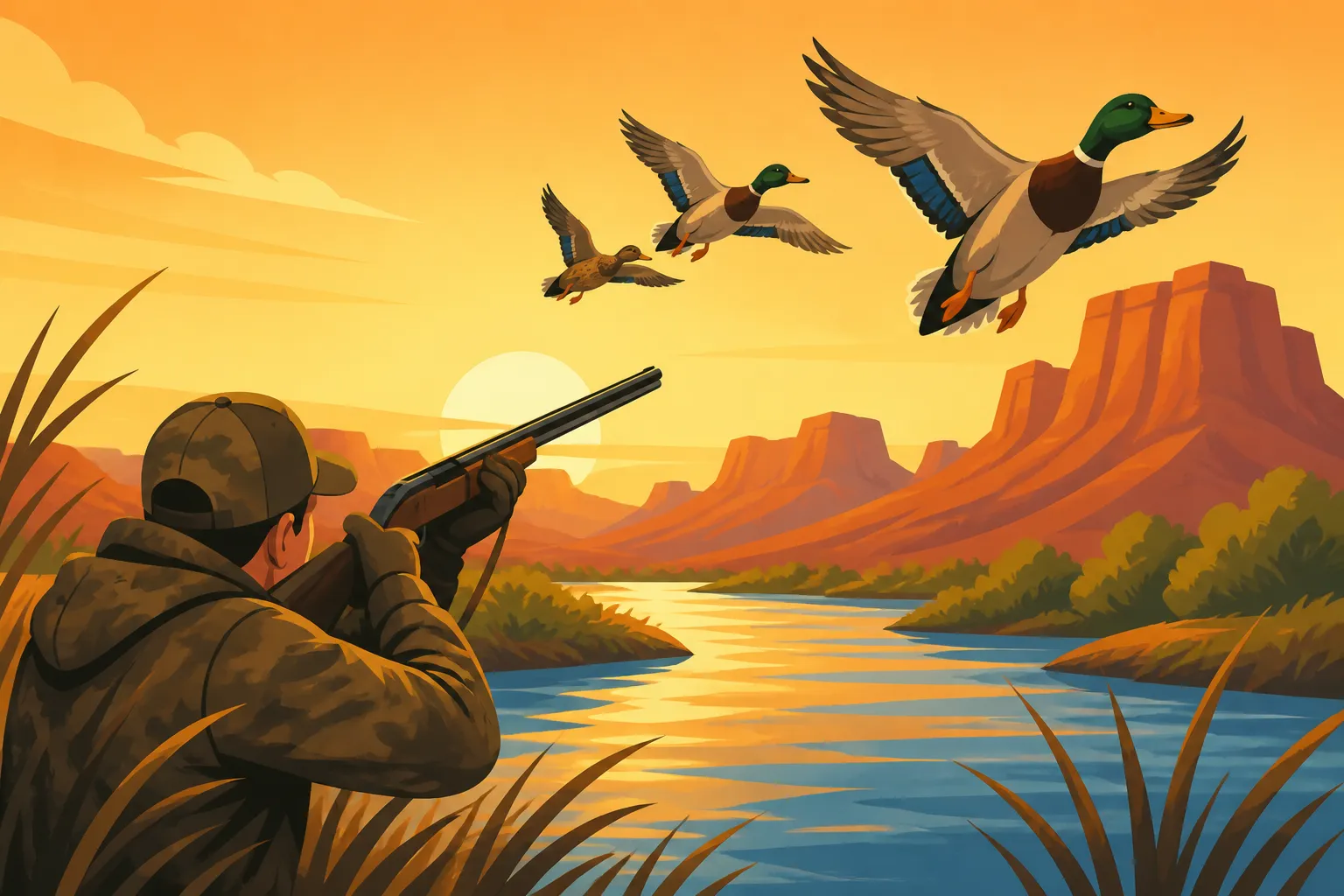
Imagine ducks and geese flying south, seeking refuge from the freezing temperatures up north. They see the vast, shimmering expanse of the Colorado River, a lifeline offering sustenance and shelter amidst the browns and tans of the desert. This river corridor acts as a significant segment of the Pacific Flyway, guiding thousands upon thousands of birds through Arizona each fall and winter. You're not just hunting ducks; you're participating in an ancient migratory spectacle. The sheer volume and variety of birds that utilize this route can be astonishing, from common mallards and green-winged teal to pintails, wigeon, and even canvasbacks making their appearance.
The river's diverse structure, from wide, slow-moving stretches to narrower, faster sections, combined with numerous backwater sloughs and irrigation canals, provides a smorgasbord of options for different species. Some ducks prefer the open water, while others hide in the thick cattails of a quiet backwater. Geese often prefer the adjacent agricultural fields for feeding, returning to the river for roosting. This makes scouting crucial, as birds will shift their patterns based on food availability and pressure.
Identifying Key Species and Their Preferences
Hunting waterfowl on the Colorado River means preparing for a mix of species, each with its own habits and preferences. You'll commonly encounter dabbling ducks like mallards, American wigeon, green-winged teal, and northern pintails. These birds typically feed in shallow water, tipping up to reach vegetation or gleaning seeds from the edges. Then there are the diving ducks such as canvasbacks, redheads, and lesser scaup, which prefer deeper water where they can dive for submerged vegetation and invertebrates.
Geese, primarily Canada geese and sometimes specklebellies (white-fronted geese), will be found roosting on large open water bodies or sandbars in the river, but they'll often fly inland to feed in agricultural fields of alfalfa, wheat, or corn. Understanding these feeding and roosting patterns is vital. For example, setting up on a river bend might be ideal for intercepting dabblers flying to feed, while fields often require a separate setup for geese. Knowing your target species' behavior can dramatically increase your success, and checking information like Arizona Duck Bag Limits by Species helps you plan your hunt ethically and legally.
Navigating Regulations and Public Access on the River
Hunting the Colorado River isn't as simple as just showing up with a shotgun. The river forms a unique boundary, often separating Arizona from California or Nevada, which brings with it a layered set of regulations and distinct public land considerations. Knowing where you can hunt, what permits you need, and the specific rules for waterfowl is paramount to a successful and legal hunt.
The Intricacies of River Boundaries and Jurisdictions
The Colorado River is a dynamic border, and its ever-changing nature can sometimes create confusion for hunters. You might be hunting from the Arizona side, but the bird falls on the California side. Or you might be operating a boat in water that straddles two states. Typically, you need a valid hunting license and waterfowl stamps for the state you intend to hunt from and within. If you plan to retrieve game from the opposite bank, or if your boat crosses into the other state's waters, you often need reciprocal licenses or permits for both states. It’s a situation where "ignorance is bliss" absolutely does not apply, and checking current regulations for both Arizona and the adjacent state is always the safest bet.
Specific zones along the river are managed differently. Some areas are designated as National Wildlife Refuges, which may have limited hunting opportunities or require special permits and follow very strict guidelines. Other areas might be part of Bureau of Land Management (BLM) land or State Trust Land. For State Trust Land, your Arizona hunting license typically acts as your recreational permit, but it's always good to double-check. Using a mapping tool like GoHunt can be invaluable here, as it layers public and private land ownership, as well as state boundaries, directly onto satellite imagery, helping you pinpoint exactly where you are and what rules apply. It helps avoid accidental trespass or jurisdictional headaches.
Licensing, Stamps, and Special Permits
Beyond your basic Arizona hunting license, waterfowl hunting requires a few additional pieces of paperwork. You'll need an Arizona Migratory Bird Stamp, which funds conservation efforts within the state. Additionally, every waterfowl hunter 16 years of age or older must purchase a federal Migratory Bird Hunting and Conservation Stamp, often called a "Duck Stamp." This stamp is a legal requirement nationwide and a significant source of funding for wetland habitat conservation.
Depending on the specific management area along the river, you might also need special permits. For example, some wildlife areas or refuges might require a free permit or have specific check-in/check-out procedures. It's also worth noting that while some species like Sandhill Cranes use the Colorado River corridor, hunting them requires a separate, very limited draw permit. You can find more specific details on these various requirements and season dates by checking the official Arizona Game and Fish Department regulations or a platform like GoHunt that provides a detailed breakdown of regulations by species and unit. Always keep these documents readily accessible while afield, as game wardens patrol the river regularly.
Essential Strategies and Gear for River Ducks
Hunting waterfowl on the Colorado River presents its own set of challenges and demands specific strategies and gear. Unlike hunting small ponds or agricultural fields, the vastness and current of the river, combined with the unique desert environment, require careful planning.
Effective Blind Setups and Decoy Spreads
When hunting ducks on the Colorado River, your blind setup needs to be adaptable. Many hunters utilize boat blinds, which offer mobility and the ability to follow the birds or move with changing conditions. These can be camouflaged Jon boats or larger craft, tucked into natural cover along the bank, or anchored out in open water with ample natural vegetation. Layout blinds on shore might work if you can find suitable cover and the birds are working a specific bank. The key is to break up your outline against the stark desert background. Don't underestimate how well ducks can pick out unnatural shapes, especially with the clear desert air.
Decoy spreads on the river often need to be larger and more dynamic than in smaller water. The sheer size of the river can make a small spread disappear. Consider a mix of species, especially mallards, pintails, and wigeon, if those are common in your area. Motion decoys, like spinning-wing or jerk-string setups, can be incredibly effective at drawing attention on open water, mimicking the commotion of feeding birds. If there's a current, utilizing that to make your decoys swim naturally can be a huge advantage. Pay attention to wind direction, as ducks will almost always land into the wind. Your decoys should be set up to funnel birds into your shooting zone, downwind of your blind. Sometimes, a long line of decoys mimicking a feeding frenzy along a mud flat is all it takes.
Understanding River Dynamics and Waterfowl Behavior
The Colorado River is a living, breathing entity, and its dynamics greatly influence waterfowl behavior. Current, water levels, and even boat traffic can change where birds choose to feed and rest. Early morning might see birds flying from roosting sites to feeding areas, often following the river's course or cutting across bends. Mid-day, they might raft up in large groups on open stretches, feeling safe from predators. Late afternoon, they'll often stage before heading back to roost. Your strategy needs to align with these patterns.
Hunting often involves setting up at strategic choke points, such as narrow sections of the river, bends where birds naturally cut corners, or entrances to backwater sloughs. Knowing the general Arizona Waterfowl Season Dates helps in predicting migratory movements and peak concentrations. Water levels can also be a significant factor. Lower water levels might expose more mud flats, creating new feeding opportunities that weren't there before. Conversely, high water might push birds into flooded vegetation where they feel more secure. This requires careful pre-scouting, maybe even using satellite imagery combined with on-the-ground observation.
Scouting and Timing for Optimal Success
Successfully hunting waterfowl along the Colorado River demands meticulous scouting and an understanding of the best times to be out. It's not just about showing up on opening day; it's about knowing where the birds are, what they're doing, and when they're doing it.
Pre-Season Reconnaissance and E-Scouting
Serious waterfowl hunters know that the hunt often begins long before the season opens. Pre-season reconnaissance, or scouting, is absolutely critical on the Colorado River. Ducks and geese are creatures of habit, but those habits can shift based on food availability, water levels, and hunting pressure. Drive the backroads, launch your boat, and spend time observing where birds are feeding, loafing, and roosting. Look for areas with undisturbed water and accessible food sources. Agricultural fields adjacent to the river are huge magnets for geese and some duck species.
E-scouting tools, such as the detailed satellite imagery and public land maps offered by GoHunt, can provide an incredible advantage. Before you even put boots on the ground, you can identify potential hotspots like oxbows, hidden sloughs, or sections of the river with extensive riparian vegetation that could offer good cover. You can mark potential blind locations, identify access points, and even judge water depth contours from historical satellite images. Overlaying land ownership layers helps ensure you're planning your hunts on legal ground. This kind of E-Scouting an Arizona Unit Before the Season saves countless hours of aimless wandering and allows you to Reading a Unit Before You Ever Walk It with confidence.
Timing Your Hunt: Seasons, Weather, and Migration
Timing is everything in waterfowl hunting. While the Arizona Game and Fish Department sets the general Arizona Waterfowl Season Dates, specific daily weather patterns and the progression of migration play a huge role. Early season might see local birds, but the real influx happens when cold fronts push birds south from their northern breeding grounds. Keep an eye on weather reports, especially for states to the north. A big freeze in Utah or Nevada often means more birds headed your way on the Colorado.
Daily timing is equally important. The first hour of light and the last hour before sunset are often the most productive. This is when birds are most active, flying between roosting and feeding areas. During these peak movement times, calling can be very effective, drawing birds to your decoys. Mid-day hunts can still be productive, especially if you find birds loafing or feeding in a secluded area, but typically require more patience. Pay close attention to the wind, as strong winds can push birds lower and make them harder to decoy, while calm days might require more aggressive calling and movement to attract attention. Remember that Arizona Legal Shooting Hours for Big Game are a good guide for general hunting, but waterfowl will have their own specific legal shooting hours that you must adhere to.
Practical Considerations for River Hunting
Beyond the strategies and regulations, there are some practical aspects unique to hunting the Colorado River that every hunter should keep in mind. From boat safety to retrieving downed birds, preparation can make or break your hunt.
Boat Safety and River Travel
Hunting the Colorado River often means hunting from or with a boat. This brings boat safety to the forefront. The river can have strong currents, unseen obstacles, and fluctuating water levels. Always wear a life jacket, especially when moving, and ensure your boat is properly equipped with all required safety gear, including navigation lights if you'll be operating in low light, a whistle or horn, and paddles. If you're using a motor, have a spare propeller and the tools to change it. Tell someone your float plan and estimated return time. A GPS device can be invaluable, especially in fog or darkness, to navigate back to your launch point. It’s a vast waterway, and getting disoriented is easier than you might think.
Retrieving downed birds on the river can be tricky. A strong current can quickly carry a bird downstream, so swift action is often required. A good retriever dog is an invaluable asset, not just for fetching but for reducing the risk of losing birds in thick cover. If you don't have a dog, a long pole or a boat with a quick, maneuverable motor is essential. Always maintain positive control of your boat and be mindful of other river users, including other hunters, boaters, and even recreational kayakers.
Weather Challenges and Camp Logistics
Arizona's desert climate adds another layer to waterfowl hunting. While the river itself provides moisture, the surrounding environment can still be hot, even into the early waterfowl season. Early season hunts can mean dealing with significant heat, so proper hydration is crucial, as is keeping harvested birds cool. Heat Management on an Arizona Early Season Hunt is not just for big game hunters; it applies to waterfowl too. As the season progresses into winter, temperatures can drop significantly, especially at night, so layering clothing is key. Expect frost on some mornings, followed by sunny, warm afternoons.
If you're planning an overnight trip, consider your camping logistics. Dispersed camping might be allowed on some BLM or Forest Service lands adjacent to the river, but always check local regulations for fire restrictions and specific camping rules. Being self-sufficient with water, food, and shelter is paramount. The Colorado River, while beautiful, is often remote, and help can be hours away. A well-stocked first aid kit and emergency communication device are always wise additions to your gear list.
Disclaimer
This article is for general informational purposes only and does not constitute professional advice. Laws, prices and regulations vary by location and change over time. Consult a qualified professional for guidance on your specific situation.