Arizona Shed Antler Gathering Rules
That post-season itch is real, isn't it? When the big game hunts are officially over, many of us still feel that undeniable pull to the backcountry, especially as spring approaches and the first sheds start hitting the ground. But before you grab your backpack, lace up your boots, and head out on a shed hunting adventure in the Grand Canyon State, it's absolutely crucial to understand the rules around shed antler gathering in Arizona. Trust me, you don't want a well-intentioned day in the woods to turn into a legal headache or, worse yet, negatively impact the very wildlife you appreciate.
Why Shed Antler Gathering is More Than Just a Treasure Hunt
For many of us, shed hunting is far more than just picking up bone. It’s a way to stay connected to the landscape, to continue scouting an area we plan to hunt, or simply to get some much-needed exercise after the holidays. There’s a thrill in finding a piece of a magnificent animal, a tangible connection to the wild that speaks to the cycle of nature. But this passion needs to be tempered with a deep understanding and respect for the rules that protect Arizona's incredible wildlife.
Connecting with the Land Post-Season
Even when your rifle or bow is put away, the urge to be out there, experiencing the quiet solitude of Arizona's diverse landscapes, never really fades. Shed hunting allows you to do just that. You’re walking the same washes, climbing the same ridges, and scanning the same sparse timber where deer and elk spent their winter. It’s a unique form of reconnaissance, letting you observe sign, track travel patterns, and identify bedding areas without the pressure of an open season. You might discover a new watering hole or a hidden pocket of feed that you can file away for next fall. E-Scouting an Arizona Unit Before the Season can give you a great head start, but nothing beats boots on the ground, even if you’re just looking for sheds.
Scouting for Next Season's Success
Think of shed hunting as an extended scouting trip. You’re not just looking for antlers; you're looking for where those antlers were dropped. This tells you where animals spent their winter months, often close to or within their spring and summer ranges. Finding a large shed can indicate a quality animal in the area, offering clues about potential harvest opportunities for the next season. You can learn a lot about herd health and preferred habitat just by observing the sheds you find, or even the ones you don't. It's an invaluable way to keep your hunting skills sharp and your knowledge of a unit fresh.
The Ethics of Respecting Wintering Animals
Arizona winters can be tough, especially for big game. Many deer and elk migrate to lower elevations to escape heavy snows and find forage. These winter ranges are critical for their survival, and disturbing animals during this vulnerable time can have serious consequences. Every step you take, every ridge you climb, could potentially push a stressed animal, forcing it to expend precious energy it needs to make it through until spring green-up. This is where the rules about shed gathering truly intersect with ethical conduct. The state wants to ensure these animals have the peace they need to recover and thrive.
The Foundational Rules for Gathering Shed Antlers in Arizona
Arizona's approach to shed antlers is generally straightforward, but there are some critical distinctions and areas where hunters often get tripped up. The most important thing to remember is the difference between a naturally cast antler and an antler still attached to a skull.
Naturally Shed Antlers: Generally Permit-Free
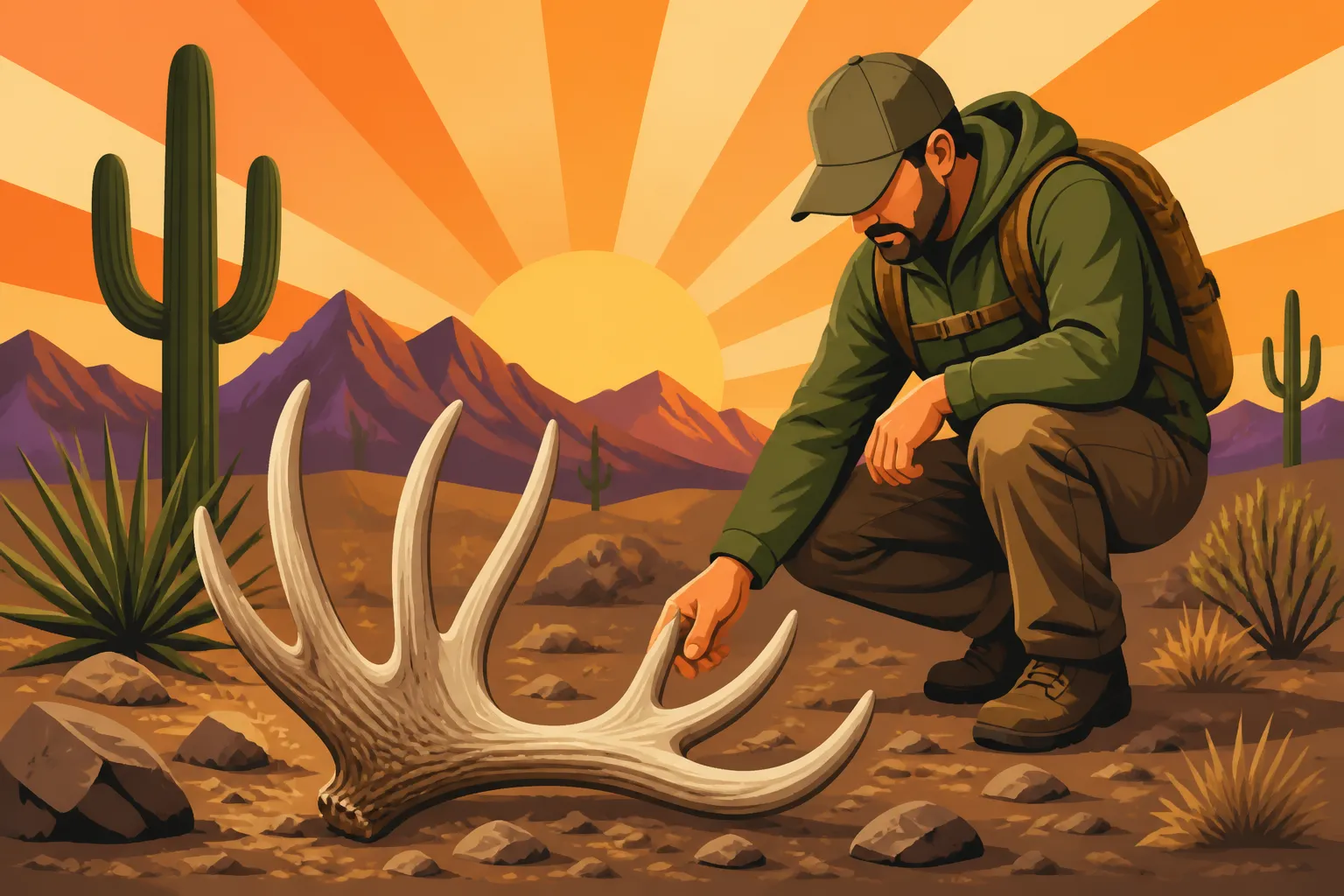
Here's the good news for most shed hunters: in Arizona, you typically do not need a permit to pick up naturally shed antlers. If a deer, elk, or other antlered animal has dropped its antlers on its own, and those antlers are completely detached from the skull, you are usually free to pick them up and take them home. This applies across most public lands, including Bureau of Land Management (BLM) and National Forest lands. This freedom is what makes shed hunting such an accessible activity for so many.
However, "generally" is the key word here. While no statewide permit is required for the act of picking up a shed, you still need to be legally present on the land you're shed hunting. For instance, BLM and Forest Ground Across Arizona Needs No Permit to access, making it great for shed hunting. But if you're on State Trust Land, your current Arizona hunting license typically acts as your recreational permit, but it's always wise to double-check the Arizona State Land Department's specific requirements for activities other than hunting. Arizona State Trust Land Needs a Permit, and Your License Counts for hunting, but sometimes a separate recreation permit is needed if you are not actively hunting. It’s always best to verify the specific requirements for State Trust Lands, as regulations can sometimes shift depending on the activity.
Antlers Still Attached to the Skull: A Different Story
This is where many people make a mistake. If you find an antler that is still attached to any part of a skull, even a small piece of the skull plate, it is no longer considered a "shed antler" in the eyes of Arizona Game and Fish Department (AZGFD). Instead, it's considered part of a deceased animal. Taking antlers attached to a skull without proper authorization is illegal. These items fall under different regulations, and you typically need to report the find to AZGFD.
Why the distinction? Because an attached skull or skull plate indicates a deceased animal. Taking these without a tag or reporting them could be considered possession of game parts from an illegally taken animal, or failure to tag a harvested animal if it was recently killed. It's a critical rule designed to prevent poaching and ensure that all harvested animals are accounted for. If you come across a full skull or skull plate with antlers, it's best to leave it undisturbed and contact the AZGFD to report the find. They can then determine the circumstances and advise you on the proper procedure.
Disturbing Wildlife is a Major No-No
While there isn't a specific "no shed hunting" season for most of Arizona, the overarching principle is that you cannot harass or disturb wildlife while shed hunting. This is a crucial ethical and legal consideration. If you are intentionally or unintentionally spooking deer, elk, or other animals off their wintering grounds, especially during late winter and early spring when they are most vulnerable, you are breaking the law. These animals are often stressed and trying to conserve energy. Forcing them to run, particularly pregnant cows and does, can have dire consequences, leading to miscarriages or simply weakening them to a point where they can't survive.
Avoid actively pursuing or chasing animals to try and make them drop their antlers. Not only is this illegal, it's highly unethical and goes against the spirit of respectful wildlife interaction. The goal of shed hunting is to find what nature has already provided, not to force it.
Navigating Specific Areas and Timing Restrictions
Arizona's vast and varied landscape means that while general rules apply, specific regions might have their own nuanced regulations or even seasonal closures. Knowing these can prevent a ruined trip or a citation.
Land Ownership: It Always Matters
Just like during hunting season, land ownership is paramount when shed hunting.
- Private Land: You absolutely need permission from the landowner to enter private property for any reason, including shed hunting. This is non-negotiable. Trespassing, even for a shed antler, can lead to significant penalties.
- Tribal Lands: Arizona has extensive tribal lands, such as the Navajo Nation or White Mountain Apache Reservation. These lands operate under their own sovereign rules and regulations. State hunting licenses and shed gathering rules do not apply. You cannot enter tribal lands to shed hunt without explicit permission and likely a specific tribal permit, which are often not available for shed collecting. Always know your boundaries.
- Designated Wilderness Areas: While shed hunting is often permitted in wilderness areas on BLM or Forest Service land, motorized vehicles are strictly prohibited. This means you'll be hoofing it, often for considerable distances. Always check the specific wilderness area regulations for any unique rules.
- National Parks/Monuments: Hunting and shed collecting are generally prohibited within the boundaries of National Parks and Monuments. These are protected areas where wildlife and natural resources are strictly managed.
Knowing your public land boundaries is critical. Using reliable mapping software, like those offered by GoHunt, can help you identify land ownership layers and avoid accidentally trespassing. These tools are invaluable for planning your shed hunting routes and ensuring you stay on legal ground.
Potential Seasonal Closures for Winter Ranges
While Arizona doesn't have a broad, statewide shed hunting closure, specific areas, particularly critical winter ranges for elk and deer, may implement seasonal closures. These closures are put in place by agencies like the Forest Service or BLM to protect wildlife during their most vulnerable periods, typically late winter and early spring. These are often units that hold substantial populations of animals like Mule Deer Across Arizona's Northern Plateaus or Elk Country Along the Mogollon Rim.
These closures are generally well-marked with signs at access points and are usually announced by the managing agencies (e.g., specific National Forests or BLM field offices). It is your responsibility to check with the local land management agency for the specific unit or area you plan to visit before heading out. A quick call or a check of their official websites can save you a lot of trouble. Ignoring these closures, even unknowingly, can result in hefty fines. When you're researching potential areas on platforms like GoHunt, look for any alerts or information regarding seasonal access restrictions.
Motorized Vehicle Use Rules
Even if an area is open for shed hunting, you still have to abide by motorized vehicle use regulations. On most National Forests and BLM lands, you must stay on designated roads and trails. Off-road travel is generally prohibited, and even traveling cross-country in a vehicle to pick up a shed is illegal. Always consult a Motor Vehicle Use Map (MVUM) for the area you plan to visit. These maps clearly delineate which roads are open, which are seasonally closed, and which are entirely off-limits. Violating these rules can lead to significant fines and damage to natural resources.
Ethical Considerations and Best Practices for Shed Hunting
Beyond just the letter of the law, true conservation-minded individuals adhere to a strong ethical code when shed hunting. This ensures that the pursuit of antlers doesn't come at the expense of the wildlife or the integrity of the natural environment.
Minimizing Disturbance to Wildlife
The absolute most important ethical guideline for shed hunting is to minimize your disturbance to wildlife. This means:
- Give Animals Space: If you see deer or elk, keep a respectful distance. If they start to change their behavior because of your presence, you're too close. Re-route your path to avoid stressing them.
- Avoid High-Density Wintering Areas: While these areas might seem like prime shed hunting spots, they are also where animals are most vulnerable. Consider focusing your efforts on transition zones or areas animals might pass through, rather than actively pushing into their primary bedding and feeding areas during critical times.
- Consider the Timing: While there aren't many statewide closures, shed hunting early in the season (February/March) in high-elevation areas can be more impactful than later in the spring (April/May) when animals are stronger and moving back to summer ranges. Being aware of the When the Elk Rut Peaks on the Rim or When the Coues Rut Peaks can give you an idea of when bulls and bucks would have typically dropped their antlers.
Respecting the Environment and Other Users
Shed hunting isn't just about finding antlers; it's about appreciating the outdoors. Leave no trace principles apply just as much to shed hunting as they do to any other backcountry activity. Pack out everything you pack in, and leave the landscape cleaner than you found it. Be considerate of other recreationists you encounter, whether they are hikers, birdwatchers, or other shed hunters. Share the trails and the landscape responsibly.
Being Prepared for the Backcountry
Arizona's backcountry can be rugged and unpredictable, even in late winter or early spring. Always go prepared. This means carrying plenty of water, especially when you consider Water You Must Carry on a Day Hunt in the desert. Dress in layers to accommodate temperature swings, carry a map and compass or a GPS device, and let someone know your plans. Cell service can be spotty in many remote areas. A good understanding of Terrain That Hides an Approach in Desert Country or Reading Wind on a Sky Island Stalk can also aid in your safety and success by helping you navigate the landscape more effectively.
Here's a quick reference table for common shed hunting scenarios:
| Scenario | Legal Status in Arizona (Generally) | Important Considerations |
|---|---|---|
| Naturally shed antler (fully detached) | Legal to pick up on most public lands | Land ownership, seasonal closures, minimize wildlife disturbance |
| Antler attached to any part of a skull | Illegal to take without reporting to AZGFD | Contact AZGFD immediately, do not disturb the find |
| Shed hunting on private land | Requires landowner permission | Always ask first; trespassing is illegal |
| Shed hunting on tribal land | Illegal without tribal permit/permission | Tribal lands have separate sovereignty and rules |
| Driving off-road to retrieve a shed | Illegal on most public lands | Stick to designated roads/trails; consult MVUMs |
| Actively pursuing animals to make them shed | Illegal (considered harassment/disturbance of wildlife) | Unethical and can harm vulnerable animals |
| Finding a shed in a designated wilderness area | Legal, but no motorized vehicles allowed | Be prepared for foot travel, check specific wilderness regulations |
Shed hunting is a wonderful way to extend your time in Arizona's magnificent outdoors and connect with its wild inhabitants. By understanding and respecting the Arizona Shed Antler Gathering Rules and embracing ethical practices, you can ensure that this rewarding pursuit remains sustainable for both you and the wildlife we all cherish. Always remember to check the current Reading the Arizona Hunt Regulations Booklet for the most up-to-date information before you head out.
Disclaimer
This article is for general informational purposes only and does not constitute professional advice. Laws, prices and regulations vary by location and change over time. Consult a qualified professional for guidance on your specific situation.