Arizona’s Sky Islands and Where Coues Live
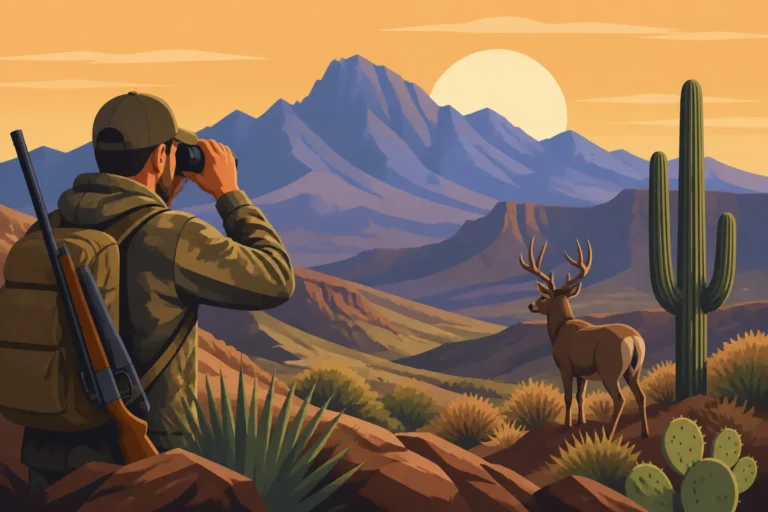
The Sky Islands of Arizona are a world unto themselves, rugged and remote mountain ranges rising dramatically from the Sonoran Desert floor, creating unique oases that beckon adventurous hunters. If you've ever dreamt of pursuing the elusive Coues deer, often called the "gray ghost" of the desert, you know how daunting it can be to locate these small, wary animals in such vast and unforgiving terrain. This guide is your in-depth look at what makes the Sky Islands home to these incredible deer, and how you can approach hunting them successfully in their challenging habitat.
Understanding Arizona's Sky Islands: Oases in the Desert
Imagine driving through endless stretches of cactus-dotted desert, only to see towering, pine-clad mountains suddenly pierce the horizon, appearing almost like islands floating above a sea of heat. That's the essence of Arizona's Sky Islands. These unique ecological zones aren't just pretty scenery; they're critical habitats that create pockets of biodiversity, making them prime territory for a variety of wildlife, especially the Coues deer.
What Exactly Are Sky Islands?
Sky Islands are essentially isolated mountain ranges that rise dramatically from the surrounding desert or grassland "seas." Think of them as high-elevation ecosystems completely cut off from other similar ecosystems by vast expanses of inhospitable terrain. In Arizona, these ranges can climb from a few thousand feet in elevation to over 9,000 or even 10,000 feet, creating distinct climate zones and habitats along their slopes. You'll move from cactus and mesquite at the base, through oak brush and juniper, eventually reaching ponderosa pine, fir, and even aspen forests near the summits. This ecological isolation leads to unique plant and animal communities, some found nowhere else on earth. It's a truly spectacular phenomenon that challenges your preconceived notions of what "desert" hunting might entail.
The geological processes that formed these islands were immense, involving millions of years of tectonic activity, uplift, and erosion. Over time, as glaciers receded and climates warmed, the lower elevations became hotter and drier, effectively "drowning" the mountain ranges in desert. This left cooler, wetter, higher-elevation habitats stranded, much like islands in an ocean. Each Sky Island range has its own character, its own unique set of canyons, ridges, and hidden pockets that wildlife call home, making every scouting trip and every hunt a distinct adventure.
The Climate and Vegetation That Attract Wildlife
The dramatic elevation changes across the Sky Islands lead to equally dramatic shifts in climate and vegetation. As you ascend, temperatures drop, and precipitation increases, particularly during the summer monsoon season. This results in a much more lush and diverse plant community compared to the surrounding lowlands. You’ll find diverse oak woodlands providing abundant acorns, juniper and pinyon pine offering cover and nuts, and higher up, the vast, open forests of ponderosa pine. This vertical stratification of habitat is precisely what makes these areas so attractive to Coues deer.
These different vegetation zones provide year-round resources for deer. In the cooler months, deer might gravitate to lower, sunnier slopes with browse. During the scorching summer, they seek the shade and water found at higher elevations or deep within shaded canyons. The dense canopy of oaks and pines offers critical cover from predators like mountain lions and bears, and also provides thermal regulation, keeping deer cooler in summer and warmer in winter. Moreover, the varied plant life offers a constant buffet of forage, from succulent grasses and forbs after the rains to the dependable mast crops of acorns and berries in the fall.
A Hunter's Perspective on Sky Island Terrain
For the hunter, the Sky Island terrain is both breathtaking and brutally challenging. Expect steep, rocky slopes, thick brush that can seem impenetrable, and countless canyons and drainages. The elevation changes mean you'll be constantly climbing and descending, often over uneven, loose ground. The sheer vastness of these units can be overwhelming, and finding those elusive deer requires exceptional physical conditioning and mental fortitude. It's not uncommon to gain and lose thousands of feet of elevation in a single day, all while carrying your pack and optics.
Access can be tricky, with many areas requiring long hikes away from established roads. Forest Service roads might become impassable after heavy monsoon rains, adding another layer of complexity to your planning. However, this ruggedness is also what preserves the wildness of these areas, keeping hunting pressure lower in many remote sections and allowing deer to reach maturity. Hunters who are willing to put in the effort, embrace the challenge, and spend countless hours behind their glass are often the ones who are rewarded in these mountains. It's a test of skill, patience, and endurance, but the rewards are often unforgettable experiences in truly wild country. Preparing Physically for a Desert Hunt is not just a suggestion here; it's a requirement.
The Elusive Coues Deer: Arizona's Gray Ghost
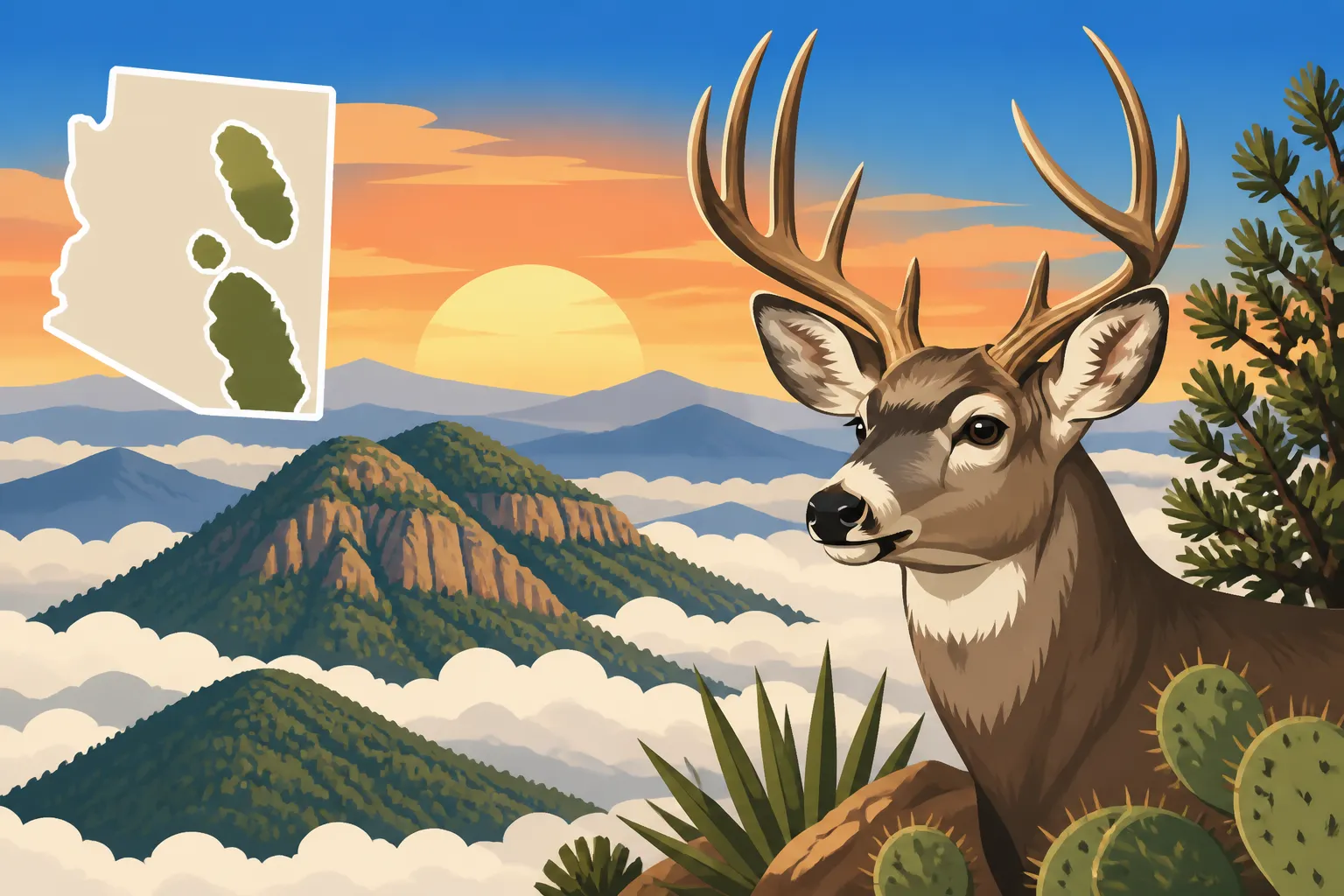
The Coues deer is a subspecies of white-tailed deer, and it's unlike any whitetail you might have encountered elsewhere. Smaller, quicker, and incredibly camouflaged, they have earned their nickname "gray ghost" for a reason. They can appear out of nowhere and disappear just as quickly, melting into the desert and mountain landscape with an almost supernatural ability.
Characteristics and Habits of Coues Deer
Coues deer are considerably smaller than their Eastern whitetail cousins or even Arizona's mule deer. A mature buck might only weigh 100-120 pounds, with does being even smaller, usually around 60-80 pounds. Their coats are a dull grayish-brown, perfectly blending with the rocks, brush, and dried grasses of their habitat. This incredible camouflage, combined with their diminutive size, makes them incredibly difficult to spot, even when they are relatively close. Their large ears, characteristic of many desert-dwelling animals, help them dissipate heat and provide exceptional hearing, making them acutely aware of their surroundings. What Makes a Coues Deer Different isn't just about size; it's about their entire survival strategy in a tough environment.
These deer are masters of evasion. They tend to live in small family groups, often does and their fawns, while mature bucks are more solitary, especially outside of the rut. They are primarily browsers, feeding on a variety of forbs, grasses, and shrubs depending on the season and moisture availability. They are particularly fond of the new growth that emerges after the monsoon rains. Their daily routine often involves feeding during the cooler parts of the day – early morning and late evening – and bedding down in dense cover during the heat of midday. Understanding these habits is crucial because you're unlikely to stumble upon them; you need to hunt them where they want to be.
Why Sky Islands Are Prime Coues Habitat
The unique mosaic of habitats found within the Sky Islands provides everything a Coues deer needs to thrive: diverse forage, abundant cover, and scattered water sources. The elevation gradients allow them to move seasonally or even daily to find optimal conditions. During the brutal summer heat, they can ascend to cooler, higher elevations where dense timber provides shade and fresh browse. In the winter, they might move down to lower, sunnier slopes to escape snow and find more accessible forage.
The rugged topography also plays a vital role in their survival. The countless canyons, draws, and dense oak thickets offer ideal escape routes and bedding cover, making it difficult for predators and hunters to surprise them. The varied plant communities ensure a consistent food supply throughout the year, from fresh green-ups to acorn drops. This diverse and challenging environment, with its built-in refuge areas, allows Coues deer populations to remain healthy and vibrant, offering exciting opportunities for hunters willing to delve into their world.
Identifying Coues Deer Sign in the Mountains
Hunting Coues deer often feels like looking for a needle in a haystack, so being able to identify fresh sign is critical for narrowing down your search. Tracks, though often obscured by rocky ground, can tell you if deer are in the area. Look for smaller, more pointed tracks compared to mule deer, and pay attention to areas near water sources or shaded bedding grounds. Scat will also be small, pellet-like, and found in concentrated areas where deer have been feeding or bedding. Fresh, moist scat is a good indicator that deer are nearby.
Rubs and scrapes are less common than with larger whitetail subspecies, but you might find them, particularly during the rut. Look for small trees or bushes with bark rubbed off, typically by a buck rubbing his antlers. Beds, too, can be hard to spot in the thick brush, but if you find a depression in dense cover, especially on a shaded ridge or in a thicket, it's worth investigating. Always look for sign in conjunction with terrain features—north-facing slopes, saddles, and benches in the middle of canyons often hold deer seeking cover and access to different feeding areas. Combining these ground observations with intensive glassing is key.
Key Sky Island Ranges for Coues Deer Hunting
While Coues deer are found in various parts of southern and central Arizona, some Sky Island ranges are legendary for their populations and hunting opportunities. These aren't just names on a map; they represent specific challenges and unique hunting experiences.
| Sky Island Range | Key Characteristics | Typical Terrain | Hunting Pressure | Accessibility |
|---|---|---|---|---|
| Chiricahua Mountains | Diverse habitats, classic Coues country | Steep canyons, oak brush, pine forests | Moderate to High | Variable, some paved/graded roads, but many backcountry trails |
| Santa Rita Mountains | Accessible, good starting point for new Coues hunters | Rolling hills, thick oak brush, open grasslands | Moderate | Good road access, closer to population centers |
| Huachuca Mountains | Rugged, potential for mature bucks | Very steep, dense cover, high peaks | Low to Moderate | Limited paved access, often requires hiking/ATV |
| Galiuro Mountains | Very remote, wilderness experience | Extremely rugged, deep canyons, thick brush | Low | Primarily foot/horse access, true wilderness |
| Pinaleno Mountains | Highest elevation Coues habitat | Conifer forests, steep slopes, cooler climate | Low | Paved access to higher elevations, but steep hiking |
The Chiricahua Mountains: A Classic Destination
The Chiricahua Mountains, located in southeastern Arizona, are often considered the quintessential Sky Island range for Coues deer. They boast a diverse ecosystem, ranging from desert grasslands at their base to mixed conifer forests at elevations exceeding 9,000 feet. This range offers a fantastic variety of terrain, from open, grassy slopes dotted with oaks to steep, rocky canyons choked with thick brush. The diverse vegetation means there's always something for the deer to eat, and plenty of cover to hide in.
Hunting pressure can vary widely here. Areas closer to main roads will naturally see more hunters, especially during the general rifle seasons. However, the Chiricahuas are vast, and if you're willing to hike deep into the backcountry, you can absolutely find solitude and unpressured deer. The challenges include navigating the maze of canyons and draws, and often dealing with very dense undergrowth, which can make stalking difficult. Success here often comes down to persistent glassing from vantage points, locating a buck, and then figuring out an approach in truly wild country.
The Santa Rita Mountains: Accessibility and Opportunity
The Santa Rita Mountains, south of Tucson, offer a compelling option for Coues hunters, especially those looking for a slightly more accessible experience or those new to Sky Island hunting. While still rugged, some areas feature more rolling hills and open grasslands that transition into oak woodlands, making them a bit easier to navigate than the extremely steep, rocky fortresses of other ranges. Their proximity to a major metropolitan area means they are relatively accessible, with a decent network of Forest Service roads, though many require high-clearance vehicles. Hunting the Santa Rita Mountains can provide a good introduction to this style of hunting.
Despite the accessibility, the Santa Ritas hold a healthy population of Coues deer, and mature bucks are certainly present for those who put in the effort. Hunting pressure can be higher on weekends or during popular seasons, so scouting for less-traveled areas is essential. One strategy is to focus on weekdays or to simply hike further than most other hunters. The dense oak brush can be particularly challenging here, providing incredible cover for deer that allows them to seemingly vanish into thin air. Patience and thorough glassing, even in areas that seem "easy" to access, will be your best allies.
The Huachuca and Galiuro Mountains: Remote and Rewarding
For those seeking a more remote and challenging experience, the Huachuca and Galiuro Mountains offer fantastic opportunities. The Huachucas, located directly on the U.S.-Mexico border, are incredibly steep and rugged, climbing to over 9,000 feet. Access is more limited here, often requiring long hikes on primitive trails or even off-trail navigation. This inherent difficulty, however, means lower hunting pressure and often results in older, larger-antlered bucks for the persistent hunter. The dense cover and intricate canyon systems make these mountains a true test of a hunter's skills.
The Galiuro Mountains are even more remote, largely designated as a wilderness area. This means no motorized vehicles are allowed beyond the wilderness boundary, demanding foot or horseback access. The terrain is extraordinarily rugged, characterized by deep, winding canyons, steep cliffs, and vast expanses of thick chaparral and oak brush. Hunting the Galiuro Mountains for Coues Hunters is a commitment to a true backcountry experience. The reward for enduring these challenges can be an encounter with a mature Coues buck in truly wild and untouched country, far from the crowds. Success in the Galiuros often involves multi-day pack trips, carrying everything you need to survive and hunt effectively in a pristine wilderness environment.
Pinaleno Mountains: High Elevation Hunts
The Pinaleno Mountains, home to Mount Graham, stand as one of Arizona's tallest Sky Islands, offering a unique high-elevation Coues deer hunting experience. While the lower slopes share characteristics with other Sky Islands, the higher elevations are dominated by mixed conifer forests, including spruce and fir, a stark contrast to the desert below. This cooler, moister environment attracts Coues deer, particularly during the warmer months, providing different challenges and opportunities.
Hunting in the Pinalenos often means adapting to denser timber and steeper climbs. While glassing is still important, finding those open windows in the trees can be more difficult, requiring hunters to rely more on still-hunting techniques and tracking. The reward is a hunt in a truly beautiful, often overlooked, high-country setting. The cooler temperatures can also be a blessing for hunters, making physical exertion more manageable, though you'll still need to be prepared for rapid weather changes at higher altitudes.
Strategies for Hunting Coues Deer in Sky Islands
Hunting Coues deer in the Sky Islands demands a specific set of skills and a whole lot of patience. It’s a game of observation, stealth, and resilience. You won't find them standing out in open fields like prairie deer; these animals are masters of concealment.
The Glassing Game: Patience is Paramount
When it comes to Coues deer, glassing isn't just a technique; it's the primary method for finding them. These small, camouflaged deer blend seamlessly into their rocky, brushy habitat, and often the only way to pick them out is by sitting still for long periods and systematically searching every inch of a distant hillside with high-quality optics. You'll spend far more time looking through your binoculars and spotting scope than you will walking. This is where the term "butt time" truly applies. Glassing Grids for Arizona Coues Deer offers a structured approach to this, ensuring you don't miss a thing.
Find a vantage point that offers expansive views of opposing slopes, canyons, and potential bedding areas. Set up your spotting scope on a sturdy tripod and begin to grid-search the landscape. Look for subtle movements, a flicker of an ear, a patch of hide that doesn't quite match the surrounding rocks, or the tell-tale horizontal line of a deer's back against the vertical lines of brush. Heat shimmer can make this challenging, so glass during the cooler parts of the day and always keep an eye out for shaded slopes where deer might be bedded during midday. Good quality optics are not a luxury here; they are a necessity. Optics Power for Arizona's Long Desert Sightlines explains why that extra magnification makes all the difference.
Mastering the Stalk: Closing the Distance
Once you've spotted a Coues deer, especially a buck, the real challenge begins: the stalk. These animals are incredibly wary, and the terrain is often unforgiving, full of loose rock, noisy brush, and challenging elevation changes. A successful stalk requires meticulous planning, extreme stealth, and an understanding of wind, thermals, and topography. Before you move, spend more time observing the deer's behavior, its direction of travel, and any potential escape routes. Plot your course, using every available piece of cover, whether it's a ridge, a wash, or a patch of dense oak brush.
Always play the wind, as a Coues deer's nose is arguably its best defense. Thermals in the mountains will typically rise in the morning and fall in the evening, so understanding these patterns is crucial for your approach. Move slowly, deliberately, and quietly. One misplaced step on a loose rock or a rustle of brush can blow the entire stalk. Often, you'll need to get quite close, especially if you're bowhunting, and that final approach requires incredible patience and nerve. How Far to Stalk a Bedded Coues Buck is often closer than you might think in this dense cover. Be prepared for multiple attempts or for the deer to simply vanish if it senses danger, sending you back to the glassing game.
Gear Essentials for Sky Island Coues Hunting
The right gear can make or break a Sky Island Coues hunt. First and foremost, invest in the best optics you can afford: a high-quality spotting scope (at least 60x power) on a stable tripod, and a pair of good binoculars (10x or 12x are common choices). Your eyes will be your most important tools. Footwear is also critical; sturdy, broken-in hiking boots with excellent ankle support and aggressive tread are non-negotiable for navigating the steep, rocky, and often loose terrain.
Hydration is another key factor. Even in the cooler months, you'll be exerting yourself at elevation, so carry plenty of water or a reliable filtration system. A lightweight, comfortable backpack capable of carrying your gear, optics, extra layers, and potentially meat is essential. Layered clothing is also important, as temperatures can swing wildly from chilly mornings to hot afternoons. Consider durable pants and shirts that can stand up to thick brush. Finally, using a GPS device or mapping app like onX Hunt is crucial for navigation and marking game locations, especially in areas with limited trails or cell service.
Navigating Access and Regulations in Sky Island Units
Hunting in Arizona's Sky Islands means understanding the complex tapestry of land ownership and diligently following state regulations. It's not just about finding deer; it's about respecting the land and ensuring a legal, ethical hunt.
Public Land vs. Private Land: Know Your Boundaries
The Sky Islands are a mix of land ownership types, primarily National Forests (like the Coronado National Forest), Bureau of Land Management (BLM) land, and Arizona State Trust Land. The vast majority of hunting occurs on National Forest and BLM ground, which generally allows public access for hunting without additional permits beyond your valid hunting license. However, State Trust Land is different. While your Arizona hunting license typically acts as your permit for recreational use on State Trust Land, it's always wise to double-check specific regulations and be aware that some activities or areas might require a separate recreational permit. Do You Need a Permit for Arizona State Trust Land? clarifies these nuances.
Private land is also interspersed throughout these units, and respecting private property boundaries is paramount. This is where tools like onX Hunt become indispensable. An app like this, loaded with satellite imagery and detailed land ownership layers, can show you exactly where you are and what type of land you're on, preventing accidental trespass. Always confirm your location, especially when closing in on an animal or crossing a fence line. Reading a Land Ownership Layer Correctly is a skill every Arizona hunter needs. Having this knowledge at your fingertips can save you a lot of headache and potential legal trouble.
Understanding Arizona's Unit Boundaries and Regulations
Arizona's Game Management Units (GMUs) divide the state into specific hunting areas, each with its own regulations, tag allocations, and season dates. The Sky Islands typically fall into several of these units, and it's absolutely critical to know which unit you're hunting in and what the specific rules are for that unit and season. Regulations can vary significantly, from weapon type allowed to specific bag limits or reporting requirements.
Before you ever set foot in the field, meticulously read the current Arizona hunting regulations booklet. Don't just skim it; internalize the rules for your chosen unit and species. Pay close attention to legal shooting hours, blaze orange requirements (if applicable to your season), and any special restrictions on motorized vehicle use. The Arizona Game and Fish Department's website is the official source for this information. Reading the Arizona Hunt Regulations Booklet is a non-negotiable step in your hunt planning. Understanding these rules ensures a smooth and legal hunt, protecting both you and the resource.
Dealing with Seasonal Challenges: Monsoons and Road Closures
The Sky Islands, particularly during late summer and early fall, are susceptible to the intense monsoon season. These powerful thunderstorms can turn dry washes into raging rivers in minutes, cause flash floods, and make dirt roads impassable with deep mud. Planning your hunt around these weather patterns is crucial. A road that was perfectly fine one day might be washed out or require a long detour the next.
Always check local weather forecasts before and during your hunt. Be prepared for sudden changes in weather, including lightning, heavy rain, and even hail at higher elevations. Carry appropriate rain gear and consider having recovery equipment for your vehicle if you plan to access remote areas on dirt roads. Seasonal road closures also affect access, particularly in winter when snow can block high-elevation routes. Be aware of these closures, as they can significantly impact your ability to get to your desired hunting areas or, worse, leave you stranded.
Planning Your Sky Island Coues Deer Hunt
A successful Coues deer hunt in the Sky Islands isn't a matter of luck; it's the result of meticulous planning and preparation, long before you ever pull the trigger or release an arrow.
E-Scouting and Pre-Season Reconnaissance
Modern technology has revolutionized how we scout, and for Coues deer in the Sky Islands, e-scouting is an invaluable first step. Use online mapping tools, satellite imagery, and topographic maps to identify potential glassing knobs, likely travel corridors, water sources, and bedding areas. Look for north-facing slopes, saddles, benches, and areas of diverse vegetation density that offer both food and cover. onX Hunt is excellent for this, allowing you to mark waypoints, measure distances, and understand the terrain from your home.
Beyond satellite images, research historic burn areas, as new growth after a fire can attract deer. Consult resources that provide draw odds and unit information, like GoHunt, to help inform your application strategy if you're not pursuing an over-the-counter tag. Then, if possible, follow up your e-scouting with boots-on-the-ground reconnaissance trips well before the season opens. Even hiking a few key ridges or checking specific access roads can provide invaluable insights that you can't get from a map alone. E-Scouting an Arizona Unit Before the Season can give you a significant advantage.
Physical Preparation for Rugged Terrain
We've touched on this before, but it bears repeating: Coues deer hunting in the Sky Islands is physically demanding. You'll be climbing steep grades, navigating rocky and unstable terrain, and often covering significant distances at elevation. If you are not in good physical condition, your hunt will be miserable and your chances of success will be significantly reduced. Start a rigorous exercise routine months before your hunt, focusing on cardiovascular endurance, leg strength, and hiking with a weighted pack.
Practice hiking up and down hills, mimicking the movements you'll make in the field. Don't underestimate the effects of elevation; even if you're fit at sea level, the thinner air can be challenging. Staying hydrated is also crucial, especially during early seasons when temperatures can still be quite warm. This isn't just about bagging a buck; it's about enjoying the experience safely and being able to perform when the moment of truth arrives.
Draw Odds and Tag Opportunities for Coues Deer
Arizona offers various opportunities for Coues deer, though securing a coveted rifle tag in some of the top units can be challenging, often requiring several bonus points. The state runs a lottery draw system, and understanding the draw odds is a critical part of your planning. Platforms like GoHunt provide detailed draw odds information, helping you make informed decisions about which units to apply for based on your bonus point total and desired hunt experience. Best Units to Draw for Coues Deer will often have tougher odds, but also higher potential for trophy bucks.
However, Arizona is also unique in offering an over-the-counter (OTC) archery deer season for Coues deer, split into early and late windows. This option allows hunters to purchase a tag without going through the draw, making it highly accessible for both residents and non-residents. While OTC archery hunting can present its own challenges, it offers incredible flexibility and provides a fantastic opportunity to hunt these elusive deer. This framework allows hunters to tailor their approach based on their preference for specific weapons, timing, and willingness to accumulate bonus points.
Ethical Considerations and Conservation in Sky Islands
Hunting in Arizona's Sky Islands isn't just about the pursuit of an animal; it's about being a responsible steward of a truly unique and fragile ecosystem. Ethical conduct and a commitment to conservation are paramount in these wild places.
Respecting the Resource and Other Users
The Sky Islands are utilized by a wide variety of people beyond just hunters: hikers, birdwatchers, campers, and scientists all share these special places. As hunters, it's our responsibility to conduct ourselves with respect and professionalism, ensuring that our presence leaves a positive impression. This means practicing "Leave No Trace" principles rigorously: pack out everything you pack in, and perhaps even a little extra trash you find. Avoid damaging vegetation or natural features, and camp in designated areas or follow dispersed camping guidelines carefully.
When encountering other users, be courteous and considerate. Many people may not understand hunting, and our actions can either reinforce negative stereotypes or build bridges of understanding. Keep a low profile, especially when carrying firearms, and always prioritize safety. Leaving the landscape better than you found it, and acting as an ambassador for ethical hunting, helps ensure these areas remain open and accessible for all to enjoy.
Water Sources and Ethical Hunting
In the arid environment of Arizona, water is life, especially in the Sky Islands. Natural springs, stock tanks, and guzzlers are critical for all wildlife, including Coues deer, particularly during dry periods. While hunting near water sources can be effective, it's essential to approach these areas with extreme ethical consideration. Avoid camping directly on or obstructing access to crucial water points, as this can deter wildlife and impact their survival.
Many ethical hunters choose to avoid sitting directly on top of small, vital water sources, especially during early seasons when heat and drought stress animals. If you do hunt near water, do so in a way that minimizes disturbance to the animals and allows them to access the water they desperately need. Understand that water sources, even small ones, are often monitored by trail cameras by both hunters and wildlife agencies. Being mindful and responsible around these precious resources is a cornerstone of ethical hunting in the desert. Water Sources and Ethics in Arizona Desert Hunting provides a deeper dive into these critical guidelines.
Understanding Management Efforts
The health of the Coues deer population and their Sky Island habitat is largely due to the dedicated efforts of wildlife biologists and conservation organizations. The Arizona Game and Fish Department (AZGFD) actively manages these deer populations through scientifically informed harvest quotas, habitat improvement projects, and ongoing research. They analyze population data, harvest success rates, and environmental factors like rainfall and forage availability to make decisions that ensure sustainable hunting opportunities for future generations.
As hunters, our license and tag fees directly contribute to these vital conservation efforts. Taking the time to understand the science behind wildlife management, reading harvest reports, and participating in public input processes helps us appreciate the complexity of maintaining healthy ecosystems. Our role extends beyond the hunt itself to being active participants in the long-term health of these iconic species and their incredible Sky Island homes.
Disclaimer
This article is for general informational purposes only and does not constitute professional advice. Laws, prices and regulations vary by location and change over time. Consult a qualified professional for guidance on your specific situation.