Crossbows Leave Arizona’s Archery-Only Seasons in 2026
The world of hunting regulations can feel like a constantly shifting landscape, and nowhere is that more apparent than with the recent discussions and impending changes surrounding crossbow use in Arizona's archery-only seasons. Many hunters, whether they prefer a traditional vertical bow or a modern crossbow, are feeling a mix of confusion and frustration trying to keep up with what's legal now and what will be legal in the very near future. This comprehensive guide is here to cut through the noise, explaining exactly how and why crossbows will be leaving Arizona's archery-only seasons in 2026, and what that means for every hunter planning their next adventure in the Grand Canyon State.
The Evolving Landscape of Arizona Archery Regulations
It's easy to feel a bit lost when hunting rules change, especially when they touch on something as fundamental as weapon choice. The discussion around crossbows in archery seasons is not unique to Arizona; it's a conversation that's been happening in state wildlife agencies across the country for years. For many, archery hunting represents a specific challenge and tradition, a pursuit that demands close-range skill and deep woods knowledge. The introduction, or removal, of certain tools like crossbows from these seasons naturally sparks passionate debate and necessitates a clear understanding of the 'why' behind the 'what.'
A Historical Look at Crossbows in Arizona
For a long time, crossbows have had a place, albeit sometimes a contested one, within Arizona's hunting regulations. Historically, they've been allowed during general big game seasons, and for a period, even within certain archery-only seasons, under specific conditions. This inclusion was often a reflection of a desire to provide more access to hunting for individuals who might not be able to draw a traditional vertical bow due to age, physical limitation, or other factors. The Arizona Game and Fish Department (AZGFD) has always aimed to balance opportunity with maintaining the integrity and challenge of various hunting seasons. Over the years, we've seen various adjustments, like the specific The 125-Pound Crossbow Draw Weight Arizona Requires or requirements for bolt length, designed to fit crossbows into the broader hunting framework. However, the designation of "archery-only" has become an increasingly focused point of discussion, leading to the current trajectory of regulatory change.
Why Regulations Change: Balancing Access and Opportunity
Regulations rarely change overnight or without significant deliberation. Wildlife agencies like the AZGFD are constantly working to balance numerous factors: hunter participation, resource management, ethical considerations, and the public's perception of hunting. When it comes to crossbows, the conversation often revolves around the definition of "archery" itself, and how technological advancements blur traditional lines. Is a crossbow, with its scope and trigger mechanism, truly in the spirit of a vertical bow's challenge? For some, the distinction is clear; for others, it's about providing more ways for more people to enjoy the outdoors. The decision to remove crossbows from archery-only seasons is a complex one, often driven by public feedback, biological data, and a long-term vision for the future of specific hunt types. It’s a move that aims to redefine and, in many ways, preserve the traditional character of these dedicated archery seasons for those who commit to the vertical bow.
What's Happening in 2026: The Big Shift
The upcoming change is a significant one, and it's essential for all Arizona hunters, especially those who hunt with a crossbow or participate in archery seasons, to understand the exact nature of this shift. This isn't just a minor tweak; it's a reclassification that will fundamentally alter how certain hunts are conducted and accessed. The effective date of January 1, 2026, might seem a ways off, but for planning your future applications and hunts, it’s practically tomorrow. This lead time is given precisely so hunters can adjust, prepare, and understand the new playing field.
The Specifics of Crossbows Leaving Archery-Only Hunts
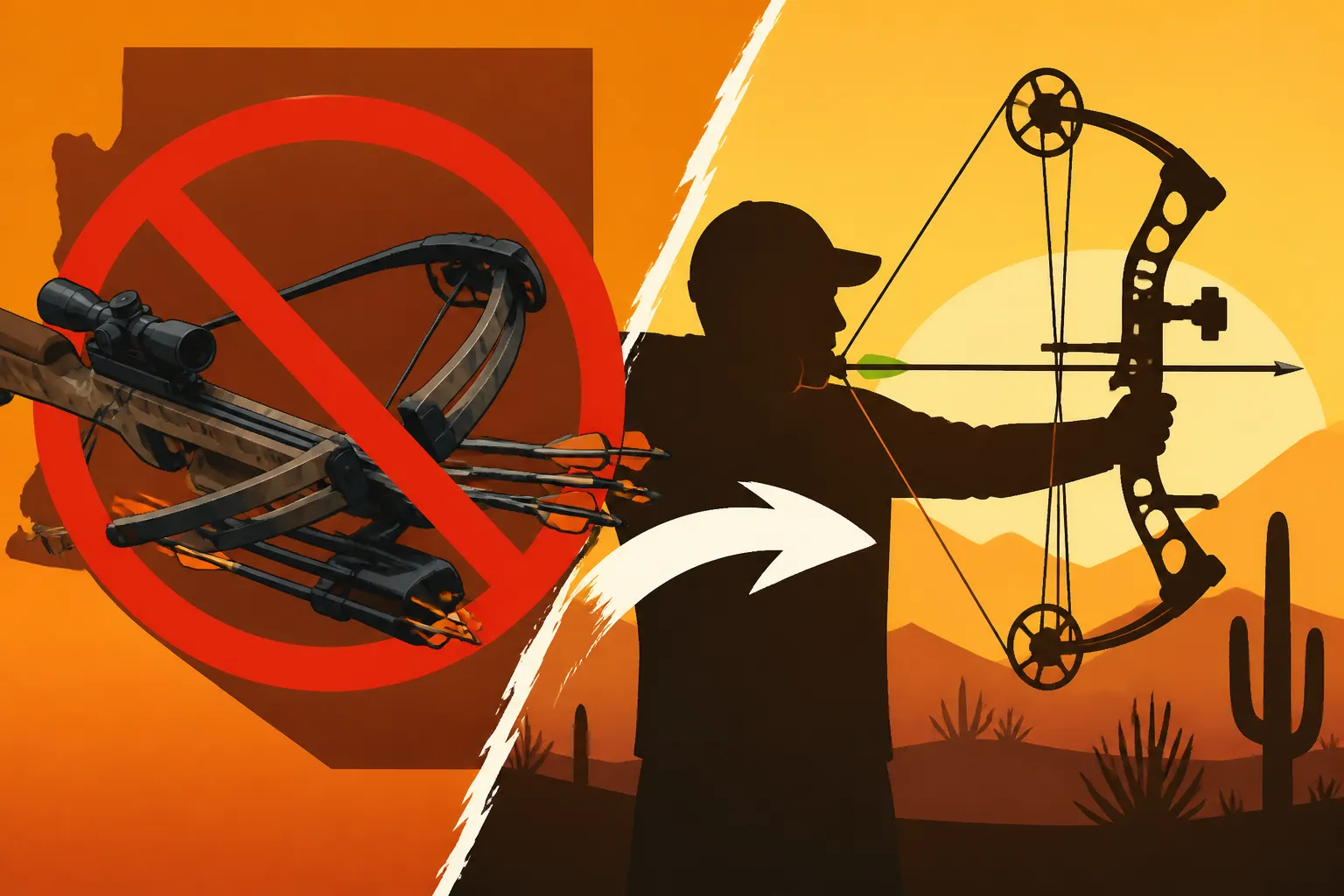
Starting January 1, 2026, crossbows will no longer be permitted during Arizona’s designated archery-only big game seasons. This means that if a hunt is explicitly listed as "archery-only," vertical bows (compound, recurve, and longbows) will be the sole legal weapon. This impacts popular hunts, including much of the beloved five-month How to Hunt Arizona's Five-Month OTC Archery Deer Season and dedicated archery elk seasons. This change is a direct response to ongoing discussions about maintaining the specific "archery" challenge that these seasons are intended to provide. The distinction will now be crystal clear: if you want to participate in a hunt specifically designated as archery-only, you'll need to be using a vertical bow that meets Arizona's draw weight requirements, like the Arizona's 30-Pound Minimum for Vertical Bows. This regulation simplifies the weapon choice for these seasons, drawing a more definitive line for what constitutes "archery-only" in Arizona.
Understanding the Rationale Behind the Change
The decision to exclude crossbows from archery-only seasons wasn't made lightly. The Arizona Game and Fish Commission, after years of discussion and public input, ultimately decided that to preserve the unique challenge and experience of archery-only seasons, the weapon choice needed to align more closely with traditional archery equipment. Proponents of this change often highlight the perceived advantages of crossbows, such as their ease of aiming, longer effective range for some users, and ability to be held at full draw indefinitely, arguing these factors could diminish the challenge associated with traditional archery.
There's also a strong sentiment among a segment of the hunting community that "archery-only" should truly mean "vertical bow only." This helps to define a distinct hunting experience, one that requires specific skills in stalking, shot placement, and understanding animal behavior at very close quarters. The AZGFD frequently reviews regulations to ensure they align with the department's conservation goals, ethical considerations, and the public’s desires, and this change reflects a deliberate effort to clarify and reinforce the identity of archery-only hunts. It’s a proactive step to manage hunter expectations and ensure the integrity of these specialized hunting opportunities moving forward, acknowledging the varied perspectives on hunting ethics and modern equipment.
Impact on Traditional Archery Hunters
For those who have always chosen a compound, recurve, or longbow for their Arizona hunts, this change solidifies the "archery-only" designation in a way that many have advocated for. The feeling among some traditional archers is that the presence of crossbows in these seasons blurred the lines and, in some cases, introduced a different dynamic to the field. Now, with the clarity of the 2026 rule, these seasons will return to a more universally accepted definition of traditional archery.
How Bowhunters Will Experience Archery-Only Seasons Differently
The most immediate impact for traditional bowhunters will be the absence of crossbows in their dedicated seasons. This might lead to a perceived shift in hunting pressure, or at least a change in the type of equipment present in the field. Some argue that without crossbows, the overall experience of pursuing game in archery-only seasons will revert to a more purist form, emphasizing the close-range skill and patience inherent in vertical bowhunting. It could mean feeling less competition from a weapon system that some perceive as having a longer effective range or being easier to master.
Furthermore, this change could potentially influence how many hunters decide to participate in these seasons. Those who previously used a crossbow during archery-only periods might now choose to apply for different hunt types where crossbows are still permitted, or they might make the transition to a vertical bow. This re-sorting of hunters could subtly alter the character of archery-only units, perhaps even affecting success rates as the hunter pool adjusts. Ultimately, the seasons dedicated to traditional archery will have an even stronger identity, fostering a community that shares a passion for hunting with vertical bows under regulations that now strictly support that choice.
The Debate: Fair Chase and Weapon Parity
The discussion around crossbows in archery seasons is deeply rooted in the broader conversation about fair chase and weapon parity. Fair chase is a fundamental principle in hunting, advocating for ethical, sportsmanlike, and lawful pursuit and taking of any free-ranging wild game animal. The debate often centers on whether modern advancements in hunting technology, including crossbows, provide an "unfair" advantage in certain contexts, particularly during seasons traditionally defined by specific equipment limitations.
Many traditional archers feel that the unique challenges of drawing, holding, and releasing a vertical bow are central to the fair chase aspect of archery hunting. They believe that a crossbow, with its ability to be pre-drawn and fired with a trigger, fundamentally alters that challenge. Conversely, crossbow users argue that their equipment still requires significant skill, scouting, and ethical shot placement, and that physical limitations shouldn't exclude them from prime hunting opportunities. The AZGFD's decision, while perhaps not satisfying everyone, reflects an attempt to define and uphold a particular standard of fair chase for specific archery-only seasons. It's an acknowledgement that for these particular hunts, the method of take is as significant as the taking itself, aiming to foster a consistent and predictable environment for all participants in these specialized seasons.
Crossbow Hunters: Navigating the New Rules
For those who rely on a crossbow for their hunting adventures in Arizona, the 2026 changes introduce a new set of considerations. While the exclusion from archery-only seasons is a significant shift, it's crucial to remember that crossbows are not being banned from Arizona hunting altogether. Instead, their use will be re-aligned with other weapon categories or specific permit requirements. This means crossbow hunters will need to be particularly diligent in understanding unit-specific regulations and draw opportunities moving forward.
Where Crossbows Will Still Be Legal in Arizona
The good news for crossbow enthusiasts is that these tools will still be perfectly legal for a substantial portion of Arizona's hunting opportunities. Specifically, crossbows will continue to be permitted during:
- General Seasons: This is the most straightforward category. If a big game hunt is designated as a "general" season, which typically allows rifles, shotguns, muzzleloaders, and bows, crossbows will be allowed. This includes many rifle elk, deer, and javelina hunts.
- Muzzleloader Seasons: Similarly, if you draw a tag for a muzzleloader season, crossbows generally fall under the "any legal weapon" umbrella that often accompanies these hunts. You can learn more about this in our guide on Crossbows in Arizona HAM, Muzzleloader and General Hunts.
- HAM (Handgun, Archery, Muzzleloader) Seasons: For hunts specified as HAM, crossbows will generally still be permitted. These seasons offer broader weapon flexibility than archery-only hunts.
- Over-the-Counter (OTC) Opportunities (outside of archery-only): While crossbows will leave the OTC archery deer season, there may be other OTC opportunities, such as certain javelina seasons, where crossbows remain legal.
It's absolutely vital for every hunter to double-check the specific hunt regulations for their chosen unit and season. The AZGFD hunt regulations booklet is the definitive source, and online platforms like GoHunt provide excellent tools to filter hunts by weapon type, helping you quickly identify hunts where your crossbow can still be your trusty companion. Always confirm the current year's rules, as regulations can still be updated annually outside of this specific 2026 change.
The Importance of a CHAMP Permit for Continued Crossbow Use
While the general rule in 2026 will be "no crossbows in archery-only seasons," there's an important exception: the CHAMP (Challenged Hunter Access/Mobility Permit). This permit is designed to provide reasonable accommodations for hunters with certain qualifying physical disabilities or mobility challenges. If you possess a valid CHAMP permit, you may still be authorized to use a crossbow during archery-only seasons, even after 2026. This allows hunters facing physical limitations to continue participating in hunts that would otherwise be inaccessible with a vertical bow.
The CHAMP permit is not automatically granted; it requires an application process and documentation from a medical professional. If you believe you might qualify, it's highly advisable to research the requirements well in advance and apply. Our dedicated article, The Arizona CHAMP Permit and Archery-Only Seasons, provides a detailed breakdown of who qualifies for a crossbow permit in Arizona and the application steps involved. Obtaining this permit is a critical step for challenged hunters who wish to continue their archery pursuits with a crossbow in those specialized seasons, ensuring that despite broad regulatory changes, accessibility remains a core value for those who need it most.
Planning Your Hunts: Strategies for Bow and Crossbow Users
With these changes on the horizon, proactive planning becomes even more crucial for Arizona hunters. This isn't just about understanding the rules, but about strategizing how you'll approach the draw, select your units, and even adapt your hunting style to align with the new regulatory landscape. Whether you’re a vertical bow purist or a dedicated crossbow user, the smart move is to start thinking about 2026 now.
Adjusting Your Application Strategy for the Draw
The Arizona draw system is already complex, with two distinct cycles—Arizona Runs Two Draw Cycles, February and June—and the Arizona Caps Nonresidents at Ten Percent of Every Hunt creating competitive odds for many species. The 2026 crossbow rule will add another layer to this complexity.
For Vertical Bow Hunters:
You might see some subtle shifts in application numbers for archery-only tags. If crossbow users transition to other hunt types or stop hunting during these seasons, it could theoretically slightly improve draw odds for vertical bow hunters in certain archery-only units. It's a small potential shift, but one worth watching. You should continue to research draw odds diligently using resources like GoHunt's Insider service, which provides detailed data and analysis to help you make informed decisions. Focus on building points and targeting your preferred archery-only hunts, knowing the playing field will be exclusively vertical bows.
For Crossbow Hunters:
Your application strategy will need a more significant overhaul for those who previously applied for archery-only tags with a crossbow. You’ll need to focus your applications on general, HAM, or muzzleloader seasons where crossbows remain legal. This might mean applying for different units or different times of the year than you're used to. It's also an excellent time to consider if pursuing a CHAMP permit is a viable option for you. You may also want to explore applying for species in areas that have more available general or HAM tags, keeping in mind The Arizona Elk and Antelope Application Deadline and similar dates for other species. Utilize advanced mapping tools and draw odds data, perhaps more intensely than ever, to identify the best opportunities where your preferred weapon is still legal.
Scouting and Unit Selection in the Post-2026 Era
Scouting has always been paramount in Arizona hunting, from Glassing Arizona's Sky Islands for Coues Deer to understanding elk patterns on the Rim. The upcoming changes will influence how both vertical bow and crossbow hunters approach unit selection and in-the-field scouting.
For Archery-Only Hunters (Vertical Bows):
Your focus remains on finding prime archery habitat that allows for close-range encounters. This might mean continuing to prioritize units with dense cover, reliable water sources, or terrain features that facilitate stalking. The absence of crossbows could, for some, reinforce the traditional character of these hunts, potentially leading to more deliberate, less pressured game in certain areas if hunter numbers shift. Scouting will still be about understanding game movement, bedding, and feeding patterns to get within ethical vertical bow range. Remember to always understand Reading an Arizona Unit Boundary Before You Apply and where public lands are accessible within your chosen unit.
For Crossbow Hunters:
Your scouting efforts will shift towards units and seasons where crossbows are legal, which may often align with general firearm seasons. This could mean adapting to hunting in environments where game might be more accustomed to hunting pressure from a wider variety of weapons. You'll still focus on finding game, but your strategy might incorporate longer-range glassing (if allowed in general seasons), or understanding how game reacts to general season pressure. For those who obtain a CHAMP permit, your scouting will remain aligned with traditional archery-only tactics, focusing on close encounters within the same specific seasons and units as vertical bow hunters. Regardless of your weapon, thorough e-scouting using satellite imagery and topography maps, combined with boots-on-the-ground reconnaissance, will be indispensable for success.
Understanding Permit Requirements and Deadlines
Navigating the administrative side of hunting, particularly permits and deadlines, can be one of the most stressful parts of the experience. The 2026 crossbow changes only underscore the importance of staying informed and planning well in advance. Missed deadlines or misunderstood permit requirements can mean missing out on an entire season, so it pays to be meticulous.
CHAMP Permits: Who Qualifies and How to Apply
For crossbow hunters wishing to continue participating in Arizona's archery-only seasons after 2026, the Challenged Hunter Access/Mobility Permit (CHAMP) becomes the absolute key. This isn't a general "anyone can get it" permit; it's specifically for individuals with certain permanent physical disabilities or mobility limitations that prevent them from drawing and holding a traditional vertical bow.
Who Qualifies:
Eligibility for a CHAMP permit is outlined in Arizona Game and Fish Department regulations. Typically, it requires a certified medical professional to verify a permanent physical disability that impairs the ability to perform the actions necessary to operate a vertical bow. This might include significant loss of function in an arm or hand, severe joint immobility, or other conditions that meet the specified criteria. The intent is to provide accessibility, not to offer a general workaround for the new crossbow rule. It's vital to review the precise language of the current regulations directly on the AZGFD website or in their annual hunting regulations booklet for the most up-to-date eligibility requirements.
How to Apply:
Applying for a CHAMP permit involves a specific process. Generally, you'll need to fill out an official application form provided by the AZGFD, which includes sections for your personal information and a critical section to be completed by your physician. This medical documentation will attest to your qualifying disability. Once completed, the application, along with any necessary supporting documents, must be submitted to the AZGFD for review and approval. Because this process can take time, it’s highly recommended that potential applicants start this process well in advance of any hunting season deadlines. Don't wait until a week before the draw closes; begin months ahead to ensure everything is processed correctly.
Key Dates and Resources for Staying Informed
Staying on top of Arizona's hunting regulations and application deadlines can feel like a full-time job. With changes like the 2026 crossbow rule, it's more important than ever to know where to find reliable, up-to-date information.
Annual Regulation Booklets:
The primary source for all Arizona hunting rules is the annual Arizona Game and Fish Department Hunting Regulations booklet. This document is released each year and contains all current season dates, bag limits, weapon restrictions, and general hunting laws. You can find this online as a PDF on the AZGFD website, or pick up a physical copy at license dealers across the state. Always download or acquire the current year's regulations, as they supersede previous versions.
AZGFD Website and News Releases:
The official AZGFD website (azgfd.com) is a goldmine of information. Beyond the regulation booklets, they regularly post news releases, public notices, and frequently asked questions sections that address rule changes, draw results, and important updates. It's a good practice to subscribe to their email newsletters or follow their social media channels to receive real-time alerts about regulatory changes or application periods.
Third-Party Hunting Resources:
Reliable third-party platforms, like GoHunt, offer invaluable services for navigating complex draw systems and regulatory changes. GoHunt's Insider membership, for instance, provides detailed draw odds, application strategies, and unit breakdowns, often incorporating regulatory changes like the 2026 crossbow rule into their data analysis tools. They can help you quickly filter for hunts where crossbows are legal, or where CHAMP permits apply. These resources, when used in conjunction with official AZGFD information, can significantly streamline your planning process, ensuring you're always operating with the most accurate and strategic information available. Don't just rely on hearsay; always verify critical details through official channels or trusted, data-driven platforms like GoHunt.
| Hunt Type | Crossbow Legality Before 2026 (Pre-CHAMP Rule) | Crossbow Legality After 2026 (Standard Rule) | Crossbow Legality After 2026 (With CHAMP Permit) |
|---|---|---|---|
| Archery-Only Seasons | Permitted (some specific rules apply) | NOT Permitted | Permitted |
| General Seasons | Permitted | Permitted | Permitted |
| HAM Seasons | Permitted | Permitted | Permitted |
| Muzzleloader Seasons | Permitted | Permitted | Permitted |
| Over-the-Counter (Non-Archery) | Permitted | Permitted | Permitted |
The Broader Implications for Arizona Hunting
A change of this magnitude, while specific to crossbows and archery-only seasons, can have ripple effects throughout the broader hunting community and even impact wildlife management efforts. Understanding these larger implications helps put the regulation into perspective and prepares us for potential shifts in the future.
Potential Shifts in Hunter Demographics and Participation
The exclusion of crossbows from archery-only seasons could lead to several shifts in hunter demographics and overall participation in Arizona.
- Decline in Archery-Only Hunter Numbers: Hunters who primarily used crossbows in these seasons and do not qualify for a CHAMP permit, or are unwilling to transition to a vertical bow, may choose not to participate in these specific hunts anymore. This could lead to a temporary or sustained decrease in the number of applicants for archery-only tags, potentially making draw odds slightly more favorable for vertical bow hunters.
- Shift to Other Weapon Types: Some crossbow hunters may pivot their focus to general, HAM, or muzzleloader seasons where crossbows remain legal. This could increase competition in those draw pools, especially for popular species and units. It might also encourage new interest in learning about other weapon systems.
- Increase in Vertical Bow Hunters: Conversely, some individuals who previously used crossbows might be motivated to learn or re-learn how to shoot a compound, recurve, or longbow to retain access to the valuable archery-only seasons. This could lead to a small but dedicated increase in traditional archery participation.
- Impact on Youth and New Hunters: For some, crossbows represent an easier entry point into archery hunting. If these seasons are now harder to access without a CHAMP permit or significant training with a vertical bow, it could pose a barrier for new or younger hunters interested in the specific challenge of archery seasons. However, Hunter Education Is Required Under 14 in Arizona regardless of weapon, so foundational knowledge remains key.
These demographic shifts are often slow and subtle, but they are an important consideration for the AZGFD as they evaluate the long-term health and participation rates in various hunting programs.
What This Means for Conservation Funding and Management
Hunting license and tag sales are a primary source of funding for state wildlife agencies like the AZGFD, directly supporting critical conservation efforts, wildlife research, habitat management, and law enforcement. Any significant shift in hunter participation can therefore have implications for this funding model.
- Potential Revenue Fluctuations: If the overall number of hunters applying for big game tags decreases due, in part, to these crossbow changes, it could lead to a reduction in license and tag revenue. The AZGFD will closely monitor these numbers to ensure stable funding for their conservation programs. They might need to explore other funding avenues or adjust management priorities if there are substantial drops in participation.
- Data-Driven Management: The AZGFD continuously collects data on hunter numbers, harvest rates, and participation by weapon type. This change provides a distinct data point for how regulations impact hunter behavior and, by extension, game management. They will likely study the effects on hunter pressure in specific units and on specific species to understand if adjustments are needed in future tag allocations or season structures.
- Public Perception and Support: The way these regulations are perceived by the public, both hunters and non-hunters, can influence broader support for hunting and conservation. Clear communication and transparent decision-making from the AZGFD are vital to maintain trust and ensure continued public backing for their conservation mission, which benefits all wildlife in Arizona, not just game species. This continuous process of adaptation and monitoring ensures that Arizona's rich hunting heritage remains sustainable and robust for generations to come.
Looking Ahead: The Future of Arizona's Hunting Regulations
Hunting regulations are rarely static. They are a living framework, constantly adapting to new information, changing environmental conditions, evolving social values, and technological advancements. The 2026 crossbow rule is a clear example of this dynamic nature, but it's certainly not the last change we will see. For hunters, embracing a mindset of continuous learning and engagement is crucial to staying ahead of the curve and actively participating in the future of the sport.
Staying Engaged with Arizona Game and Fish Department
Being an informed hunter means more than just knowing the rules; it means understanding how those rules are made and having a voice in the process. The Arizona Game and Fish Department values public input and often solicits feedback on proposed regulation changes.
- Public Meetings and Workshops: The AZGFD regularly hosts public meetings, often in various locations across the state or virtually, to discuss proposed rule changes, gather input on season structures, and share updates on wildlife management plans. Attending these meetings, or reviewing their summaries if you can't be there, is an excellent way to understand the reasoning behind potential changes and to offer your perspective.
- Online Surveys and Comment Periods: Many proposed regulations go through a formal public comment period, where hunters can submit their thoughts and concerns online. This is a direct way to ensure your voice is heard by the Commission and department staff. Make sure your comments are respectful, constructive, and clearly articulate your reasoning.
- Subscribing to Updates: Signing up for email newsletters from the AZGFD is perhaps the easiest way to stay informed about upcoming meetings, comment periods, and regulation proposals. This ensures you receive timely notifications without having to constantly check the website. By actively participating, you're not just a recipient of rules, but a contributor to the future direction of hunting in Arizona.
The Ongoing Conversation Around Hunting Ethics and Technology
The discussion that led to crossbows leaving archery-only seasons is part of a much larger, ongoing conversation within the hunting community about ethics and technology. As hunting equipment continues to evolve at a rapid pace, wildlife agencies and hunters themselves are constantly grappling with how to integrate new tools while preserving the core values and challenges of fair chase.
- Defining "Traditional" vs. "Modern": The lines between traditional and modern hunting methods are becoming increasingly blurred. What constitutes "traditional archery" or "muzzleloader hunting" when optics, rangefinders, and synthetic materials become commonplace? This debate isn't just about crossbows; it extends to electronic calls, advanced optics, and even e-bikes in hunting areas. Each technological advancement brings new questions about accessibility, ethical challenge, and the spirit of the hunt.
- The Role of Hunter Education: As technology advances, the importance of robust hunter education, beyond just safety, grows. Courses like The Ethically Hunting Arizona Course Earns a Permanent Point emphasize ethical decision-making, responsible behavior, and an understanding of the impact of one's actions on wildlife and the hunting community. This kind of education becomes crucial for fostering a culture where new technologies are used responsibly and within the spirit of fair chase.
- Maintaining Public Trust: Ultimately, the hunting community operates with a social license. To maintain public support and acceptance, it's vital for hunters to engage in these discussions thoughtfully and for agencies to make decisions that are transparent, data-driven, and reflect a commitment to ethical hunting practices. The crossbow decision for 2026 is one step in this continuous dialogue, ensuring that Arizona's hunting traditions continue to thrive while adapting to a changing world.
Disclaimer
Please remember that hunting regulations can change frequently. While this guide provides a comprehensive overview based on current information and announced future changes, it is your responsibility as a hunter to consult the most current official Arizona Game and Fish Department regulations booklet before planning or undertaking any hunt. This article is for informational purposes only and should not be considered legal advice.