Superstition Wilderness Hunting Access
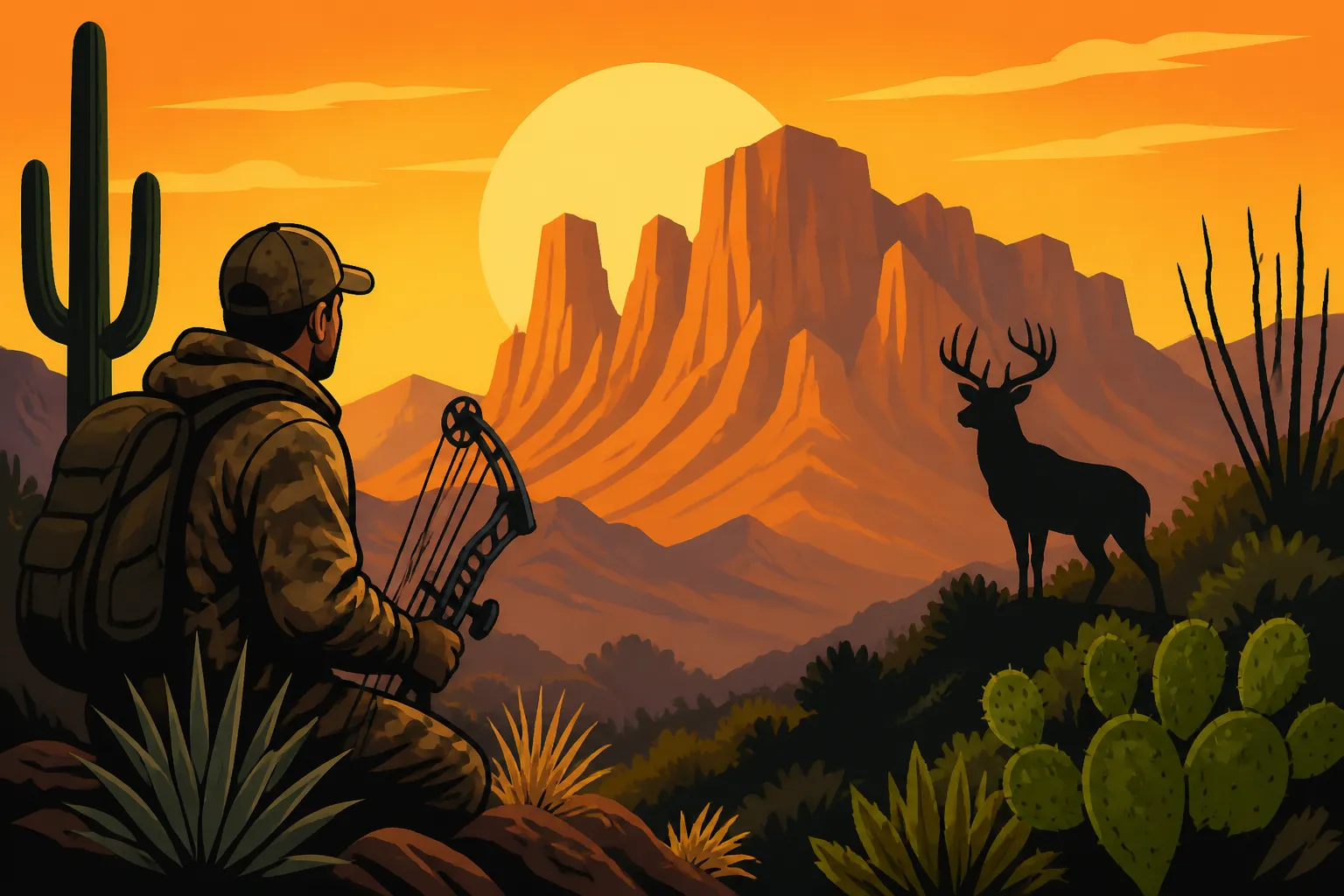
The Superstition Wilderness Area, with its formidable canyons, dense cholla, and towering saguaros, calls to the adventurous hunter. But facing such an iconic, wild landscape can feel overwhelming, especially when you're trying to figure out the specific rules and challenges of getting your boots on the ground and game in the pack. This guide is here to demystify hunting access within the Superstition Wilderness, offering practical advice and setting realistic expectations for tackling this truly wild corner of Arizona.
Understanding the Superstition Wilderness Area
Before you even think about packing a bow or a rifle, it's crucial to understand what makes the Superstition Wilderness "wilderness." This isn't just a big chunk of public land; it's a specially designated area with unique rules and, let's be honest, unique challenges.
What Defines a Wilderness Area in Arizona?
A Wilderness Area, under the Wilderness Act of 1964, is a place where the earth and its community of life are untrammeled by man, where man himself is a visitor who does not remain. In Arizona, like elsewhere, this means a few very specific things for hunters. Firstly, these are vast, roadless areas. You won't find any paved roads, or even dirt tracks suitable for a truck, winding through the core of the Superstitions. This instantly dictates your method of travel: it's either your own two feet or the hooves of a pack animal. This pristine designation is meant to preserve the wild character of the landscape, offering an experience of solitude and challenge that's increasingly rare.
This "untrammeled" philosophy means that mechanized and motorized transport are strictly forbidden. No ATVs, no dirt bikes, no mountain bikes, and certainly no jeeps once you're past the designated trailheads. This is a crucial distinction from much of the general Tonto National Forest Hunting Access where some motorized travel might be permitted on established roads. For the hunter, this translates into a much more physically demanding experience. Every mile you cover, every drop of water, every piece of gear, and every pound of meat you hope to pack out, must be carried by you or your stock. It's an immersive experience, but one that demands significant physical preparation and mental grit.
General Boundaries and Key Entry Points
The Superstition Wilderness sprawls across the Tonto National Forest, generally situated east of the Phoenix metropolitan area, just beyond communities like Apache Junction and Gold Canyon. Its sheer size and ruggedness are impressive, covering approximately 160,000 acres. The boundaries are generally well-marked on official maps, but within those boundaries, the terrain is a labyrinth of steep canyons, jagged peaks, and dense desert vegetation.
Access points are primarily via trailheads ringing the perimeter. On the western side, near Apache Junction, you'll find popular trailheads like Peralta Canyon Trailhead, often the jumping-off point for those aiming for the iconic Weaver's Needle. Other significant access points can be found off Highway 88, particularly near Canyon Lake and Saguaro Lake, with trails like First Water Trailhead leading into the northern and central sections. Each trailhead offers a different flavor of the Superstitions, from vast, open saguaro forests to deep, shadowed canyons. The ruggedness of the terrain means that even short distances on a map can translate into hours of strenuous hiking, making careful planning of your entry and exit points absolutely essential for any hunting trip. Understanding these initial access points is the first step in unlocking the secrets of this formidable hunting ground.
Navigating Hunting Regulations and Access
Hunting in a wilderness area isn't just about finding game; it's about adhering to a stricter set of rules designed to preserve the wild character of the landscape. It requires a thoughtful approach to ensure both a successful hunt and minimal impact.
Permit Requirements and Wilderness Rules for Hunters
The good news for hunters is that, unlike some other special designation areas, hunting within the Superstition Wilderness typically only requires your standard Arizona hunting license and the appropriate tag for the species you're pursuing. You don't need a separate "wilderness permit" to enter or hunt, which simplifies things. However, this doesn't mean it's a free-for-all. All statewide hunting regulations apply, naturally, but the wilderness designation layers on additional restrictions that are critical to understand.
The most significant rules revolve around travel and impact. As discussed, no motorized vehicles are allowed, which extends to electric bikes or anything with a motor. Camping is permitted, but it must be dispersed camping – meaning no designated campsites, no amenities, and a strict adherence to Leave No Trace principles. Permanent camps are absolutely forbidden. This means packing in and out everything, including all your trash, and leaving no trace of your presence. Fires might be permitted in some areas under specific conditions, but it's crucial to check for current fire restrictions, especially during the hot, dry seasons, as these can change rapidly and often involve a complete ban on open flames. The primitive nature of a wilderness hunt means you are entirely self-reliant, and every decision you make, from where you set up camp to how you dispose of waste, has an amplified impact on this fragile environment.
Allowed Hunting Methods and Gear Considerations
Given the restrictions, your hunting methods are inherently limited to what you can accomplish on foot or with pack animals. This typically means still-hunting, glassing and stalking, or setting up at a water source or game trail. For anyone considering the Superstitions, physical fitness is not a suggestion—it's a requirement. You will be covering steep, uneven terrain, often in extreme temperatures, and every step counts. Many hunters opt for ultralight gear setups to minimize the burden. Think lightweight tents, sleeping bags, and cooking systems. Every ounce you carry will feel like a pound by the end of the day.
Water is perhaps the single most critical gear consideration. The Superstitions are notoriously dry, and reliable natural water sources are few and far between, especially outside of the monsoon season. You must plan to carry significant amounts of water, and ideally, a reliable water filter or purification tablets for any intermittent sources you might encounter. Read up on Water You Must Carry on a Day Hunt to understand the demands. Weapon choices will depend entirely on your tag and the season, but regardless of whether you're carrying a rifle, bow, or muzzleloader, consider its weight and maneuverability in dense brush and steep canyons. For many, a compact setup that's easy to carry all day is preferred. This isn't the place for a heavy, long-range benchrest rifle, unless you have a robust plan to carry it. Being Preparing Physically for a Desert Hunt is paramount.
Practical Strategies for Superstition Wilderness Hunters
Hunting in the Superstition Wilderness demands more than just a tag; it requires a strategic mindset, thorough preparation, and a deep respect for the unique challenges this landscape presents.
Pre-Scouting and Map Analysis
The old adage "the more you sweat in peace, the less you bleed in war" perfectly applies to hunting the Superstition Wilderness. Pre-scouting is not just recommended; it's absolutely essential. Since motorized access is out, much of this scouting needs to happen either on foot during dedicated trips, or extensively from your computer screen. Digital mapping tools have revolutionized this aspect of hunting. Platforms like onX Hunt allow you to pour over satellite imagery, topographical maps, and public/private land ownership layers from the comfort of your home. You can mark potential water sources, identify natural funnels and saddles, pinpoint dense bedding areas, and trace possible game trails. This can help tremendously with E-Scouting an Arizona Unit Before the Season.
Understanding the topography is crucial. Look for shaded north-facing slopes where deer might bed during hotter parts of the day, or south-facing slopes that warm up quickly in cooler weather. Identify riparian areas, even if they're typically dry, as they often serve as game corridors. Pay close attention to elevation changes and contour lines, which will give you a realistic idea of the physical demands of a stalk or a pack out. Don't just look at the straight-line distance; consider the vertical ascent and descent involved. Many experienced hunters will spend hours using onX Hunt to drop pins, measure distances, and plan routes, even for areas they've hunted before. This map analysis informs where you might focus your efforts and helps you to truly grasp the challenges involved in Reading Terrain Before You Pick a Camp.
Water Sources and Staying Hydrated
The Superstition Wilderness is a desert environment, and its most precious commodity, water, is often its scarcest. Relying on finding natural water sources can be a gamble, especially during dry periods. While some springs and seeps exist, they can dry up or become unreliable. Hunters must assume they will need to carry the majority of their water, and have a solid plan for replenishment. This might mean caching water beforehand at accessible points just outside the wilderness boundary, or knowing the precise, verified locations of reliable springs (and having backup plans if they're dry).
Beyond simply carrying enough, the ability to purify water is non-negotiable. A high-quality water filter, purification tablets, or a combination of both should be a permanent fixture in your pack. Always filter or treat any water you find, regardless of how clear it looks. Water Sources That Concentrate Arizona Desert Game are also points where game will congregate, so while necessary for survival, they are also prime spots for glassing and hunting. But remember, if you're planning to sit on a water source, you still need to get there with enough of your own water to last the journey and your sit. Hydration is key to preventing heatstroke and exhaustion, which can quickly turn a challenging hunt into a dangerous situation in the remote Superstitions.
Choosing Your Target Species and Seasons
The Superstition Wilderness is home to a variety of big game species, each presenting its own unique hunting challenge in this rugged landscape. The most commonly pursued big game here are Coues deer, javelina, and black bear. Mule deer are present but generally less common than their Coues cousins. Mountain lions are also found here, typically hunted on opportunistic over-the-counter tags.
- Coues Deer: Often called the "gray ghost" of the desert, Coues deer thrive in the dense, brushy canyons and steep slopes of the Superstitions. Their small size and incredible camouflage make them exceptionally difficult to spot, rewarding patient glassing. Early archery seasons can be brutally hot, but also offer the chance to catch deer near sparse water sources. Later rifle seasons, with cooler weather, can be more comfortable but often mean deer are less concentrated. Coues Deer Are Arizona's Signature Whitetail and hunting them here is a true test of a hunter's skill.
- Javelina: These "desert pigs" are perhaps the most accessible big game for a Superstition Wilderness hunt. They travel in herds and have a distinctive musk, making them easier to locate, especially by scent. Javelina seasons often align with Coues deer seasons, allowing for combo hunt opportunities. Their smaller size makes them easier to pack out than a full-grown deer, a significant consideration in this rough country. Javelina Is Arizona's Most Accessible Big Game and finding them in the Superstitions is a truly rewarding experience.
- Black Bear and Mountain Lion: Both predators are present, with bear seasons typically regulated by harvest quotas and lion seasons often open year-round with specific reporting requirements. Hunting these species in the wilderness often involves covering vast amounts of ground or targeting areas with abundant water and prey animals.
Packing out meat is another crucial consideration. Even a Coues deer, small by western deer standards, becomes a heavy burden over miles of uneven terrain. For larger animals like bear or mule deer, multiple trips or the use of pack animals (if you have them and they are accustomed to the terrain) become almost necessary. Field Dressing in Desert Heat is a skill you'll want to master to ensure your meat stays cool and doesn't spoil on a long pack out. The challenges of a long pack out often dictate how far you're willing to venture into the deepest parts of the wilderness.
Dealing with the Rugged Terrain and Navigation
The Superstition Wilderness is not for the faint of heart. Its terrain is a relentless mix of steep, rocky canyons, thick mesquite and acacia thickets, and unforgiving volcanic rock. What looks like a short distance on a map can become an all-day ordeal. Effective navigation is non-negotiable. Beyond traditional maps and compasses (which you should always have as a backup), a reliable GPS device or a smartphone with dedicated hunting apps like GoHunt (often offering detailed maps and unit information) or onX Hunt is crucial. Mark your trailheads, water sources, and any significant landmarks. Don't rely solely on cell service, as it's almost non-existent in much of the wilderness.
Moving slowly and deliberately is key. Rushing can lead to falls, injuries, or getting lost. Pay attention to your surroundings, noting landmarks that can help you retrace your steps. Using washes and draws can sometimes offer easier travel, but they can also be choked with dense vegetation or lead to impassable pour-offs. Always have a plan for how you will return to your vehicle, especially if you venture deep into a canyon or over a ridge. The physical toll of this terrain is immense, so managing your energy is critical. For instance, consider that Packing an Elk Out of Rim Country Alone can be a multi-day ordeal; packing out any animal from the Superstitions, even a javelina, will be a serious effort. Staying oriented and safe is as much a part of the hunt as finding game.
Responsible Hunting and Wilderness Ethics
Hunting in the Superstition Wilderness isn't just about the challenge or the reward; it's about being a responsible steward of a truly wild place. The wilderness designation implies a higher standard of care and impact minimization.
Leave No Trace Principles in Practice
Every hunter entering the Superstition Wilderness should live and breathe the seven principles of Leave No Trace. This means planning ahead and preparing, which we've covered, but also traveling and camping on durable surfaces. Stick to established trails where possible, and when off-trail, spread out to avoid creating new, unofficial paths. Dispose of waste properly: pack out everything you pack in, including spent shell casings, food wrappers, and even biodegradable items like orange peels or apple cores, which can take years to break down in the arid desert and attract wildlife. Human waste should be buried in catholes 6-8 inches deep and at least 200 feet from water sources, trails, and camps.
Minimizing campfire impacts is another critical aspect. If fires are allowed, use existing fire rings or build small, unobtrusive ones. Gather only dead and downed wood that can be broken by hand, and ensure your fire is completely out and cold to the touch before leaving. Respect wildlife by observing them from a distance and never disturbing them, especially during sensitive times like breeding or nesting seasons. This entire philosophy helps ensure that the next hunter, hiker, or wildlife enthusiast experiences the Superstitions as you found them – wild and pristine.
Safety and Emergency Preparedness
Hunting in the Superstition Wilderness means operating in a remote environment where help can be hours or even days away. Safety and emergency preparedness are not optional; they are paramount. Always file a detailed trip plan with someone responsible who knows your route, your expected return time, and your vehicle description. This should include unit numbers, trailheads, and general areas you intend to hunt.
Your emergency kit should be comprehensive. A robust first-aid kit capable of handling everything from snake bites to sprained ankles is essential. Snake Awareness on an August Archery Hunt is not just a good idea, it is critical knowledge for anyone exploring the Superstitions. A personal locator beacon (PLB) or satellite messenger (like an inReach or Spot device) is highly recommended, allowing you to send emergency messages or check in with loved ones even without cell service. Carry enough food and water for at least an extra day or two beyond your planned trip, just in case of unexpected delays. Navigation tools, including a reliable GPS and a physical map and compass, are crucial. Hunting with a partner significantly enhances safety, but if you choose to hunt Hunting Solo Against Hiring a Guide, ensure your preparedness is even more rigorous. Always prioritize safety over the success of the hunt, knowing when to turn back if weather conditions worsen or if you're experiencing physical distress. The Superstitions will always be there for another hunt, but your safety is irreplaceable.
| Consideration | Allowed/Recommended | Not Allowed/Discouraged | Critical Gear |
|---|---|---|---|
| Travel | Foot, Pack Animals (horses, mules) | Motorized vehicles, Mountain Bikes | Sturdy Boots, Pack Frame |
| Camping | Dispersed Camping, Leave No Trace | Permanent Structures, Designated Campsites | Lightweight Tent/Shelter, Sleeping System |
| Water | Carry Ample Supply, Filter/Purify Natural Sources | Rely Solely on Natural Sources | Water Filter, Water Bottles/Bladders |
| Navigation | GPS Device, Topo Maps, Compass, Digital Mapping | Rely Solely on Cell Service, No Backup | GPS Unit, Paper Maps, Compass, onX Hunt app |
| Fire | Small Fires in Existing Rings (Check Restrictions) | Unattended Fires, Large Bonfires, Fire During Bans | Lighter/Matches, Small Stove (for cooking) |
| Waste | Pack it In, Pack it Out (all trash, human waste) | Burying Trash, Leaving Food Scraps | Trash Bags, Trowel (for catholes) |
| Safety | Trip Plan, First Aid, Satellite Messenger, Partner | No Emergency Plan, Hunting Alone without comms | First Aid Kit, PLB/Satellite Messenger (GoHunt often has resources for this) |
Disclaimer
This article is for general informational purposes only and does not constitute professional advice. Laws, prices and regulations vary by location and change over time. Consult a qualified professional for guidance on your specific situation.