Filing a Complaint About an Arizona Guide
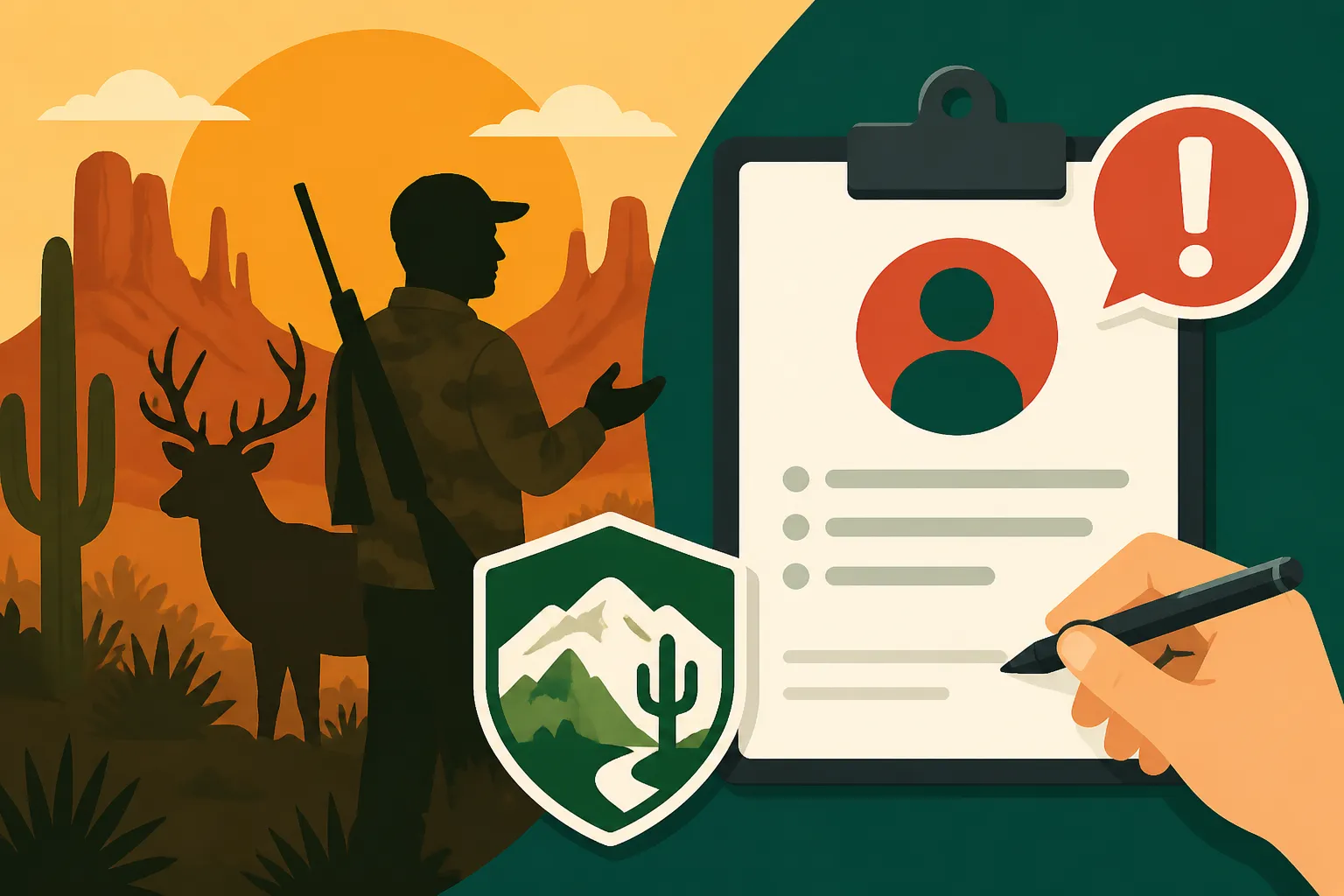
There are few things more disappointing than investing your hard-earned money and precious time into a guided Arizona hunt, only for the experience to fall far short of expectations or, worse, become a frustrating ordeal. When you've put your trust in a professional guide and feel let down, knowing how to address the situation properly is crucial. This guide will walk you through the process of understanding what went wrong, what constitutes a valid complaint, and how to file a formal complaint against an Arizona hunting guide with the appropriate authorities.
Understanding What Constitutes a Valid Complaint Against an Arizona Hunting Guide
When a guided hunt goes south, it's easy to feel a mix of frustration, anger, and disappointment. However, not every negative experience warrants a formal complaint to the state wildlife agency. It’s important to distinguish between minor inconveniences or the inherent unpredictability of hunting, and genuine grievances that fall into legal or ethical violations. Understanding these distinctions is the first step in deciding how to move forward.
Breach of Contract and Misrepresentation
At its core, a guided hunt is a service agreement, often with a written contract, but sometimes with a clear verbal understanding. A breach of contract occurs when the guide fails to deliver on the specific services they promised. This isn't just about whether you bagged an animal, but whether the guide provided the agreed-upon effort, equipment, access, and professional conduct. For example, if your contract specified a full five days of hunting with a fully equipped camp and the guide cut the hunt short or failed to provide essential amenities, that's a breach.
Misrepresentation, on the other hand, involves a guide making false statements or exaggerations to entice you to book their services. This could range from guaranteeing a trophy animal – a major red flag in the hunting world – to claiming exclusive access to a prime hunting area that they don't actually possess. When a guide paints an unrealistic picture of the hunt's prospects or their own capabilities, especially when hunters are investing heavily, it becomes a significant concern. This is particularly frustrating for non-residents who pay substantial fees and may only get a small portion of available tags, as Arizona Caps Nonresidents at Ten Percent of Every Hunt.
It's crucial to remember that hunting success is never guaranteed. No ethical guide can promise you a kill. The essence of a contract breach or misrepresentation in guiding is about the guide's failure to provide the promised service and effort, not merely the absence of an animal on the ground. If the guide genuinely tried their best within the agreed-upon parameters but the animals simply didn't cooperate, that's a tough pill to swallow but likely not grounds for a formal complaint to the Arizona Game and Fish Department (AGFC).
Unsafe Practices or Negligence
Safety should always be the top priority on any hunting trip. Any actions or inactions by a guide that endanger you, other members of the hunting party, the public, or even the guide themselves, are serious matters that warrant immediate attention. This includes improper handling of firearms, operating vehicles or ATVs recklessly, failing to provide crucial safety briefings, or neglecting to ensure that all hunters in the party understand and adhere to basic safety protocols.
Negligence can also extend to other critical areas of the hunt. This might involve failing to make reasonable and diligent efforts to recover wounded game, which is not only an ethical failing but can sometimes border on a legal violation depending on the specific circumstances and local regulations. Furthermore, issues like hunting outside of legal shooting hours, as detailed in Arizona Legal Shooting Hours for Big Game, or trespassing on private land without permission, fall under unsafe and illegal practices that jeopardise everyone involved.
These types of complaints are often taken very seriously by wildlife agencies because they directly impact public safety and the reputation of the hunting community. If you ever feel your safety was compromised due to a guide's negligence or reckless behavior, documenting the specific incidents with dates, times, and descriptions is paramount. This isn't just about a bad hunt; it's about protecting lives and upholding responsible hunting standards.
Ethical Violations and Poaching Concerns
This category represents the most severe types of complaints you could have against a guide, as they often involve illegal activities that directly harm wildlife and undermine conservation efforts. Ethical violations frequently cross the line into poaching. Examples include a guide encouraging or participating in hunting out of season, exceeding bag limits, using illegal methods or weapons, or hunting in areas where it's prohibited, such as Hunting Boundaries Around National Parks or private land without permission.
If you suspect a guide is involved in poaching or any other blatant violation of wildlife laws, this transcends a mere customer service issue; it becomes a direct report to law enforcement and the Arizona Game and Fish Department. You have a moral and legal obligation to report such activities. This might include instances where the guide attempts to harvest an animal without a valid tag, tries to hide an illegal kill, or manipulates hunt conditions to gain an unfair or unlawful advantage.
It's also important to understand your own liability. As a client, knowingly participating in illegal hunting activities, even if encouraged by a guide, can lead to serious legal consequences for you as well. Always familiarize yourself with Arizona's hunting regulations, and if something feels wrong or illegal, do not participate. The integrity of hunting depends on adherence to laws and ethics, and guides are expected to be stewards of these principles. Reports concerning The Meat Salvage Requirements for Big Game are also vital.
The Arizona Game and Fish Department's Role in Guide Oversight
The Arizona Game and Fish Department (AGFC) plays a pivotal role in regulating hunting activities within the state, which naturally extends to the oversight of professional hunting guides. They are the primary authority responsible for licensing guides, establishing the rules by which they operate, and investigating complaints that fall within their jurisdiction. Understanding AGFC's scope and limitations is key to knowing what to expect when you file a complaint.
Why AGFC Takes Guide Complaints Seriously
AGFC views licensed hunting guides as representatives of the state's hunting community and vital partners in wildlife conservation. A guide's actions directly reflect on the integrity of Arizona hunting as a whole. When a guide acts unethically, illegally, or negligently, it not only jeopardizes the safety of their clients but can also tarnish the reputation of the sport and the state's wildlife management efforts. This is why AGFC takes these matters with the utmost seriousness.
The department has a vested interest in ensuring that all licensed professionals uphold a high standard of conduct. They work to protect both the wildlife resources and the hunting public from unscrupulous or incompetent operators. By investigating complaints and taking appropriate action, AGFC helps maintain public trust, ensures fair chase principles are followed, and supports the efforts of the many reputable guides who operate legally and ethically in Arizona. Their diligence safeguards the future of hunting for everyone.
Furthermore, consumer protection is an underlying concern. While AGFC isn't a civil court, they recognize that hunters invest significant time, money, and emotional energy into guided hunts. Preventing fraud, unsafe practices, and illegal activities helps protect these investments and ensures that hunters can pursue their passion with confidence, knowing that a regulatory body is watching over the professional sector. This vigilance helps foster a healthy and respected guided hunting industry in Arizona.
Limitations of AGFC's Authority
While AGFC wields considerable power in enforcing wildlife laws and regulating guide licenses, their authority isn't boundless. Primarily, AGFC's jurisdiction is focused on violations of game laws, hunting regulations, and specific statutes governing guide licensing and conduct. This means they are well-equipped to investigate matters like poaching, hunting out of season, unsafe firearm practices, or operating without a valid guide license.
However, AGFC generally does not act as an arbitrator for purely civil or contractual disputes that don't involve a violation of game laws. For example, if your complaint is solely about a disagreement over money, a perceived lack of effort that didn't break any regulations, or a personality clash with your guide, AGFC might not be the appropriate agency to resolve that specific issue. In such cases, these disputes typically fall under civil law and might require legal action through the court system.
It's also important to understand that AGFC typically cannot recover financial damages for you. Their corrective actions against a guide usually involve warnings, fines, suspension, or revocation of the guide's license. While these are significant consequences for a professional guide, they do not directly result in a refund or compensation for your financial losses. For monetary restitution, you would likely need to pursue a separate civil claim.
The Importance of Documentation
When you decide to file a formal complaint, the strength of your case hinges almost entirely on the quality and completeness of your documentation. Vague accusations or "he said, she said" arguments rarely lead to a satisfactory resolution. Solid, verifiable evidence transforms your complaint from a personal grievance into an actionable case that AGFC can investigate.
What kind of documentation should you collect? Start with any written contracts, booking confirmations, or agreements you had with the guide. Keep all email exchanges, text messages, and social media communications. If the guide made specific promises via advertising, save screenshots or copies of those ads. Detailed notes about dates, times, specific locations (e.g., Arizona Units Around Flagstaff Worth Scouting), and exact descriptions of incidents are invaluable. If possible, collect photos or videos that support your claims, ensuring they were taken legally and safely.
Furthermore, if there were any witnesses to the events in question, make sure to collect their names and contact information, and a brief summary of what they observed. The more concrete and objective evidence you can provide, the more seriously and effectively AGFC can investigate your complaint. This meticulous record-keeping is your most powerful tool in seeking accountability.
Step-by-Step: How to File a Complaint with Arizona Game and Fish
Having a frustrating experience with a hunting guide is one thing; knowing exactly how to channel that frustration into constructive action is another. The process of filing a formal complaint might seem daunting, but by following a structured approach and understanding what the Arizona Game and Fish Department needs from you, you can ensure your concerns are heard and properly addressed.
Gathering Your Evidence and Information
Before you even think about contacting the Arizona Game and Fish Department, dedicate time to systematically gathering and organizing all relevant evidence and information. Think of yourself as an investigator building a case. What exactly happened? When did it occur? Where were you? Who was involved? What specific actions or inactions by the guide are you complaining about?
Start by creating a chronological timeline of events, from your initial booking to the conclusion of the hunt and any subsequent communication. Write a clear, concise narrative that details your experience, focusing on facts rather than emotional language. Highlight the specific incidents that constitute a breach of contract, unsafe practice, or ethical violation. For example, rather than saying "the guide was terrible," explain, "On October 15th, the guide instructed us to hunt in a posted private property area, despite my concerns, stating he had permission he could not produce."
Collect every piece of supporting documentation: your signed contract, any written communications (emails, texts, social media messages), payment records, and copies of any misleading advertisements. If you took photos or videos during the hunt, ensure they are dated and clearly illustrate the issues. Make notes of any witnesses and their contact details. The more specific, factual, and verifiable your documentation, the stronger your complaint will be.
Contacting the Arizona Game and Fish Department
Once your evidence is meticulously organized, it's time to reach out to the AGFC. You have several avenues for contact. You can typically find a "Report a Violation" or "File a Complaint" section on their official website, which may include an online form or specific contact numbers. Alternatively, you can call their main customer service line or visit a regional office in person.
When you make contact, clearly state that you wish to file a formal complaint against a licensed Arizona hunting guide. Be prepared to provide the guide's full legal name, the name of their outfitting business, and any license or permit numbers you have for them. The AGFC representative will likely guide you through their specific complaint process, which may involve filling out a formal complaint form and submitting your gathered documentation.
During your communication with AGFC personnel, maintain a calm, respectful, and professional demeanor. Present your factual account of events and offer your organized documentation. Avoid exaggerating details or speculating on the guide's motives. Simply present the facts as you have them, allowing the department to conduct their investigation based on the evidence. If you've previously looked for information on this topic, you might have even seen that Filing a Complaint About an Arizona Guide is a common search term, indicating others have similar needs.
What Happens After You File a Complaint
After you submit your complaint and supporting evidence, the Arizona Game and Fish Department will review the information. Based on the nature and severity of the allegations, they will decide whether to open a formal investigation. This investigative process can vary significantly in length and scope.
An investigation typically involves AGFC law enforcement officers or assigned personnel contacting you for further details, interviewing the accused guide, and potentially speaking with any witnesses you identified. They will analyze all the evidence submitted and collect any additional information they deem necessary. This process requires patience; investigations can take several weeks or even months to conclude, especially if they are complex or involve multiple parties.
If the investigation finds sufficient evidence to support your claims and indicates a violation of Arizona's hunting laws, guide regulations, or other pertinent statutes, AGFC can take various enforcement actions. These may include issuing a formal warning, imposing fines, suspending the guide's license for a specified period, or, in severe cases, permanently revoking their guiding license. In instances of serious game law violations, criminal charges may also be pursued against the guide. It is important to reiterate that AGFC's primary role is enforcement, not personal financial restitution.
Additional Avenues for Resolution
While the Arizona Game and Fish Department is the primary authority for investigating guide misconduct related to wildlife laws and licensing, their actions may not directly address all your grievances, particularly if your main concern is financial recovery. If you are seeking a refund or compensation for financial losses incurred due to a guide's actions, you might need to explore civil legal options.
For disputes involving smaller monetary amounts, small claims court can be an accessible and relatively inexpensive avenue to pursue. This court is designed to handle civil cases without the need for extensive legal representation, making it a viable option for individuals seeking to recover funds directly from the guide. However, remember you'll still need strong documentation to prove your case.
Additionally, consumer protection agencies or organizations like the Better Business Bureau (BBB) can serve as platforms for filing complaints. While these entities typically have less power to compel action than a government agency, they can mediate disputes and, importantly, create a public record of complaints against a business. This public record can be valuable for other potential clients researching the guide and can sometimes exert pressure on the guide to resolve the issue to protect their reputation. For very serious cases involving significant financial losses or complex legal issues, consulting with a private attorney who specializes in contract law or consumer protection is always a prudent step.
Preventing Future Issues: Vetting Outfitters Before You Book
The best way to handle a bad guided hunt is to avoid one in the first place. While no amount of research can guarantee perfect success or eliminate all unforeseen circumstances, thorough vetting of potential outfitters can significantly reduce your risk of a negative experience. Taking proactive steps before you commit your time and money is an investment in a positive hunting adventure.
Researching Reputable Outfitters
Don't just jump at the first guide service you come across. Start by conducting comprehensive research. Look for outfitters with a long-standing, verifiable reputation within the Arizona hunting community. Online platforms such as BookYourHunt and GoHunt can be excellent starting points, offering listings and sometimes client reviews, but always use these as a launching pad for deeper investigation. Be critical of reviews; look for consistent themes, both positive and negative, rather than just an overwhelming number of five-star ratings.
Beyond online reviews, check for professional affiliations. Is the outfitter a member of respected industry associations? While not an absolute guarantee of quality, membership often signifies a commitment to professional standards and a code of ethics. More importantly, ask for a list of recent client references, and make the effort to call them. Speaking directly with past clients can provide invaluable insights into the guide's professionalism, the accuracy of their advertising, and the overall hunt experience.
When talking to references, ask specific questions: Was the camp as described? Did the guide communicate effectively? Were safety protocols followed? Did they follow through on what was promised? You might even ask about specifics like Arizona Outfitter Success Rates for Elk if that's the species you're pursuing, understanding that success rates are never a guarantee but can indicate consistency. A reputable outfitter will be transparent and eager to share contact information for satisfied clients.
Key Questions to Ask Prospective Guides
Once you've identified a few potential outfitters, prepare a detailed list of questions for your initial conversations. Don't be afraid to be thorough; this is your investment. Inquire about their specific experience in the unit or area you're interested in, such as Access Along the Mogollon Rim or The Sky Island Ranges That Hold Coues. Ask about their guiding style, typical daily routines, and what a realistic expectation for the hunt should be. Understand what equipment they provide (optics, vehicles, camp gear) versus what you are expected to bring.
Get a crystal-clear breakdown of all costs. What does the base price include, and what are the additional expenses? Think about licenses, tags, meat processing, taxidermy, transportation to/from the hunt area, and gratuities. No hidden fees should surprise you. Also, clarify their policy regarding refunds or rescheduling if you fail to draw a coveted tag, particularly for draw-heavy states like Arizona. Knowing their policy on Refunds When You Fail to Draw is critical before applying for an expensive tag.
Crucially, discuss the terms of their contract in detail. What are their cancellation policies? What deposit is required, and when is the final payment due? What happens if unforeseen circumstances, like severe weather or illness, disrupt the hunt? A professional guide will have transparent answers and a clear, written contract that covers all these eventualities.
Understanding Contracts and Guarantees
Always, without exception, insist on a written contract and read every word of it carefully before you sign. The contract is your protection and should explicitly detail the services to be provided, the dates of the hunt, the total cost, payment schedules, and the terms for cancellations or changes. If anything in the contract is unclear, ask for clarification in writing. Never sign a document you don't fully understand.
Be highly skeptical of any guide who offers "guaranteed" success or promises a trophy animal. Ethical hunting involves many variables—weather, animal behavior, your own shooting skills, and plain old luck—that no guide can control. A professional guide can guarantee their effort, their knowledge, access to hunting grounds, and a quality experience, but they cannot guarantee an animal. Such "guarantees" are a major Red Flags When Booking an Arizona Hunt and often point to unethical or even illegal practices.
Finally, ensure that any verbal promises made during your conversations are explicitly included or referenced in the written contract. If a guide tells you something important that isn't reflected in the agreement, ask for it to be added or confirmed in an email. This creates a clear paper trail, which is invaluable for both parties should any disputes arise. A comprehensive and clear contract is the foundation of a good guided hunt and provides a framework for accountability if something goes wrong.
| Complaint Type | Description | AGFC Involvement | Potential Outcome |
|---|---|---|---|
| Breach of Contract | Guide fails to provide agreed-upon services (not related to illegal acts). | Limited, typically a civil matter unless game laws are also violated. | Civil court for financial restitution. |
| Misrepresentation | False claims made to secure booking (e.g., guaranteed kill, false access). | Yes, if tied to fraudulent or illegal guiding practices. | Warning, fine, license suspension/revocation if proven. |
| Unsafe Practices | Reckless behavior, improper firearm handling, endangering clients. | Yes, high priority. | Warning, fine, license suspension/revocation, potentially criminal charges. |
| Ethical Violations / Poaching | Hunting out of season, over limits, illegal methods, hunting restricted areas. | Yes, high priority, criminal investigation likely. | Fines, license revocation, criminal charges, jail time. |
Disclaimer
This article is for general informational purposes only and does not constitute professional advice. Laws, prices and regulations vary by location and change over time. Consult a qualified professional for guidance on your specific situation.