Do Shooting Hours Shift Through the Season?
There's nothing quite like that pre-dawn chill in the Arizona desert or the quiet of a pine forest as the last light fades. As hunters, we live for those magical moments when the game animals are most active. But it can be incredibly frustrating trying to keep track of legal shooting hours, especially when you feel like they're a moving target. You've probably asked yourself, "Do these times actually shift through the season, or is it just my imagination?" This comprehensive guide will clear up all that confusion, helping you understand how Arizona's shooting hours work and how to stay legal and effective in the field, no matter the time of year.
Decoding Arizona's Legal Shooting Hours for Big Game
When you're out there, whether it's for elk in the high country or a Coues deer in the Sky Islands, the last thing you want to worry about is being on the wrong side of the law regarding shooting times. The Arizona Game and Fish Department (AZGFD) sets clear guidelines, but understanding them means knowing where to look and what they truly mean for your hunt. It's not just a suggestion; it's a critical component of ethical and legal hunting.
The General Rule: Half-Hour Before Sunrise to Half-Hour After Sunset
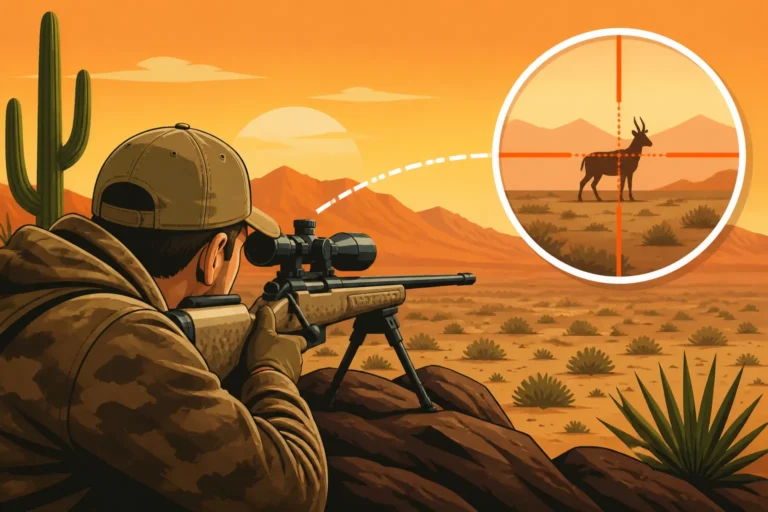
The bedrock of Arizona's shooting hours for big game is straightforward: you can hunt from half an hour before official sunrise until half an hour after official sunset. This applies across the board for all big game species, whether you're chasing mule deer with a rifle, stalking javelina with a bow, or calling in elk during muzzleloader season. It’s a standard rule designed to give hunters those prime low-light opportunities while still ensuring enough visibility for safe and ethical shot placement. The concept here is that during these twilight periods, there's typically enough ambient light for positive target identification, but it's not so bright that animals are completely exposed and wary of human activity.
This uniform rule simplifies things somewhat, meaning you don't have to remember different time frames for different species or weapons, which is a common point of confusion for hunters in other states. For example, if you're on an early archery elk hunt, you're looking for that half-hour window before the sun officially peeks over the horizon to get into position, and then you have until 30 minutes past when it dips below for the evening. This also holds true for any rifle hunt, like a late-season deer tag. The consistency is a blessing, but it also means you have to be extra diligent about knowing the exact sunrise and sunset times for your specific location and day. This rule is clearly outlined in the annual Arizona Game and Fish Department hunting regulations booklet, which is your go-to source for all legal parameters.
Where to Find Official Times: Importance of Regulations and Tools
So, where do you get these "official" sunrise and sunset times? You might think a quick glance at your phone's weather app is enough, but it’s crucial to use reliable, official sources to avoid any misinterpretations. The AZGFD regulations often reference specific tables or tools, or they'll state that official times are based on the U.S. Naval Observatory or similar meteorological data. Many hunters find it useful to check the official AZGFD website, as it usually has links or tables that provide these times for various regions across the state. This is especially important because Arizona does not observe Daylight Saving Time, which can trip up non-residents or those coming from states that do. What's 6:00 AM where you're from might be 5:00 AM here, and that half-hour window changes significantly.
Beyond the printed regulations, technology has become an indispensable aid. Modern hunting apps, like those often recommended by resources like GoHunt, frequently incorporate official sunrise and sunset data, automatically calculating the legal shooting window for your precise GPS location. This is a game-changer, especially when you're deep in a canyon or behind a mountain range where the actual visual sunrise might be much later than the official time for your general area. These apps can give you real-time, minute-by-minute calculations, which can take a lot of the guesswork out of the equation and help you understand when to set up your glassing rig or when to start your walk out of the woods. It's also wise to double-check these apps against a backup source, even if it's just a simple printed table, just in case your phone battery decides to die at a critical moment. Being prepared means knowing your legal shooting hours without relying solely on a single piece of tech.
The Science of Day Length: Why Shooting Hours Fluctuate
The simple answer to whether shooting hours shift through the season is an emphatic yes. It's not some arbitrary decision by the AZGFD, but a fundamental truth of our planet's rotation and orbit around the sun. Understanding this isn't just trivia; it’s vital for any serious hunter planning their trips months in advance, or even just adjusting their daily schedule in the field.
Seasonal Progression and Day Length
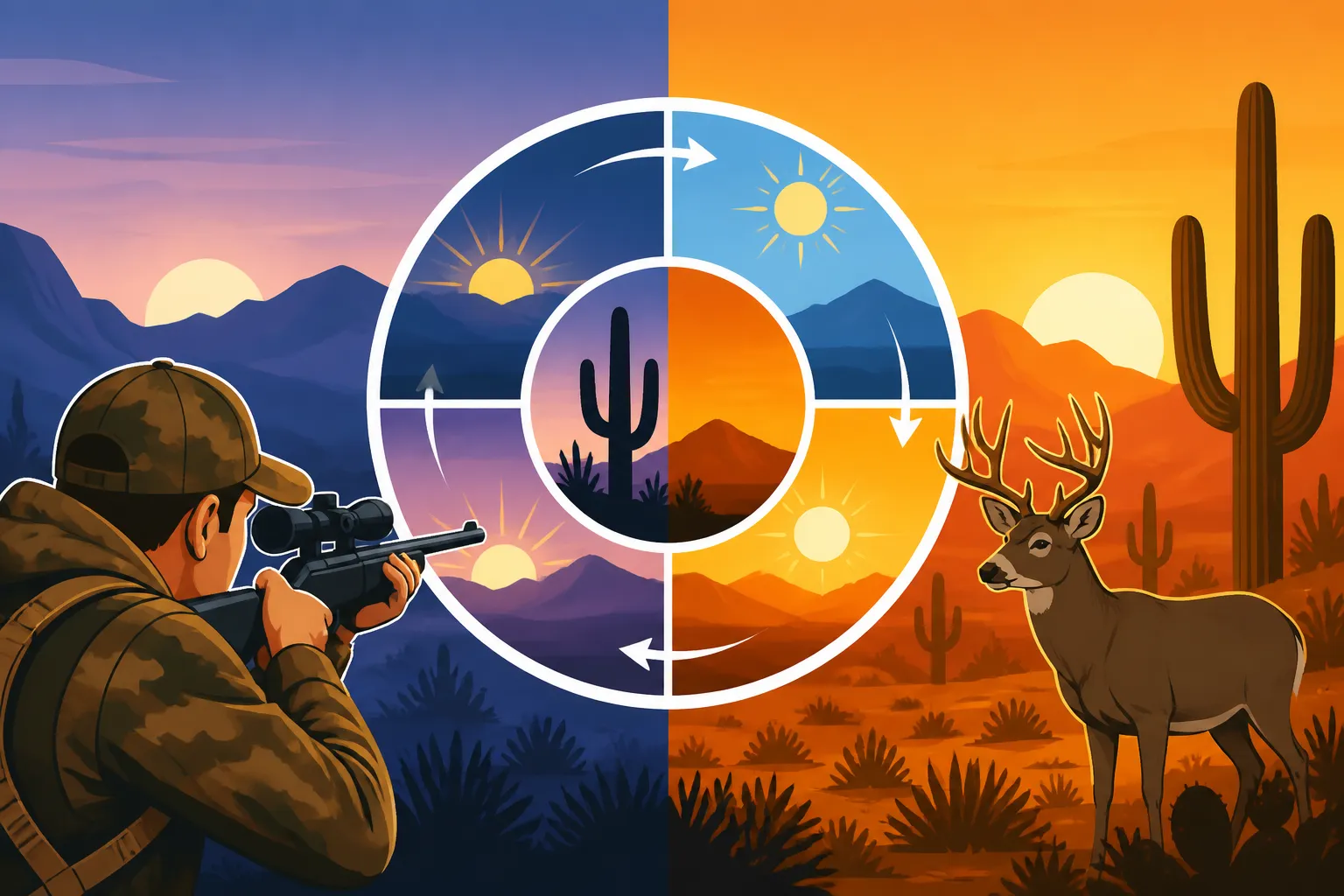
The most significant factor influencing shooting hours is the change in day length throughout the year. As the Earth tilts on its axis and orbits the sun, the amount of daylight we receive varies dramatically between seasons. In Arizona, this means that in mid-summer, say during an early August archery deer hunt, you'll have incredibly long days. Sunrise might be around 5:30 AM, and sunset won't be until 7:30 PM or later, giving you a huge window of opportunity. Fast forward to a late December rifle hunt for mule deer, and those days are significantly shorter. Sunrise might not happen until 7:30 AM, and the sun could be dipping below the horizon by 5:30 PM, drastically shrinking your legal hunting time.
This natural progression means that your schedule needs to be highly flexible. That prime morning and evening twilight can be two hours earlier or later, depending on the month. If you're planning on Arizona Deer Season Dates by Weapon, you'll notice that later hunts often have significantly reduced daylight hours, which can impact your strategy for stalking, retrieving game, and even just navigating the terrain safely. This also underscores why pre-season scouting, as detailed in articles like Scouting an Arizona Unit Before the February Deadline, is so critical. You need to understand the terrain not just for game sign, but for how it affects your ability to legally hunt during those brief, precious periods of low light.
Geographic Location and Topography
While day length changes with the seasons, your specific geographic location within Arizona also plays a role, albeit a less dramatic one. Sunrise and sunset times aren't uniform across the entire state at any given moment. For example, sunrise in Yuma, in the southwestern corner of the state, might be several minutes different than in Springerville in the eastern White Mountains. These subtle differences add up, especially when you're looking at a 30-minute window. Furthermore, the topography of your hunting unit can create "effective" shooting hours that differ from the official times.
Imagine hunting in a deep canyon in the Mazatzal Mountains or a steep draw in the Coronado National Forest. The sun might officially rise at 6:00 AM, making 5:30 AM your legal start. But in that deep canyon, direct sunlight might not hit the canyon floor until 7:00 AM or later. Conversely, the sun might set officially at 6:00 PM, but you lose usable light on the canyon floor by 5:00 PM due to the steep walls. This isn't a legal adjustment, but a practical reality that dictates when you can actually see well enough to make an ethical shot. This is where tools from companies like GoHunt, which offer detailed topographical maps and elevation profiles, become incredibly valuable. They can help you visualize how terrain will impact your practical visibility and strategy during those critical twilight periods, especially if you're Glassing From a Vehicle Along a Forest Road looking into a shadowed basin.
| Season | Approximate Dates | Phoenix Sunrise (Official) | Phoenix Sunset (Official) | Legal Morning Start | Legal Evening End |
|---|---|---|---|---|---|
| Early Spring | March 1 | ~6:50 AM | ~6:25 PM | ~6:20 AM | ~6:55 PM |
| Late Spring | May 1 | ~5:30 AM | ~7:00 PM | ~5:00 AM | ~7:30 PM |
| Mid-Summer | July 1 | ~5:20 AM | ~7:40 PM | ~4:50 AM | ~8:10 PM |
| Early Fall | September 1 | ~6:00 AM | ~6:50 PM | ~5:30 AM | ~7:20 PM |
| Late Fall | November 1 | ~6:30 AM | ~5:20 PM | ~6:00 AM | ~5:50 PM |
| Mid-Winter | January 1 | ~7:30 AM | ~5:30 PM | ~7:00 AM | ~6:00 PM |
Note: Times are approximate for Phoenix and will vary slightly based on the exact date and your specific location in Arizona. Always verify official times for your exact hunt dates and location.
Mastering the Clock: Strategies for Staying Legal and Effective
Navigating the nuances of shifting shooting hours can feel like a chore, but with the right tools and mindset, it becomes just another part of your meticulous hunt planning. It's about being proactive, not reactive, and ensuring you maximize your legal hunting time while always prioritizing safety and ethics.
Using Technology: Apps and Digital Tools
In today's hunting world, relying solely on a printed table from the regulations booklet can leave you at a disadvantage. Modern technology offers incredible precision that can make a real difference. Many popular hunting apps, like those integrated with mapping software from reputable sources such as GoHunt, not only show you property boundaries and topographical features but also provide dynamic sunrise and sunset times based on your exact GPS coordinates. This means if you move from an open ridge top to a shadowed canyon, the app can give you a more accurate estimation of when usable light will begin or end for your specific position.
Beyond just times, some apps allow you to set alerts for 15 minutes before legal shooting light, or 15 minutes before the end of the day. This is invaluable, especially when you're deeply focused on tracking an animal or waiting patiently for a shot opportunity. It takes the burden of constantly checking your watch off your mind, allowing you to remain present in the hunt while still adhering to the rules. Just remember, these tools are aids, not replacements for your own judgment and understanding of the Reading the Arizona Hunt Regulations Booklet. Always download offline maps and data if you're going into areas with no cell service, which is common in much of Arizona's rugged backcountry.
Pre-Season Planning and On-the-Ground Verification
The key to confidently hunting within legal shooting hours lies in thorough pre-season planning. Before you ever set foot in your unit, you should know the general sunrise and sunset trends for your specific hunt dates. Using online tools or hunting apps, you can look up these times for the nearest major city or landmark in your unit and get a good estimate. This helps you plan your daily schedule: when you need to be at your glassing point, when you need to start your stalk, and crucially, when you need to start making your way out of the woods to ensure you're not trekking in the dark with a loaded weapon after legal hours. This foresight is also vital for managing other aspects of your hunt, such as Heat Management on an Arizona Early Season Hunt where early mornings and late evenings offer cooler temperatures for exertion.
However, once you're on the ground, nothing beats personal observation. While official times are critical, your effective hunting time can be influenced by the immediate environment. If you're positioned on the east side of a tall mountain range, the sun might officially rise, but the direct light won't hit your specific spot for another 20-30 minutes. Conversely, if you're on a western slope, you might lose direct sunlight well before the official sunset time. Pay attention to how the light changes around you. Are shadows creeping up the hillsides faster than expected? Is the eastern sky getting truly bright half an hour before the official sunrise, or is dense fog or cloud cover obscuring it? These observations, coupled with your official times, allow you to make smart, safe decisions. Don't be afraid to adjust your plans in real-time. Perhaps that prime spot you wanted to hit at first light is too shadowed, and another, slightly less ideal location will give you legal light sooner.
Beyond the Legal Limit: Ethical Considerations and Common Pitfalls
While the legal shooting hours define when you can hunt, true sportsmanship and safety extend beyond mere compliance. Ethical considerations and awareness of common pitfalls will make you a more responsible and successful hunter.
Weapon-Specific Rules and Exceptions
One of the great things about Arizona's big game hunting regulations is their consistency regarding shooting hours. Unlike some other states where archery, muzzleloader, or general firearms seasons might have different shooting time stipulations, Arizona generally applies the "half-hour before sunrise to half-hour after sunset" rule across the board for all legal big game weapons. This means if you're pursuing a bull elk during the Arizona Sets Bow Draw at 30 Pounds and Crossbows at 125 season, your shooting window is governed by the same sunrise/sunset rules as if you were hunting that same elk with a rifle. This simplifies things considerably and reduces the chances of accidental violations due to weapon type.
However, while the rule is consistent, the practical application can feel different depending on your weapon. Bowhunting, for instance, often requires closer ranges and absolute certainty of shot placement. In very low light conditions, even if it's technically legal, an archer might choose to hold off on a shot that a rifle hunter would comfortably take, simply because the risks of a poor hit increase with reduced visibility. This isn't a legal mandate, but an ethical consideration. Similarly, muzzleloader hunters, who often deal with single-shot opportunities, might be more selective about their low-light shots. Always prioritize a clean, ethical kill over pushing the boundaries of legal light. If there's any doubt about target identification or shot placement, wait for better light.
The Importance of Ethical Hunting Beyond the Clock
Adhering to legal shooting hours is the bare minimum. Truly ethical hunting means making responsible decisions, especially during those low-light windows. One of the biggest ethical considerations is positive target identification. During the half-hour before sunrise or after sunset, light can be deceptive. A deer might look like a buck, but can you clearly see antlers? Is that a legal elk, or a cow? Is the animal positioned for a clean shot, or is there brush obscuring vital organs? Rushing a shot in poor light can lead to wounded animals and prolonged tracking efforts, or worse, mistaken identity.
Another crucial aspect is game retrieval. If you shoot an animal right at the last minute of legal light, you might face a significant challenge in finding it and packing it out before nightfall. This is particularly true in Arizona's rugged terrain or during Heat Management on an Arizona Early Season Hunt where getting meat cooled quickly is paramount. Many experienced hunters choose to end their hunt a bit early or start a bit later than legally allowed, simply to ensure they have ample time and light for tracking, field dressing, and starting the pack-out. This foresight minimizes spoilage and maximizes the chance of recovering your animal. It's about respecting the animal and the resource, going beyond merely what the law permits. Ultimately, your personal ethical code should always guide your decisions in the field, making safety and responsible hunting your top priorities, far surpassing just the clock.
Disclaimer
The information provided in this guide is for general informational purposes only and does not constitute legal advice. Hunting regulations, including shooting hours, can change. It is the hunter's responsibility to consult the most current Arizona Game and Fish Department regulations booklet and any official updates before engaging in any hunting activities. Always verify specific dates and times for your hunt unit and chosen season.