Building a Practice Routine Before Opener
The crisp air of a fall morning, the sun barely kissing the horizon, and then suddenly, there it is – the animal you've been dreaming about, working for, and scouting all year. Your heart pounds, adrenaline surges, and then, in that critical moment, your shot goes wide. It's a gut-wrenching experience, one that most hunters have faced at some point. This guide isn't about blaming anyone; it's about giving you the tools to build a robust, realistic practice routine that will have you feeling confident and prepared for the unique challenges of hunting in Arizona, ensuring that when the moment of truth arrives, you're ready.
Why a Dedicated Practice Routine Matters More Than You Think
It’s easy to think that a few rounds at the bench or a dozen arrows at the block is enough to get ready for hunting season. And sure, it’s a start. But the reality of hunting, especially in a diverse and often demanding landscape like Arizona's, is far different from the controlled environment of a shooting range. The stakes are higher, the variables are endless, and your mental and physical state are under immense pressure. A dedicated practice routine moves beyond just putting holes in paper; it's about preparing your entire self for the moment it all comes together.
The Mental Game of the Shot
When that trophy elk steps out or a Coues deer materializes from the brush, it’s rarely a calm, controlled scenario. Your heart will race, your breath will quicken, and your hands might even tremble. This isn't weakness; it's a natural physiological response to intense excitement and pressure. If your only practice has been from a comfortable bench rest, you haven't truly trained for this moment.
A solid practice routine helps you build mental resilience. By simulating hunting conditions – shooting quickly, from awkward positions, or after a brisk walk – you begin to desensitize yourself to the pressure. You're teaching your brain and body how to perform under stress. When you've practiced thousands of repetitions, the act of aiming and firing becomes almost muscle memory, allowing you to focus on the target, your breathing, and the shot execution, rather than being overwhelmed by the moment. Confidence isn't just about knowing you can hit the target; it's about trusting that you will, even when the pressure is on.
Physical Preparedness for Arizona's Terrain
Arizona hunting isn't for the faint of heart. Whether you're chasing elk in the high country of the Mogollon Rim, scaling the steep "sky islands" for Coues deer, or navigating the dense scrub for javelina, you're going to be walking, climbing, and often, glassing for long periods. This physical exertion directly impacts your shooting ability. Try shooting a tight group after scrambling up a steep hill or hiking for miles with a heavy pack, and you'll quickly realize that physical fitness is part of your shooting platform.
Your practice routine should acknowledge this. Can you hold your rifle steady after a lung-busting climb? Can you draw your bow smoothly when your muscles are fatigued? Practicing shots from kneeling or sitting positions, simulating glassing spots, or even taking a quick jog before a shooting string, can dramatically improve your field accuracy. It prepares your core, your shoulders, and your lungs for the demands of a real hunt. Think about how your body will feel after a long day of hunting, and try to replicate that fatigue in your practice sessions. For insights into preparing your body for the rigors of the desert, check out tips for Preparing Physically for a Desert Hunt.
Avoiding the "Only Shoot From a Bench" Trap
The shooting bench is an invaluable tool for sighting in and verifying your rifle's accuracy. It's fantastic for finding your rifle's inherent precision and getting your scope dialed in perfectly. However, the vast majority of ethical hunting shots are not taken from a perfectly stable, cushioned bench. They're taken kneeling behind a mesquite bush, sitting against a juniper, prone over a backpack on rocky ground, or sometimes, even standing unsupported for a fleeting opportunity.
Relying solely on bench shooting creates a false sense of security. You might be a tack driver from the bench, but can you replicate that precision when you're quickly trying to get stable on uneven ground, with wind swirling, and an animal moving? Your practice routine needs to reflect the reality of hunting. This means shooting from various field positions, getting comfortable with natural rests (like rocks, trees, or your trekking poles), and understanding your limitations from each. Knowing your rifle's zero is critical, and you can learn more about Rifle Zero Distance for Open Desert for common Arizona hunting scenarios.
Crafting Your Pre-Season Shooting Regimen
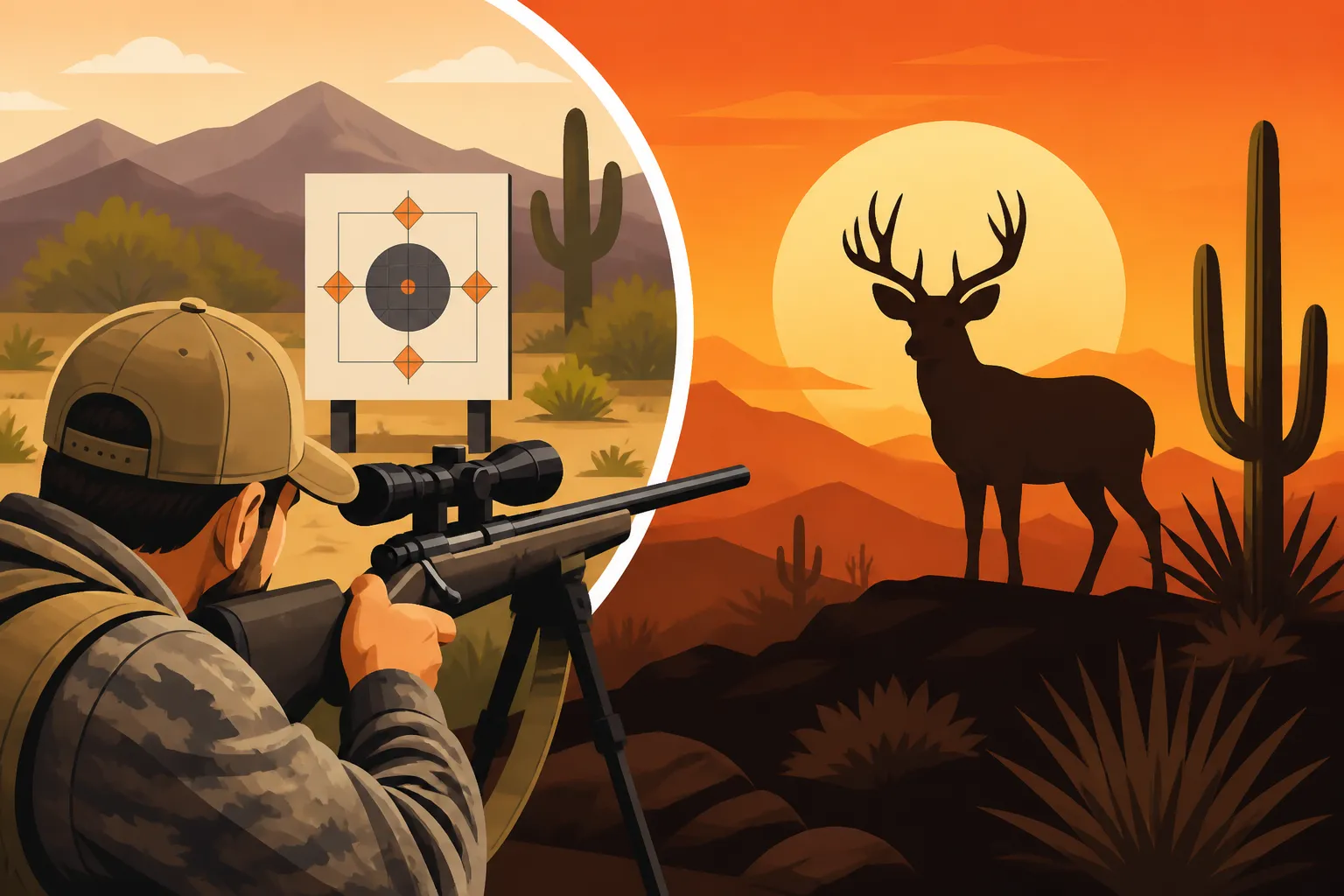
Building an effective pre-season shooting regimen isn't about brute force; it's about smart, focused preparation. It integrates consistency, realism, and a deep understanding of your gear and your chosen hunting grounds. This isn't just about shooting more, it's about shooting better and with greater purpose.
Starting Early and Being Consistent
The biggest mistake many hunters make is waiting until a month or two before the season to start practicing. Hunting is a perishable skill, and consistency is king. Think of it like training for a marathon: you wouldn't cram all your running into the last few weeks. The ideal scenario is to start your dedicated practice several months out, even in the late spring or early summer, and maintain a consistent schedule.
Aim for shorter, more frequent sessions rather than infrequent, marathon shooting days. For example, two 30-minute to an hour-long sessions a week will often yield better results than one three-hour session every month. Frequent, deliberate practice builds muscle memory and reinforces good habits. It also allows you to identify and correct issues gradually, preventing the frustration of trying to fix everything at once. This early start also allows you time to get your gear in order and make sure everything is working as it should, preventing last-minute panic.
Mimicking Real-World Hunting Scenarios
This is where the rubber meets the road. Your practice range becomes your simulated hunting unit.
- Varying Positions: Don't just stand or sit. Practice shooting from kneeling, sitting, and prone positions. Try shooting off your backpack, over a shooting stick, or using a tree as a rest. Imagine the terrain you'll be in – steep canyons, thick brush, open flats. If you're hunting in the Sky Islands, practice shooting uphill and downhill, as those angles can dramatically affect your point of impact.
- Movement and Heart Rate: Before a shooting string, take a brisk walk, do some jumping jacks, or run a short distance to elevate your heart rate. Then, try to settle quickly and make the shot. This mimics the exertion of a stalk or a quick sprint to get into position.
- Time Constraints: Practice quick target acquisition. Sometimes, an animal offers only a narrow window of opportunity. Set up drills where you have to get into position and take a shot within a set time limit (e.g., 10-15 seconds).
- Environmental Factors: If possible, practice in varying conditions. Shoot in different light levels (early morning, late afternoon) and in the wind. Understanding how to Hold for Wind Across a Wide Canyon is crucial in Arizona's open landscapes.
- Realistic Clothing and Gear: Don't practice in a t-shirt if you'll be hunting in a heavy jacket or bulky layers. Wear your hunting boots to see how they affect your stability. Put on your backpack with a typical load. Every piece of gear changes your shooting platform subtly. Consider tips for Layering for Rim Country Temperature Swings and apply it to your practice attire.
For bowhunters, this also means practicing from elevated positions if you plan to use a tree stand (though tree stand use is limited on public land). For all hunters, integrating the physical effort required to carry your gear and hike into position is key. This is why Choosing Boots for Rocky Desert Ground is a critical component not just of comfort, but also your shooting stability.
Incorporating Gear and Ethical Limits
Your hunting gear is an extension of yourself, and you need to be intimately familiar with how it performs in conjunction with your shooting.
- Practice with Your Kit: This means your actual hunting rifle or bow, your chosen broadheads or bullets, your scope, and any accessories like shooting sticks or a bipod. Don't practice with a different setup than what you'll carry afield.
- Simulate Pack Weight: If you plan on a strenuous pack-out, practice with a weighted backpack. Even if you don't shoot with the pack on, the fatigue it generates will inform your shooting.
- Know Your Ethical Range: Every hunter has an ethical maximum range at which they can consistently make a lethal shot. This isn't just about what your rifle can do; it's about what you can do under field conditions. Practice at and beyond this range. If your ethical maximum is 300 yards, practice at 350 or 400. This makes your 300-yard shots feel effortless and boosts confidence. Never take a shot in the field that you haven't confidently practiced.
- Use Scouting Tools: Platforms like
GoHuntoffer incredible insights into unit terrain, elevation changes, and typical shot distances. Use this information to tailor your practice. If you know you're hunting a unit with vast, open canyons, long-range practice becomes even more vital. Conversely, if you're in thicker timber, focus on quicker, closer shots with less opportunity for perfect rests. Learning to use tools for E-Scouting an Arizona Unit Before the Season can directly inform your practice needs. For archery hunters, understanding The Minimum Bow Draw Weight Arizona Requires is foundational, but translating that into consistent accuracy is the real challenge.
Here’s a simple table summarizing practice drills and their focus:
| Drill Type | Focus Area | Benefits | Recommended Frequency |
|---|---|---|---|
| Bench/Zeroing | Gear accuracy, foundational consistency | Confirms rifle/bow zero, identifies mechanical issues | Monthly, or after gear changes |
| Field Positions | Stability from various natural rests | Builds confidence in real hunting scenarios, core strength | Weekly |
| Heart Rate Elevated | Shooting under physical stress | Improves ability to settle quickly and make accurate shots | Weekly |
| Timed Acquisition | Quick shot execution, target acquisition | Prepares for fleeting opportunities, reduces hesitation | Bi-weekly |
| Varying Distances | Range estimation, trajectory compensation | Enhances judgment, confidence across different ranges | Weekly |
| Low Light Shooting | Scope clarity, target identification | Prepares for dawn/dusk hunting, ethical shot assessment | Monthly (with safe backstop) |
Advanced Drills and Maintenance Through Season
Once you've mastered the fundamentals, it's time to add complexity and ensure you stay sharp, even when the hunt is underway. Advanced drills push your limits, identify weaknesses, and build a deeper understanding of your capabilities.
Advanced Situational Drills
These drills are designed to simulate the unpredictable nature of hunting and hone your decision-making under pressure.
- "What If" Scenarios: Set up multiple targets at varying distances and angles. Have a friend call out a target number, and you must acquire, get steady, and shoot within a few seconds. This mimics the fluid nature of hunting.
- Concealment Shooting: Practice shooting through small openings in brush or over natural obstacles. This forces you to be precise with your shot placement and understand bullet deflection (for rifle hunters) or arrow path (for archers).
- No-Rangefinder Drills: In a safe area, practice estimating distances to various objects. Take the shot, and then verify with a rangefinder. This is a critical skill for bowhunters where quick, accurate range estimation can make or break a shot, and even for rifle hunters, it's a good backup. How Close a Bowhunter Needs to Get on Coues emphasizes this skill.
- Cold Bore Shots: For rifle hunters, practice your "cold bore" shot – the first shot from a completely cold barrel. This is often your most important shot on a hunt. Note where it hits compared to subsequent shots.
Remember, the goal is not just to hit the target, but to execute the process flawlessly, under various conditions.
The Value of Data and Tracking Progress
Just like any good athlete, hunters benefit immensely from tracking their performance. Keep a detailed shooting journal. Note the date, weapon, ammunition/arrow specifics, distance, shooting position, group size, environmental conditions (wind, temperature, light), and any observations about your technique or mental state.
Over time, this journal becomes an invaluable resource. You'll see patterns, identify what works (and what doesn't), and track your improvement. If you use an app like GoHunt to track your hunt planning, you can even cross-reference your practice data with the specific units and terrain features you're scouting. This holistic approach helps you understand how different variables affect your accuracy. It's a key part of becoming a truly self-aware and effective hunter.
Staying Sharp During the Hunt
The practice doesn't stop once you leave for your hunting camp.
- Travel Check-In: After a long drive to camp, especially if your rifle has been jostled, it's a good idea to fire a few shots at a portable target to ensure your zero hasn't shifted. Even one shot can give you confidence. For guidance, consider Sighting In After a Long Drive to Camp.
- Dry Firing/Blind Bale: For rifle hunters, dry firing (without ammunition) helps you maintain trigger control and sight picture. For archers, shooting into a blind bale (a target at very close range) allows you to focus solely on your form and release without worrying about the precise aim point. These practices keep your muscles primed without expending ammunition or spooking game.
- Mental Visualization: Close your eyes and visualize the entire shot sequence – seeing the animal, settling your crosshairs/pin, controlling your breathing, executing the shot, and watching the impact. This mental rehearsal reinforces good habits and builds confidence.
- Post-Shot Routine: Understand the importance of a swift and ethical follow-up after the shot. This includes knowing how to efficiently Field Dressing in Desert Heat to preserve your harvest, which is just as vital as making the shot itself.
Weapon-Specific Considerations
While many principles of practice apply across all weapon types, each has its unique nuances that require specific attention.
Rifle and Muzzleloader Drills
Rifle hunters often think about trajectory, bullet drop, and wind.
- Zeroing Strategy: Zero your rifle at a practical distance for your primary hunting scenarios (e.g., 200 yards for many big game hunts in Arizona). Then, confirm your bullet drop at longer ranges and your holdovers or dial settings. This is crucial for precise ethical shots, especially for species like pronghorn on open grasslands.
- Recoil Management: Practice managing recoil to maintain your sight picture and follow through. This is vital for seeing your impacts and making quick follow-up shots if needed.
- Muzzleloader Specifics: Muzzleloaders have different characteristics. Practice loading efficiently and consistently, as well as understanding how different powder charges and bullet types (like Sabot Bullets in an Arizona Muzzleloader) affect accuracy. Many modern muzzleloaders are incredibly accurate, and you can even use Muzzleloader Sight Systems With No Restrictions in Arizona, even a scope. So practice with the specific sight system you plan to use.
- Magazine Changes: For rifle hunters using detachable magazines, practice smooth, rapid magazine changes. You never know when a quick follow-up shot might be needed on another animal in a herd situation, or to quickly dispatch a wounded animal.
Archery and Crossbow Training
Archery and crossbow hunting are about precise distances, clean releases, and unwavering form.
- Form, Form, Form: Consistency in your anchor point, grip, and release is paramount. Use a coach or video yourself to identify and correct any inconsistencies. Even a slight change in form can result in a significant miss downrange.
- Range Estimation: Bowhunting in Arizona means close encounters. Mastering range estimation without a rangefinder is a critical skill for when an animal appears quickly. Practice with various landmarks and then confirm with your rangefinder.
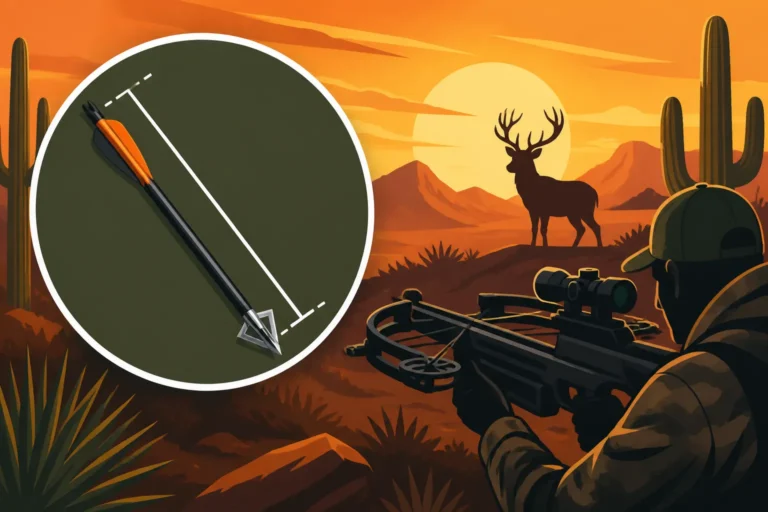
- Broadhead Tuning: Before hunting, always practice with the exact broadheads you will use, or at least practice with field tips that match their weight. Broadheads can fly differently than field tips, and tuning your bow with them is non-negotiable for ethical hunting.
- Crossbow Draw and Load: For crossbow users, practice the entire sequence of drawing, loading, and safely firing. Ensure you understand The Crossbow Draw Weight Floor in Arizona and how your specific model performs under varying conditions.
No matter your weapon of choice, building a practice routine before opener is more than just a chore; it's an investment in your success, your ethics, and your confidence. It's about respecting the animals you pursue and ensuring you're doing everything in your power to make a clean, ethical harvest.
Disclaimer
Please ensure you are familiar with all current Arizona Game and Fish Department regulations before engaging in any hunting activities. Regulations can change, and it is always your responsibility as a hunter to know and follow the law. This guide offers general advice for practice routines and does not supersede official regulations.