Arizona Quail Season Opening Dates
It can be incredibly frustrating to sit there, staring at your calendar, knowing quail season is just around the corner but feeling utterly lost trying to pinpoint the exact opening dates in Arizona. The regulations can seem like a maze, and you just want to get out there with your shotgun and dog, chasing those fast-flying desert rockets. This guide is here to untangle that confusion, providing you with a clear roadmap to understanding Arizona's quail season opening dates and what you need to know to hit the field running.
Understanding Arizona's Quail Season Opening Dates
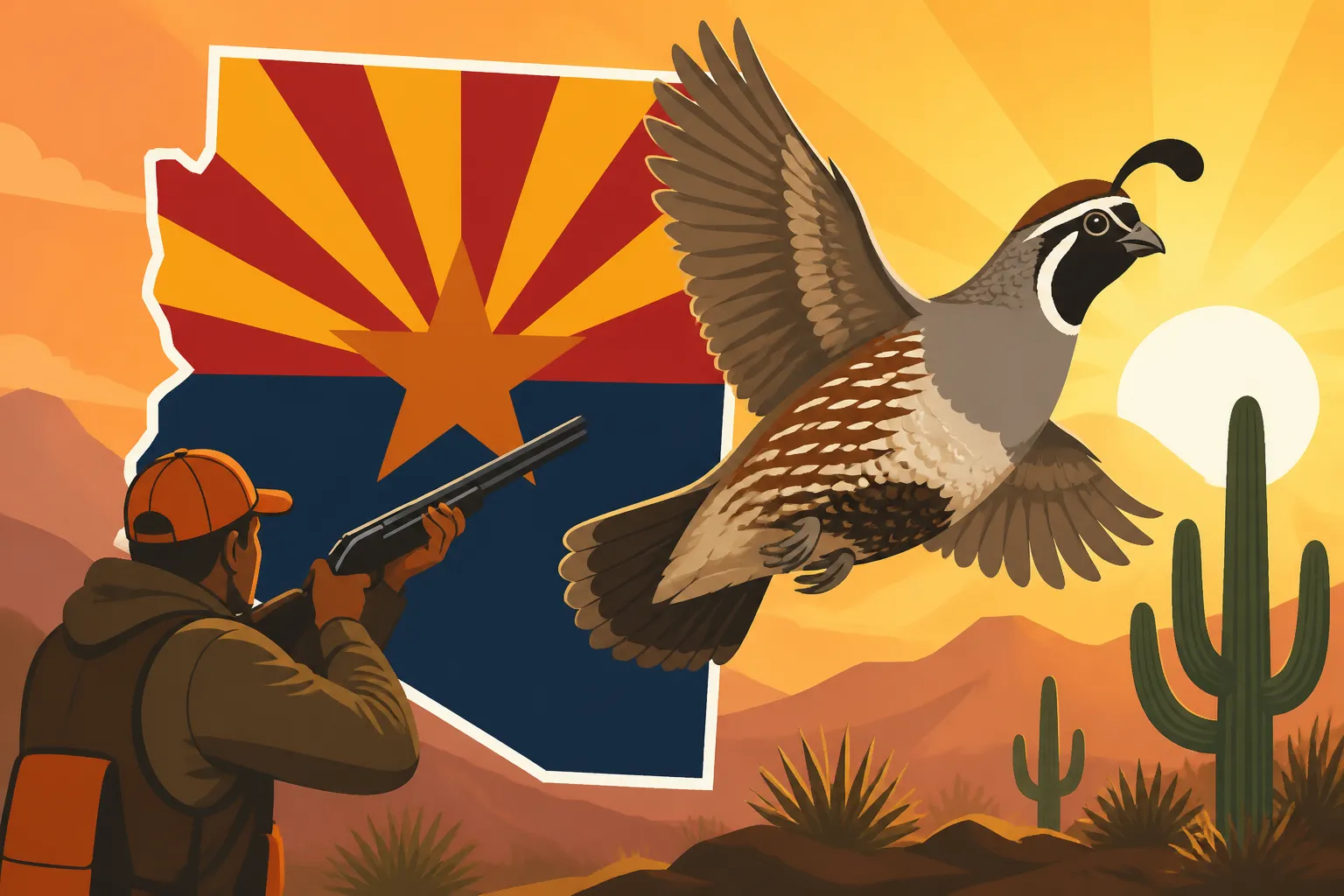
Arizona is truly a wingshooter's paradise, offering three distinct species of quail to pursue: Gambel's, Scaled, and the elusive Mearns'. While the general framework for their seasons remains fairly consistent year to year, understanding the nuances for each species is key to successful planning. Typically, the general quail season in Arizona kicks off in early October for Gambel's and Scaled quail, running through February. Mearns' quail, on the other hand, have a later start, usually opening in early December and also running through February. These dates are always set by the Arizona Game and Fish Department (AZGFD), and while they often align with historical patterns, it's crucial to consult the most current regulations booklet each year.
Gambel's and Scaled Quail Season Details
For many hunters, the early October opener for Gambel's and Scaled quail marks the true beginning of the upland season. Imagine those crisp desert mornings, the sun just kissing the saguaros, and the familiar "chik-chi-KA-ka" call echoing across the arroyos. Both Gambel's and Scaled quail tend to inhabit similar desert and grassland ecosystems, so their seasons typically align. This long season, extending well into winter, offers ample opportunity to chase coveys across diverse landscapes, from the Sonoran Desert's prickly pear thickets to the expansive grasslands where you might find a mix of species. It's a fantastic time to get out, especially before the truly cold weather settles in, though the birds can get pretty educated as the season progresses. Remember, it's always a good idea to check the official Arizona Quail Bag Limits by Species to ensure you're in compliance.
Mearns' Quail Specifics
Mearns' quail, often called the "harlequin" quail for their striking plumage, are a different beast entirely, both in terms of habitat and hunting strategy, which is why their season opens later. These birds prefer the oak woodlands of Arizona's southeastern "sky islands," thriving in the higher elevations and often found among open ponderosa pine forests. Their later season opener in December coincides with cooler weather and often better dog work, as the ground holds scent more readily. Hunting Mearns' is a completely different experience; it's less about busting large coveys and more about patient dog work in rolling hills and draws. The thrill of watching a good bird dog lock up on a single Mearns' in the leaf litter is unmatched. If you're wondering Hunting Mearns Quail in the Oaks, you'll find it's a unique and rewarding challenge that separates itself from the fast-paced action of chasing Gambel's or Scaled quail.
Factors Influencing Arizona Quail Seasons
While the opening dates for Arizona's quail seasons generally follow a pattern, they aren't set in stone for eternity. The Arizona Game and Fish Department (AZGFD) makes these decisions based on a variety of biological and environmental factors. They're not just pulling dates out of a hat; they're looking at the health of the quail populations, which are highly susceptible to fluctuations based on weather and habitat conditions. This dynamic approach ensures the long-term sustainability of these incredible game birds. It can be a bit frustrating for us hunters who want to plan far in advance, but it's a necessary part of responsible wildlife management.
The Impact of Monsoon Rains on Quail Numbers
The single biggest factor dictating the health and abundance of Arizona's quail populations, especially Gambel's and Scaled quail, is the annual monsoon season. These summer rains, typically from July through September, are absolutely vital. A strong monsoon brings lush green-up, which means more insects for quail chicks to eat and thicker cover for them to hide in. Without good monsoons, chick survival plummets, and the overall population suffers. This is why you'll often hear veteran hunters anxiously discussing the summer rainfall patterns; they know it's a direct indicator of what kind of quail season to expect. Biologists also closely monitor these rainfall trends because they provide crucial insight into the reproductive success of the birds that year. A good monsoon can lead to an explosion in numbers, whereas a dry summer can mean fewer birds and potentially tighter regulations in future seasons. This direct correlation is Why Rainfall Drives Quail Numbers is such a critical concept for any Arizona quail hunter.
How Annual Surveys Determine Season Length and Bag Limits
Beyond rainfall, the AZGFD conducts various surveys throughout the year to get a clearer picture of quail populations. These surveys involve field observations, counting coveys, and analyzing reproductive success rates. For Mearns' quail, specific dog surveys are often employed in their unique oak-grassland habitats to estimate populations. The data collected from these surveys, combined with long-term trends and habitat assessments, informs the department's decisions regarding season lengths, opening and closing dates, and daily bag limits. For instance, if surveys show lower-than-average chick production for Gambel's quail, the AZGFD might opt for a slightly more conservative bag limit or season duration to protect the breeding stock. This careful, data-driven approach is what allows us to continue enjoying these incredible hunting opportunities year after year, even if it means waiting for the official regulations to be published each summer.
How to Stay Up-to-Date on Quail Regulations
Given that regulations can shift based on population health and environmental factors, relying on last year's dates is a recipe for disappointment, or worse, a citation. The key to successful and legal hunting in Arizona is always to consult the most current regulations. This might sound obvious, but I've seen too many hunters get caught off guard because they assumed things were the same as the previous season. The Arizona Game and Fish Department makes a concerted effort to publish these details well in advance, usually by late summer, giving everyone plenty of time to plan.
Navigating the Arizona Game and Fish Department Website
The official Arizona Game and Fish Department (AZGFD) website is your absolute best friend for current regulations. They publish their annual "Hunting and Trapping Regulations" booklet online, typically around August or September. This comprehensive document details all opening and closing dates, bag limits, shooting hours, weapon restrictions, and other crucial information for every game species, including quail. I always recommend downloading the PDF version to your phone or tablet so you have it handy in the field, even if you lose cell service. It's a treasure trove of information, and frankly, Reading the Arizona Hunt Regulations Booklet from cover to cover before the season opens should be a ritual for every hunter. Don't skim it; dig in. You'll find specific details on Where to Find Gambel's Quail, Where Scaled Quail Hold on Grassland, and all sorts of other helpful tidbits that can make or break your hunt.
Using Digital Scouting Tools to Check Regulations
In today's digital age, we have incredible tools at our fingertips that can not only help us scout but also keep us informed about regulations. Platforms like GoHunt, for example, offer detailed state-specific information, often aggregating season dates and rules in an easy-to-digest format. While these tools are fantastic for planning and getting a general overview, always cross-reference with the official AZGFD regulations. Think of GoHunt as a great starting point for your research, especially when you're trying to quickly compare seasons across different units or states. Many of these apps also have excellent mapping features that can show public land boundaries, which is essential for ensuring you're hunting legally. When you're E-Scouting an Arizona Unit Before the Season with tools like GoHunt, you can often find layers or links that guide you directly to the relevant regulations, making it easier to confirm the specifics for your chosen hunting area. It's a proactive approach that saves a lot of headaches later on.
Planning Your Arizona Quail Hunting Adventure
Once you've got those season dates locked in, it's time to shift gears from research to preparation. Arizona quail hunting, especially in the desert, requires a specific set of gear and a realistic understanding of the environment. This isn't your grandfather's pheasant hunt in a cornfield; it's a physically demanding pursuit in some of the most beautiful, yet unforgiving, landscapes. Proper planning ensures not only a more successful hunt but also a safer and more enjoyable experience.
Essential Gear and Prep for Desert Quail
Hunting quail in Arizona means contending with heat, thorns, rugged terrain, and thirsty birds. Your gear choices directly impact your comfort and effectiveness. First and foremost, hydration is critical. Even in cooler months, the desert can dehydrate you quickly, so carry more water than you think you'll need. A good hydration pack is indispensable. Next, consider your clothing: lightweight, breathable, and tough brush pants or chaps are a must to protect against cacti and mesquite thorns. Don't forget a sturdy pair of boots for Choosing Boots for Rocky Desert Ground that can handle miles of uneven terrain. My personal favorites are ankle-high, waterproof boots with good traction. As for firearms, a fast-swinging 20-gauge or 12-gauge shotgun with open chokes (like improved cylinder or skeet) and light loads (7.5 or 8 shot) is ideal for these quick-flushing birds. And of course, if you're bringing a dog, they need their own protective gear like a vest to guard against thorns, and plenty of water too. Finally, don't underestimate the physical demands; Building a Practice Routine Before Opener that includes plenty of walking on varied terrain will pay dividends.
Understanding Bag Limits and Other Rules
Beyond just the opening dates, you need to be intimately familiar with the specific regulations that govern your hunt. Arizona's general quail season usually allows a daily bag limit that combines Gambel's and Scaled quail, and a separate, often smaller, bag limit for Mearns' quail. It's not uncommon to have a total possession limit that's twice the daily limit, but this can vary. For instance, if the daily bag is 15 Gambel's/Scaled, the possession might be 30. For Mearns', it's usually a much smaller daily limit, like 6, with a possession limit of 12. Always confirm these numbers in the current year's regulations.
You'll also want to pay attention to Arizona Legal Shooting Hours for Big Game and small game, as these dictate when you can legally discharge your firearm. Generally, it's half-hour before sunrise to half-hour after sunset, but it's crucial to confirm. Additionally, be aware of specific unit closures or restrictions, especially if you're hunting on or near Arizona Game and Fish Wildlife Areas or other designated areas. Some units may have different bag limits or might close early due to unforeseen circumstances, so checking the AZGFD website right before your hunt is a smart move. Always ensure you have your valid Arizona hunting license and any required tags or stamps before heading into the field.
Disclaimer
Please remember that hunting regulations are subject to change. While this guide provides general information, it is absolutely essential to consult the most current Arizona Game and Fish Department regulations before planning or undertaking any hunting activity. Your responsibility as a hunter is to know and abide by all current laws.