Bobcat Season and Pelt Tag Rules
The world of predator and furbearer hunting in Arizona can feel a little bit like a riddle, especially when you start diving into the specifics for species like bobcats. Many hunters are eager to pursue these elusive desert felines but often find themselves scratching their heads over when and where they can hunt, and more importantly, what they need to do once they’ve successfully harvested one. This guide is here to untangle those rules, focusing specifically on bobcat season details and the absolutely crucial pelt tag requirements, so you can hunt with confidence and stay on the right side of the law.
Navigating Arizona's Bobcat Seasons and General Regulations
Hunting bobcats in Arizona isn't quite like drawing a coveted elk or deer tag. The seasons are generally more open, reflecting their status as a furbearer and predator. However, "open" doesn't mean "unregulated," and understanding the nuances is key to a successful and legal hunt.
Understanding Open Seasons and Unit-Specific Variations
For many units across Arizona, bobcat season is open year-round, which is a significant departure from the tightly controlled, limited-entry draws we're used to for big game. This extensive season length means that if you're out chasing javelina in January or calling coyotes in July, an encounter with a bobcat could lead to an opportunity. However, and this is a big "however," it is absolutely vital to consult the current Arizona Game and Fish Department (AZGFD) hunting regulations booklet for the specific unit you intend to hunt. While many units have year-round seasons, others might have limited seasons or specific closures that vary from year to year based on population management goals or other factors. Never assume; always check the latest official information.
Bobcats are primarily managed as a furbearer in Arizona, which places them in a different category than big game animals like deer or elk. This classification influences not only the length of their seasons but also the specific regulations regarding methods of take and post-harvest requirements, particularly the need for a pelt tag. They are a species that contributes to the overall ecological balance, and their management reflects both conservation efforts and opportunities for hunters and trappers.
Legal Hunting Methods for Arizona Bobcats
When it comes to pursuing bobcats in Arizona, hunters have a variety of legal methods at their disposal. Calling is perhaps one of the most popular and effective techniques. Both electronic calls and mouth calls, mimicking rabbits, birds, or even distress sounds, can be incredibly effective at drawing in curious bobcats. These animals are opportunistic predators, and a convincing call can bring them surprisingly close. If you're looking into calling tactics, you might find some crossover tips from Electronic Calls for Predators and Varmint Hunting.
Spotting and stalking is another viable method, particularly in areas with open terrain where you can effectively glass for movement. This often involves patience and a good set of optics to scan rocky outcrops, washes, and thick cover where bobcats might be active. Incidental harvest is also common; many bobcats are taken by hunters pursuing other species, especially coyotes, given their similar habitats and responses to predator calls.
As for weapons, Arizona permits a broad range for bobcat hunting, including centerfire rifles, rimfire rifles, shotguns, and archery equipment. The choice often comes down to personal preference, the terrain, and the specific hunting scenario. When hunting predators, it's worth noting that rules regarding hunting hours and artificial light can sometimes differ from big game. For instance, Spotlighting Rules for Predator Hunting might offer some relevant context, though specific rules for bobcats should always be confirmed in the current regulations to ensure compliance. Knowing your weapon's capabilities and practicing in diverse conditions are crucial for ethical and effective hunting.
The Mandatory Pelt Tagging Process for Arizona Bobcats
This is where bobcat hunting truly diverges from many other big game hunts. While you might not need a special draw tag to pursue them in many areas, the moment you harvest a bobcat, a mandatory and time-sensitive process begins: securing a pelt tag. This isn't just a formality; it's a critical component of Arizona's wildlife management.
Why Pelt Tags Are Essential and What They Entail
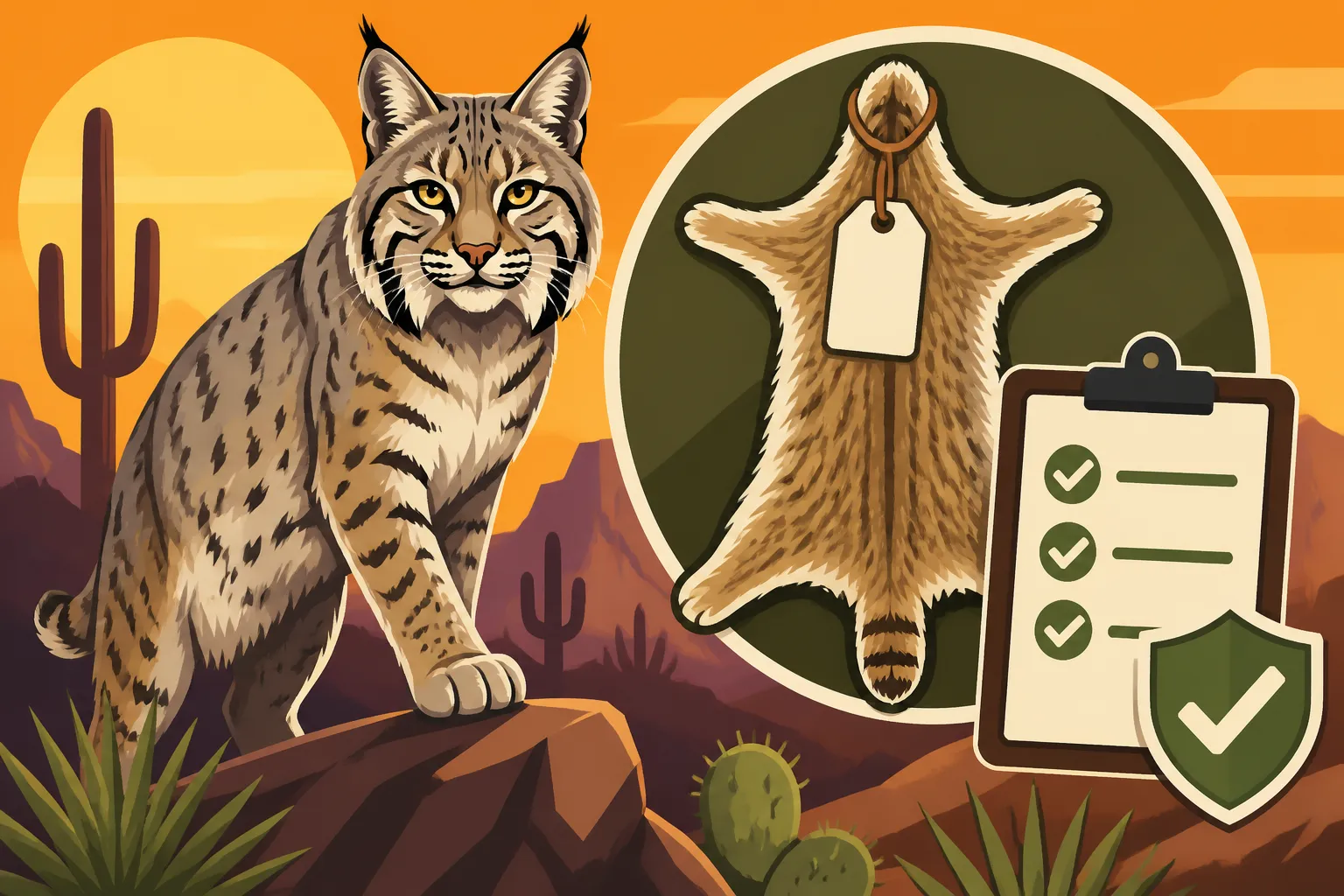
Pelt tags are absolutely essential for any bobcat harvested in Arizona. They serve multiple critical functions for the Arizona Game and Fish Department. Firstly, they are a vital tool for biological data collection. Each tag allows the department to record important information such as the date and location of harvest, the sex of the animal, and often its age. This data is invaluable for monitoring bobcat populations, assessing harvest rates, and making informed management decisions to ensure sustainable numbers for future generations. Without this information, it would be much harder to understand population trends or identify potential issues.
Secondly, pelt tags play a crucial role in preventing illegal wildlife trade. Bobcat pelts can have commercial value, and unregulated harvest could lead to poaching and illicit markets. By requiring a physical tag on every pelt, the AZGFD creates a clear chain of custody, making it difficult to illegally sell or transport untagged pelts. This helps protect the species from exploitation and supports ethical, legal hunting practices. For hunters, understanding that this process is for the greater good of wildlife conservation makes the effort worthwhile. Failure to obtain a pelt tag is not a minor oversight; it's a serious violation that can result in fines and other penalties, underscoring the importance of adherence.
The Procedure and Timeline for Getting Your Bobcat Tagged
Once you've harvested a bobcat, the clock starts ticking. You are legally required to present the bobcat, or its pelt, to the Arizona Game and Fish Department for a pelt tag within a specified timeframe. While the exact number of days can sometimes align with big game reporting requirements, usually it's within 10 days of harvest. However, always confirm the precise deadline in the current regulations for furbearers, as it can be nuanced. This is similar to the urgency required for Mandatory Reporting After an Arizona Harvest for other species.
To get your bobcat tagged, you'll need to locate an AZGFD regional office, a designated check station, or contact an authorized department personnel. It's often best to call ahead to ensure someone is available to assist you, especially if you're traveling from a remote area. When you bring your bobcat in, you'll typically need to provide your hunting license and any other relevant permits. The department will then affix a tamper-proof tag to the pelt, often through the eye socket or lip, marking it as legally harvested. They may also collect the biological data mentioned earlier, such as sex and location. This physical tag is your proof of legal harvest and must remain with the pelt until it is processed by a taxidermist or sold. This step is non-negotiable for all bobcat hunters in Arizona.
Ethical Practices and Avoiding Common Regulatory Pitfalls
Hunting bobcats, like any other pursuit, carries a responsibility to uphold ethical standards and navigate the legal landscape without missteps. Beyond just the season dates and pelt tags, understanding the broader context of land use and regulatory resources will ensure your experience is both rewarding and compliant.
Responsible Hunting and Handling of Harvested Bobcats
Responsible hunting goes beyond simply following the letter of the law; it embodies the spirit of fair chase and respect for the animal. When hunting bobcats, this means utilizing appropriate equipment for a clean, humane harvest and minimizing any potential suffering. As with any predator, they can be surprisingly resilient, so shot placement is paramount. After a successful harvest, proper handling of the animal is crucial, especially if you intend to keep the pelt.
Bobcat pelts, when properly cared for, can be quite beautiful and valuable. If you plan to have the pelt tanned or mounted by a taxidermist, immediate and careful field dressing is essential to preserve its quality. This involves skinning the animal promptly and cooling the pelt as quickly as possible, much like the considerations you'd have for Field Dressing in Desert Heat for other game. The goal is to prevent hair slippage and spoilage. Understanding the value of the pelt also reinforces the importance of the tagging process, as it ensures that any commercial transaction is part of a legally regulated and monitored system.
Navigating Unit Boundaries, Private Land, and Baiting Rules
One of the most common mistakes hunters make, regardless of species, is not being absolutely certain of their location in relation to unit boundaries and land ownership. Arizona's landscape is a patchwork of public, state trust, and private lands, and knowing where you are at all times is critical. While bobcat seasons may be open, hunting on private land without explicit permission is trespassing, a serious offense. Always double-check your maps and GPS. Understanding Reading a Game Management Unit Boundary is a skill every Arizona hunter needs, and it's doubly important when chasing animals that range across diverse areas.
Furthermore, retrieving a harvested animal, even if it runs onto private land, typically requires landowner permission. This is a good rule of thumb to keep in mind, and you can learn more about general guidelines in Retrieving Game From Private Land in Arizona.
Baiting rules are another area that can cause confusion. For most big game species in Arizona, baiting is strictly prohibited. However, for certain furbearers and predators, the rules can differ. For bobcats, it's crucial to consult the furbearer-specific section of the Arizona hunting regulations booklet to understand what, if any, baiting or trapping methods are permitted. Never assume that a rule for one species applies to all; always verify. Baiting Rules That Apply in Arizona could give you a broader understanding of baiting principles in the state, but again, confirm for bobcats specifically.
To stay on top of ever-changing regulations and unit specifics, many Arizona hunters rely on mapping and information resources like GoHunt to ensure they're always in compliance. These tools can help you visualize unit boundaries and land ownership layers, giving you a clearer picture of where you can legally hunt.
The Importance of Up-to-Date Regulations and Resources
The regulatory landscape in Arizona can, and does, shift. What was legal last year might have changed this year. This is why the single most important piece of advice for any hunter is to consult the most current Arizona Game and Fish Department hunt regulations booklet or their official website before every season. This document is the definitive source for all rules, seasons, and requirements. It will clarify the bobcat season dates for specific units, outline the precise pelt tagging procedure, and detail any weapon restrictions or other specific rules that apply. Where the Current Arizona Regulations Are Posted will direct you to the official source.
Platforms like GoHunt can often help visualize hunt unit boundaries and public land access, providing an excellent planning tool, but always cross-reference the information with the official AZGFD regulations. Local hunter forums and groups can be great for sharing experiences and tips, but the final authority always rests with the official state regulations. Making it a habit to review these documents annually will save you a lot of headache and ensure your bobcat hunting adventures in Arizona are legal, ethical, and successful.
| Aspect of Bobcat Hunting | General Rule in Arizona | Key Considerations for Hunters |
|---|---|---|
| Season Length | Often Year-Round | Always check current AZGFD regulations for unit-specific closures or limited seasons. |
| Pelt Tag Requirement | Mandatory for every harvested bobcat | Must present bobcat/pelt to AZGFD within specified timeframe (e.g., 10 days). |
| Weapon Types | Rifles, shotguns, archery allowed | Ensure humane shot placement and compliance with unit-specific weapon restrictions. |
| Hunting Hours | Generally flexible, but check specific rules | Review regulations for artificial light restrictions, especially if hunting at night. |
| Land Access | Public (BLM, Forest Service), State Trust, Private | Know your boundaries. State Trust requires a hunting license as a permit. Private land needs permission. |
| Baiting | Varies by species, confirm for furbearers | Strictly check furbearer regulations; generally not allowed for big game. |
Disclaimer
This article is for general informational purposes only and does not constitute professional advice. Laws, prices and regulations vary by location and change over time. Consult a qualified professional for guidance on your specific situation.