How Drought Affects Desert Deer Numbers
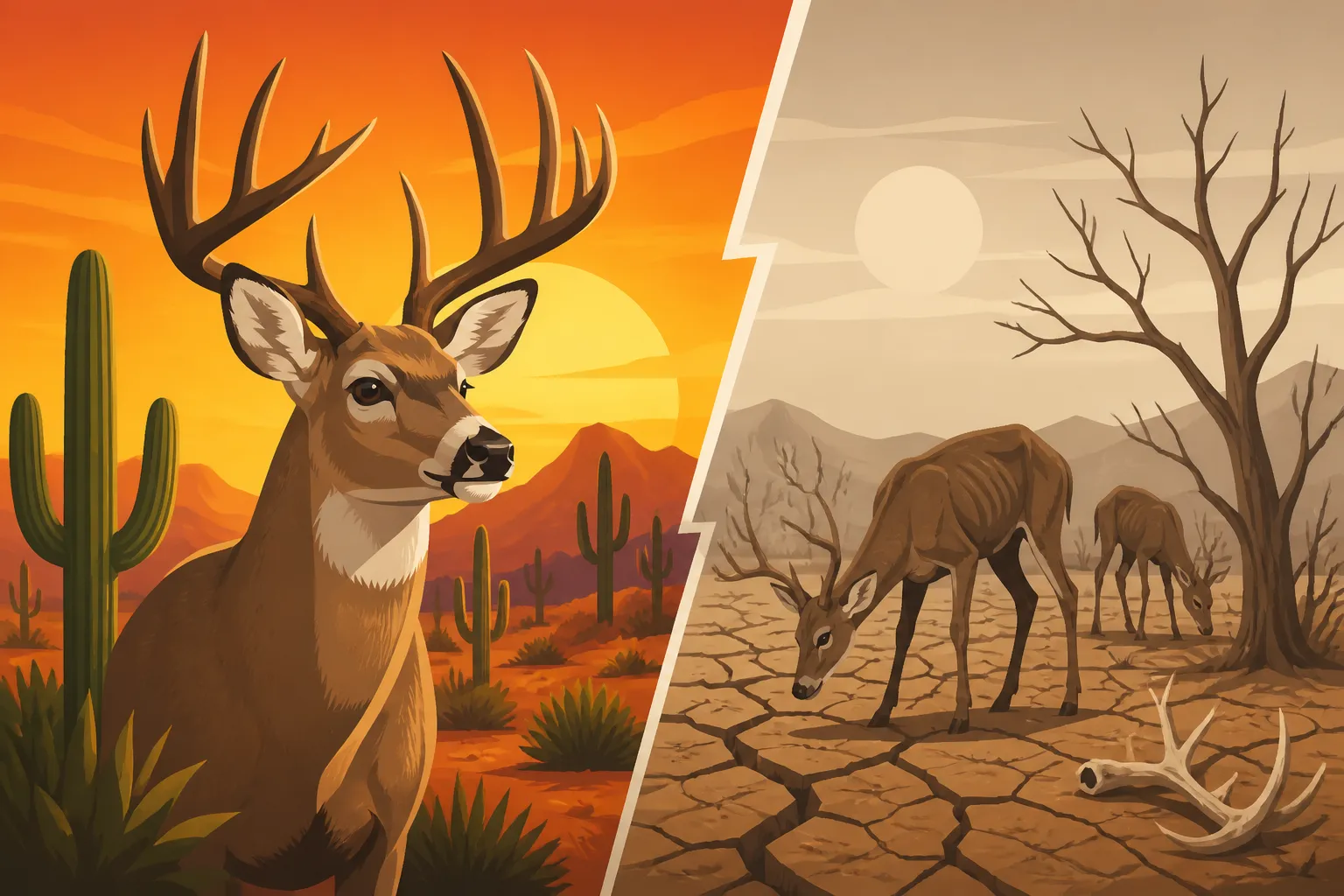
Hunting in Arizona's vast and often unforgiving landscapes comes with its own set of challenges, and one of the most pressing concerns for any hunter eyeing a deer tag is the specter of drought. It's a frustrating reality when you've put in the time and effort to scout, only to see the land parched and the game seemingly vanish. This guide dives deep into exactly how drought conditions impact our desert deer populations, from the immediate effects on their survival to the long-term shifts in their numbers and behavior, helping you understand the forces at play in Arizona's unique ecosystem.
The Immediate Impact of Water Scarcity on Desert Deer
When the skies refuse to open up and the temperatures soar, the first and most obvious challenge for Arizona's desert deer, especially our beloved Coues deer and the mule deer in more arid regions, is simply finding enough to drink. Unlike some species that can get much of their moisture from forage, deer in a prolonged drought face an uphill battle to stay hydrated.
Direct Water Sources Dry Up Quickly
Imagine those small, isolated potholes and tinajas in the desert washes that usually hold water for weeks after a summer monsoon or winter rain. In a drought year, these crucial water sources simply don't materialize, or they evaporate at an alarming rate. Deer, especially the smaller Coues deer that inhabit the Sky Islands and southern Arizona ranges, rely heavily on these natural catchments. As they dry up, deer are forced to travel further and further, expending precious energy and exposing themselves to predators. This increased travel can also lead to more direct competition for the remaining water, putting stress on the animals and making them more vulnerable. Finding Water in Arizona's Dry Country becomes an even more critical skill for both deer and hunters alike.
Impact on Forage Moisture and Palatability
Beyond the standing water, drought also dramatically reduces the moisture content in the plants deer feed on. Many desert plants, like browse and succulents, are usually a significant source of hydration for deer. When these plants are severely dried out and unpalatable, deer essentially lose a major part of their water intake. They might consume more dry matter, which paradoxically requires more water to digest, exacerbating their dehydration. The quality of the forage also declines, meaning even if a deer finds something to eat, it might offer less nutritional value. This dual punch of dry forage and depleted surface water pushes deer to their physiological limits, leading to poorer body condition overall.
Long-Term Effects on Forage and Habitat Quality
Drought isn't just a fleeting problem; its tendrils stretch far into the future, fundamentally altering the very habitat that supports Arizona's deer herds. The ground itself, the vegetation, and even the larger ecosystem all suffer, creating a cascading effect on deer numbers.
Reduced Nutritional Value and Availability of Forage
Year after year of insufficient rain can lead to a severe decline in the quantity and quality of forage. Perennial grasses and shrubs, vital food sources, might die back or produce significantly less new growth. Annual forbs, which often pop up after good rains and are critical for a deer's diet, simply won't germinate or flourish. This sustained lack of nutritious food directly impacts a deer's ability to maintain body weight, recover from the rut, or grow healthy antlers. A deer struggling to find enough to eat is a deer in poor condition, making it less resilient to disease and extreme temperatures. This is especially true for our Coues Deer Are Arizona's Signature Whitetail, who rely on the varied plant life of their mountain habitats.
Habitat Degradation and Invasive Species
Prolonged drought can also cause widespread habitat degradation. Topsoil, no longer held in place by healthy vegetation, becomes susceptible to wind and water erosion when rain does eventually come, washing away vital nutrients. Native plant communities can struggle to recover, creating opportunities for invasive species, often less palatable or nutritious for deer, to take root. These invaders can outcompete the native plants, further reducing the overall carrying capacity of the land. Over time, what was once prime deer habitat can become a sparse, less productive landscape, making it harder for deer populations to rebound even after the rains return. Understanding How Drought Affects Desert Deer Numbers requires looking beyond the immediate thirst to these broader ecological shifts.
How Drought Influences Fawn Survival and Reproduction
The cycle of life for desert deer is intimately tied to the rhythm of rainfall. Drought years can throw a wrench into this delicate balance, impacting everything from a doe's ability to conceive to the survival of her offspring. It's a critical bottleneck that severely limits population growth.
Lower Fawn Survival Rates Due to Poor Maternal Condition
A doe that has endured a drought year will likely be in poorer physical condition. She might enter breeding season with less fat reserves and lower overall health. This directly affects her ability to carry a fawn to term and, crucially, to produce enough milk to nourish it after birth. Fawns born to stressed does are often smaller, weaker, and have a reduced chance of survival. With limited water and sparse, nutrient-poor forage, the chances of a fawn making it through its first few months plummet dramatically. Why Fawn Ratios Predict Next Season becomes particularly relevant in drought years, as low fawn-to-doe ratios are a clear indicator of a struggling population.
Reduced Reproductive Success in Does
Beyond fawn survival, drought can also impact the reproductive success of does at a more fundamental level. If a doe's body condition is too poor, she might not enter estrus at all, or her conception rate could be significantly lower. It's nature's way of preventing offspring in conditions where they are unlikely to survive. This means fewer fawns are even conceived in the first place, leading to a smaller cohort of young deer entering the population. For hunters, this translates to fewer deer on the landscape a year or two down the line. When considering Hunting a Stock Tank During Early Archery, a hunter might notice fewer family groups if drought has hit hard.
| Impact Category | Short-Term Drought Effect | Long-Term Drought Effect | Deer Population Outcome |
|---|---|---|---|
| Water Access | Immediate dehydration, increased travel to water. | Drying up of perennial springs, reduced water table. | Increased mortality, higher stress, reduced health. |
| Forage Quality | Plants become dry, unpalatable, low moisture content. | Loss of native plant species, invasive species dominance. | Poor body condition, reduced antler growth, disease susceptibility. |
| Reproduction | Does in poor condition, reduced milk production. | Lower conception rates, fewer fawns born. | Lower fawn survival, smaller year classes, declining population. |
| Habitat Health | Temporary sparse cover, increased dust. | Soil erosion, desertification, altered ecosystem. | Reduced carrying capacity, slower recovery of deer numbers. |
Strategies for Wildlife Management and Hunter Adaptation
Understanding the challenges drought poses isn't just about lamenting the situation; it's also about recognizing how wildlife managers adapt and how we, as responsible hunters, can adjust our strategies to be both effective and ethical.
Wildlife Management Responses to Drought
Arizona Game and Fish Department (AZGFD) biologists keep a close eye on drought conditions, often using metrics like rainfall, forage production, and water availability to assess the health of deer populations. In severe, prolonged droughts, they might implement specific measures. This could include emergency water hauling to wildlife guzzlers in critical areas to provide relief, or even adjusting permit numbers in future draws to allow populations time to recover. They also undertake Water Development Projects Built for Wildlife to create more reliable water sources. Sometimes, special hunts might even be considered to reduce pressure on the most stressed areas, although this is less common for deer during drought. This adaptive management approach is crucial for supporting our state's diverse game species.
Hunter Adaptation and Ethical Considerations
For us hunters, drought years demand a more flexible and often more conservative approach. We might need to adjust our expectations, knowing that deer densities could be lower and animals might be in poorer condition. Scouting becomes even more critical, focusing heavily on finding those precious water sources and any pockets of resilient forage. Using tools like GoHunt can help you e-scout for potential water and better understand historical rainfall patterns in your chosen unit. This detailed pre-season work can make all the difference. E-Scouting an Arizona Unit Before the Season is never more important than when drought is a factor.
It's also a time to redouble our ethical commitment. If we encounter a deer in extremely poor health, we might choose to pass, allowing it a chance to recover. Focusing on quick, clean harvests becomes paramount, especially if an animal is already stressed. Packing out meat quickly and efficiently is always important, but the added stress on an animal and the increased heat of a drought year mean that Field Dressing in Desert Heat requires even more diligence to prevent spoilage. Being prepared with extra water for ourselves and to potentially assist an animal in distress, if ethical and legal, shows true sportsmanship. Checking Where the Current Arizona Regulations Are Posted before your hunt is always a good idea, as specific rules can change based on environmental conditions.
Disclaimer
This article is for general informational purposes only and does not constitute professional advice. Laws, prices and regulations vary by location and change over time. Consult a qualified professional for guidance on your specific situation.