Kaibab Plateau Elk Genetics
Kaibab Plateau elk genetics, shaped by geographic isolation and Yellowstone founder effects, explain the herd massive size.
Know what you’re after.
Big game, small game, upland birds, and waterfowl — identification, behavior, rut and migration timing, and how each species moves through the season.
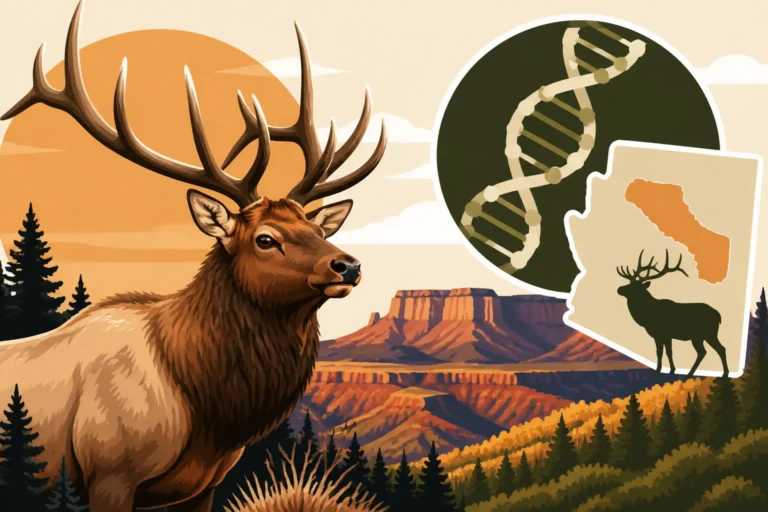
Kaibab Plateau elk genetics, shaped by geographic isolation and Yellowstone founder effects, explain the herd massive size.
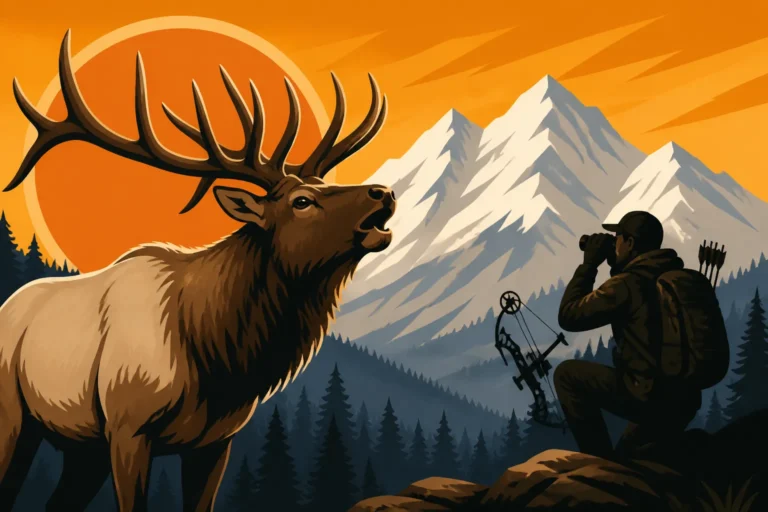
White Mountains elk hunting strategies, elevation ranges from six to eleven thousand feet, vegetation zones, and water sources for Arizona hunters.
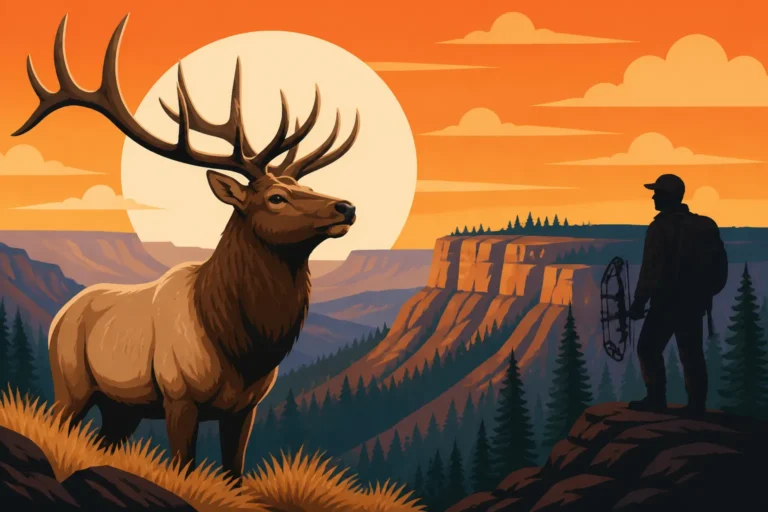
Arizona elk hunting on the Mogollon Rim requires understanding seasonal movements, steep terrain, and vital water sources.
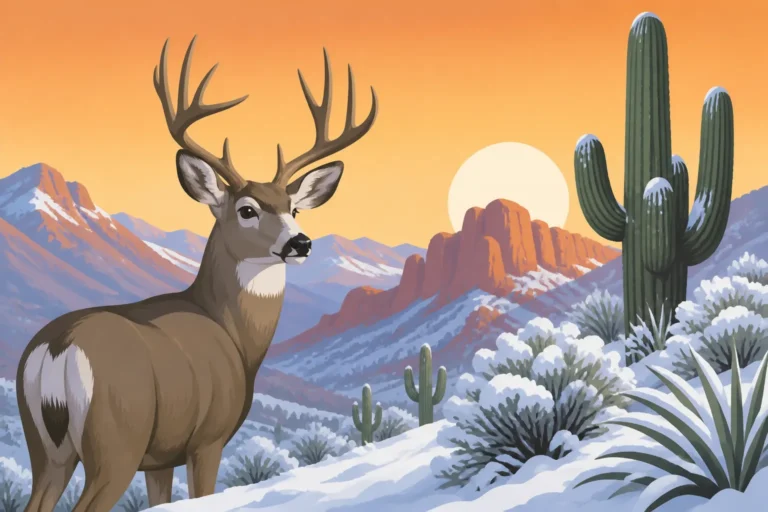
Arizona mule deer migrate from northern plateaus to lower elevations, seeking accessible food and thermal protection during winter.
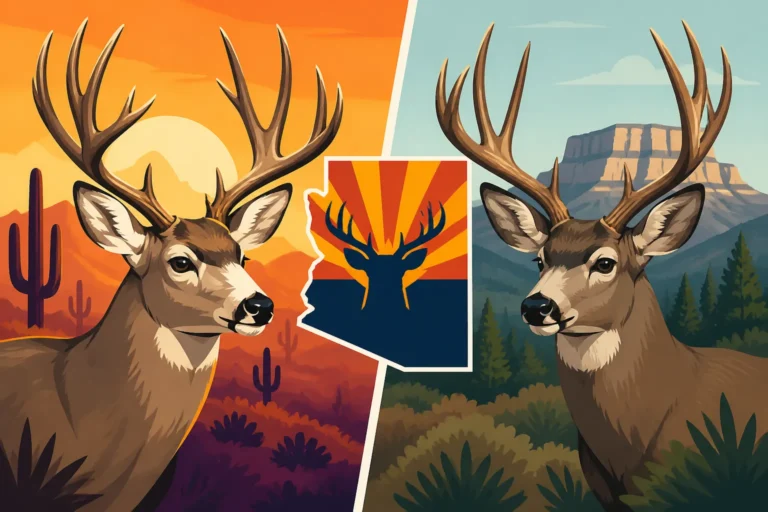
Arizona Strip and Kaibab mule deer reputation, genetics, habitat quality, management strategies, and trophy potential for hunters.
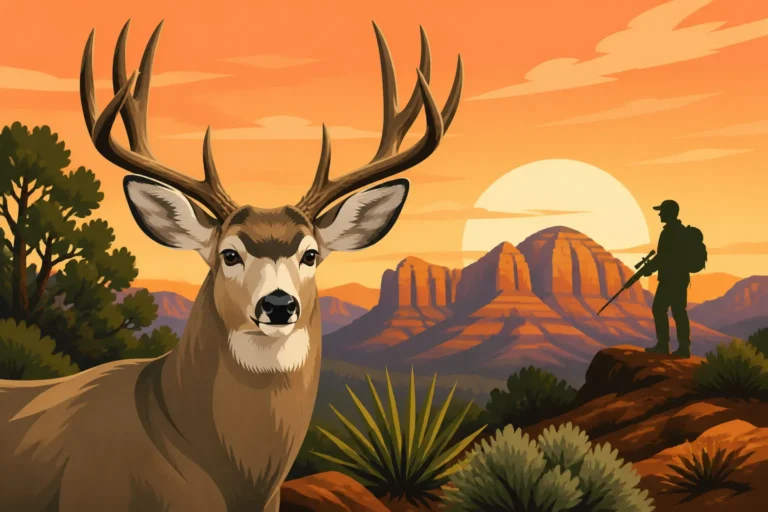
Northern Arizona mule deer hunting strategies, high plateau and canyon habitats, and tag draw systems for big game hunters.
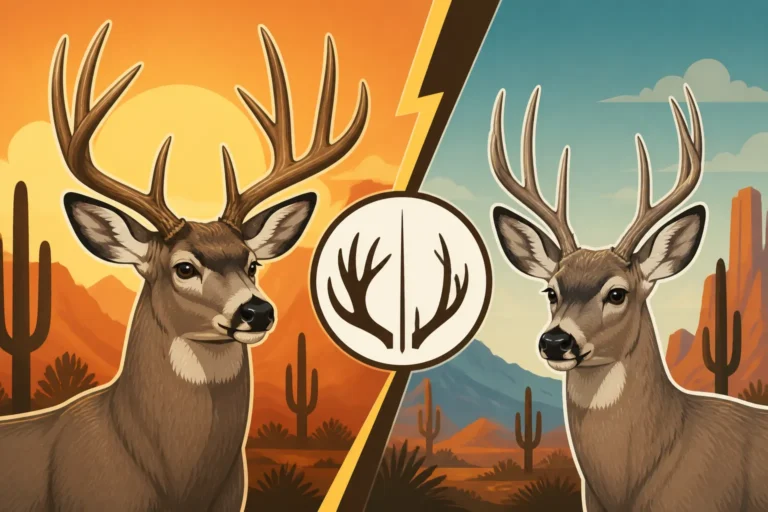
Antler identification details help Arizona hunters distinguish Coues whitetail deer from mule deer to avoid legal infractions.
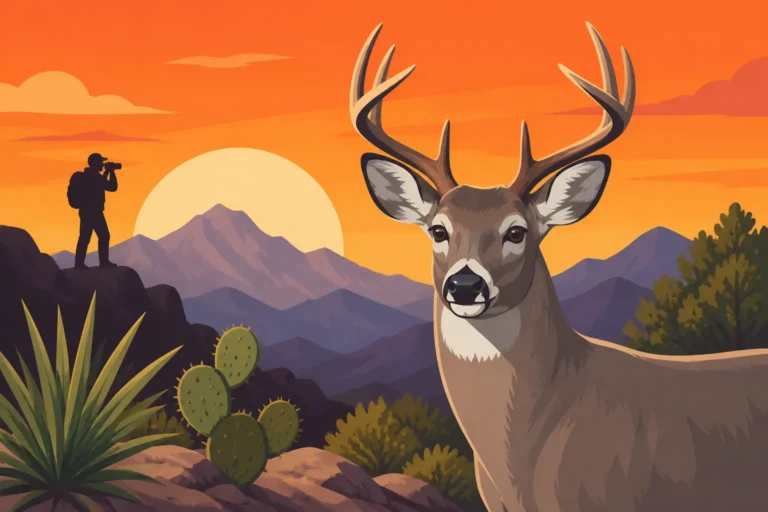
Coues deer habitat in the southeastern Sky Islands provides hunters with specific strategies to locate and successfully hunt the gray ghosts.
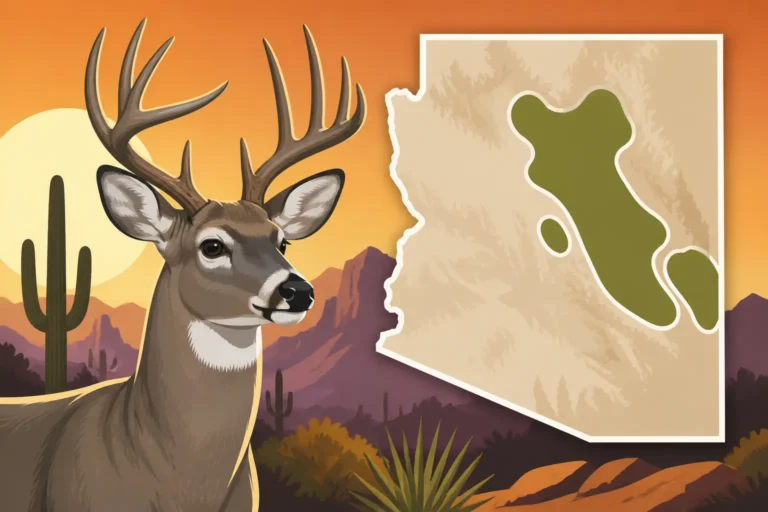
Coues whitetail deer habitats in Arizona span mountain ranges and elevations between three thousand and nine thousand feet.
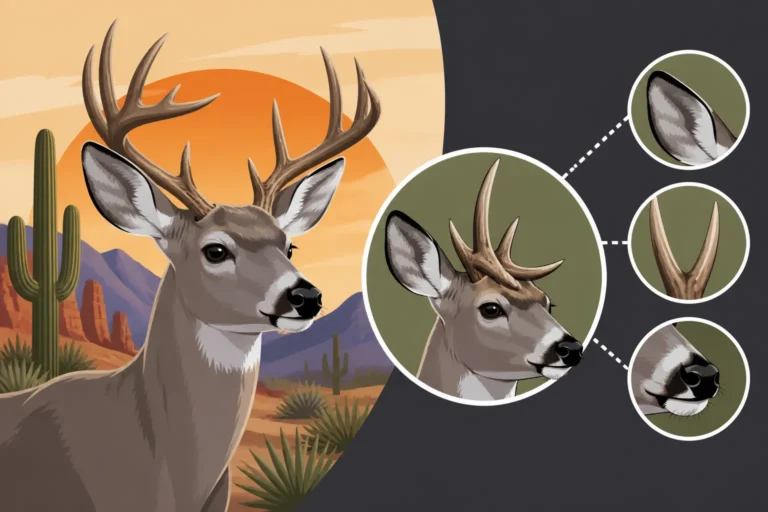
Coues deer distinct size, weighing seventy to eighty pounds, and gray desert coats explain how they differ from Eastern whitetails.