Wildlife Areas Managed by Arizona Game and Fish
Finding reliable, accessible public hunting ground in Arizona can sometimes feel like solving a complex puzzle. With vast stretches of BLM, National Forest, and State Trust Land, it's easy to get lost in the sea of regulations and access points. But did you know about the dedicated Wildlife Areas managed directly by the Arizona Game and Fish Department (AZGFD)? These aren't just patches of land; they are specifically designed and managed for wildlife, offering unique and often prime hunting opportunities, and understanding them can unlock some fantastic adventures. This guide will walk you through what these areas are, why they're so valuable to hunters, and how to make the most of them for your next Arizona hunt.
What Are Arizona Game and Fish Department Wildlife Areas?
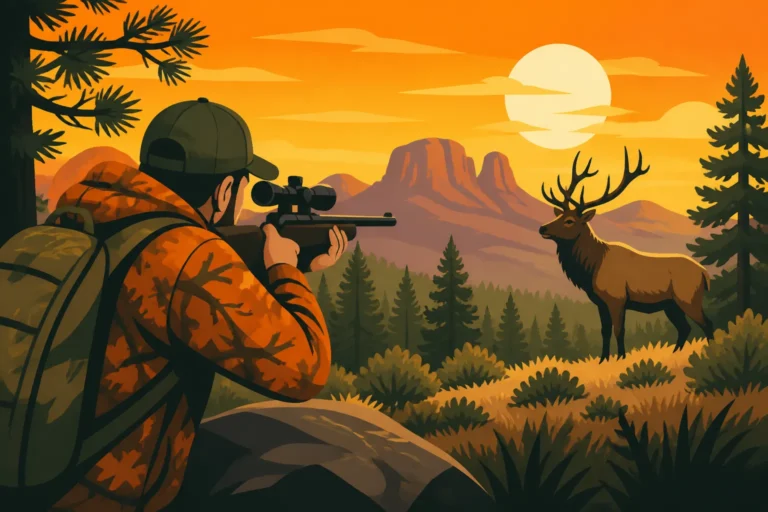
When we talk about hunting public land in Arizona, most hunters immediately think of sprawling national forests or vast tracts of Bureau of Land Management (BLM) property. While these certainly make up the lion's share of our public hunting opportunities, the Arizona Game and Fish Department also manages a network of dedicated Wildlife Areas. These aren't just random parcels; they are strategically acquired and managed pieces of land specifically for wildlife habitat preservation, restoration, and public recreation, with hunting being a key component. Think of them as concentrated pockets where the AZGFD actively works to enhance conditions for game animals, which in turn creates excellent opportunities for hunters like us.
Purpose and Management Goals
The primary goal of these Wildlife Areas is, quite simply, to benefit wildlife. This means everything from improving water sources and forage to protecting critical breeding and nesting grounds. The AZGFD manages these lands with specific species in mind, often focusing on habitat types that are scarce or threatened elsewhere. For instance, a wildlife area might be established to preserve vital riparian corridors for species like turkey or specific deer populations, or to create wetlands crucial for migratory waterfowl. This active management often translates directly into higher wildlife densities or more consistent animal presence than you might find on less intensively managed public lands. It's about providing stable, healthy environments where animals can thrive, and where hunters can find them.
The management often involves habitat manipulation such as prescribed burns, planting specific forage, or maintaining artificial water catchments known as "guzzlers." Unlike general public lands where multiple-use policies might dilute wildlife-centric efforts, these areas prioritize the needs of the animals above almost everything else. This focused approach can lead to a richer hunting experience, as the land itself is optimized to support the game you're pursuing. It’s also a testament to where our license and tag dollars go – directly back into habitat.
How They Differ from Other Public Lands
While you might be hunting deer on BLM land or elk in a National Forest, AZGFD Wildlife Areas operate under a slightly different premise. For starters, their ownership and management fall directly under the state wildlife agency, not federal bodies. This can mean more localized and responsive management practices, tailored precisely to Arizona's unique ecosystems and wildlife populations. The regulations you find on these lands, while still adhering to the broader statewide hunt regulations, can sometimes have additional, specific rules unique to that particular area.
For example, a federal forest might have broad regulations on motorized vehicle use, but an AZGFD Wildlife Area might have very specific seasonal closures, limits on foot traffic, or even designated hunting zones to protect sensitive habitats or ensure public safety during certain periods. It’s crucial to treat these areas as distinct entities, always checking the specific rules for the area you plan to visit in the Reading the Arizona Hunt Regulations Booklet. You can't assume that what's legal on adjacent BLM land is automatically permissible within an AZGFD Wildlife Area. This level of detail, however, isn't meant to be a deterrent; it's simply a reflection of more intensive management designed to create a better overall experience, both for wildlife and for hunters.
Why Hunt Arizona Game and Fish Department Wildlife Areas?
Arizona Game and Fish Department Wildlife Areas offer some compelling reasons for hunters to prioritize them, especially if you're looking for well-managed habitat and often more predictable game encounters. These aren't just random spots on a map; they are strategic pieces of land where the state agency has invested time and resources to create prime conditions for wildlife.
Enhanced Habitat and Game Concentration
One of the biggest draws of AZGFD Wildlife Areas is the intentional habitat enhancement. Unlike some vast stretches of public land where habitat quality can vary wildly, these areas are often hotspots where the department has actively worked to improve forage, water, and cover. This dedicated management means that wildlife often congregates in these areas, particularly during certain times of the year or under specific environmental conditions. For instance, a managed riparian area within a wildlife area might hold a consistent population of Merriam's Turkey Through Arizona's High Country or provide crucial bedding and feeding grounds for deer, even when surrounding desert or forest lands are struggling with drought.
Imagine a desert wildlife area during the late summer months. While natural water sources might be few and far between, the AZGFD might have installed and maintained several guzzlers or stock tanks within the area. These reliable water points become magnets for javelina, deer, and other species, creating predictable patterns for hunters to exploit. This isn't just theory; it's tangible management that influences animal behavior, offering hunters a more targeted approach. You're hunting in a place where the ecosystem is, to a degree, curated for the very animals you're after.
Accessibility and Information
Many AZGFD Wildlife Areas are established with public access in mind, often featuring designated parking areas, improved roads (within limits), and clearer boundaries than some other public land types. While some wilderness areas require extensive backcountry effort, many wildlife areas are designed to be more approachable for day hunts or shorter trips. This doesn't mean they're always easy hunts, but the access itself is often more straightforward. You won't always find yourself needing to navigate obscure easements or question property lines as much as you might on checkerboard private/public lands. Using tools like onX Hunt, which clearly delineates these specific AZGFD managed lands, makes identifying and approaching them much easier.
Furthermore, because these are managed by AZGFD, there's generally a wealth of information available. The department often publishes specific brochures, maps, or online resources detailing the features, accessible entry points, and specific regulations for each area. This level of detail can be incredibly helpful for planning, allowing you to E-Scouting an Arizona Unit Before the Season with confidence, knowing exactly what to expect in terms of terrain, habitat, and permissible activities. It takes some of the guesswork out of finding a good spot and ensures you're hunting legally and ethically.
Navigating and Accessing Arizona Game and Fish Department Wildlife Areas
Once you've identified an AZGFD Wildlife Area that piques your interest, the next step is figuring out how to get there and what to expect once you arrive. While these areas are generally designed for public access, proper planning and understanding of specific rules are essential for a successful and respectful hunt.
Understanding Unit Boundaries and Area Specifics
Arizona is carved up into a comprehensive system of Game Management Units (GMUs), and understanding how these units relate to Wildlife Areas is crucial. An AZGFD Wildlife Area might span across multiple GMUs, or it might be entirely contained within one. Before you even think about stepping foot on the ground, you need to understand where the area lies within the broader GMU structure. This is vital for ensuring your tag is valid for the specific unit, and that you're hunting during the correct season. You can find excellent resources for this by checking Where Arizona Publishes Unit Access Maps and carefully studying Reading an Arizona Game Management Unit Map.
Each Wildlife Area can have its own quirks. Some are predominantly riparian, following a river or creek bed, while others might encompass vast tracts of desert scrub or even smaller, isolated mountains. These geographical differences directly impact the type of game you'll find and the hunting strategies you'll employ. For instance, a wetland-focused area will likely be prime for waterfowl and other migratory birds, while a desert area might offer excellent opportunities for Hunting Coyotes Year Round in the Desert or javelina. It's not a one-size-fits-all approach; each area demands its own research.
| Wildlife Area Type | Typical Habitat Features | Common Game Species | Special Considerations |
|---|---|---|---|
| Riparian | Rivers, creeks, dense trees | Turkey, Coues Deer, Waterfowl, Small Game | Seasonal closures, sensitive habitats |
| Wetland/Marsh | Ponds, marshes, cattails | Waterfowl, Dove, Small Game | Water levels, hunting blinds, non-toxic shot |
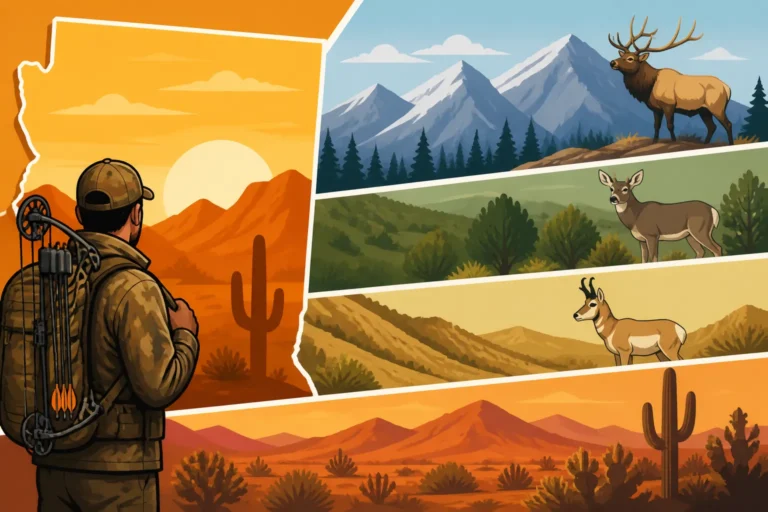
| Desert Scrub | Cacti, mesquite, rocky hills | Javelina, Mule Deer, Coues Deer, Quail | Water sources are key, heat management |
| Grassland | Open plains, scattered brush | Pronghorn, Quail, Cottontail | Long sightlines, wind considerations |
| High Elevation | Pine forests, oak brush | Elk, Mule Deer, Turkey, Bear | Snow access, elevation changes |
Navigating with Digital Tools and Respecting Access Points
In today's hunting world, digital mapping tools are indispensable, and they truly shine when it comes to navigating AZGFD Wildlife Areas. Applications like onX Hunt clearly mark public land boundaries, including these specific state-managed areas. You can overlay land ownership layers to ensure you're always on legal ground and identify accessible roads, trails, and potential ingress points. This helps prevent accidental trespass onto private land that might border a Wildlife Area, or venturing into off-limits sections within the area itself. Using onX Layers for Arizona Public Land is a game-changer for this kind of detailed planning.
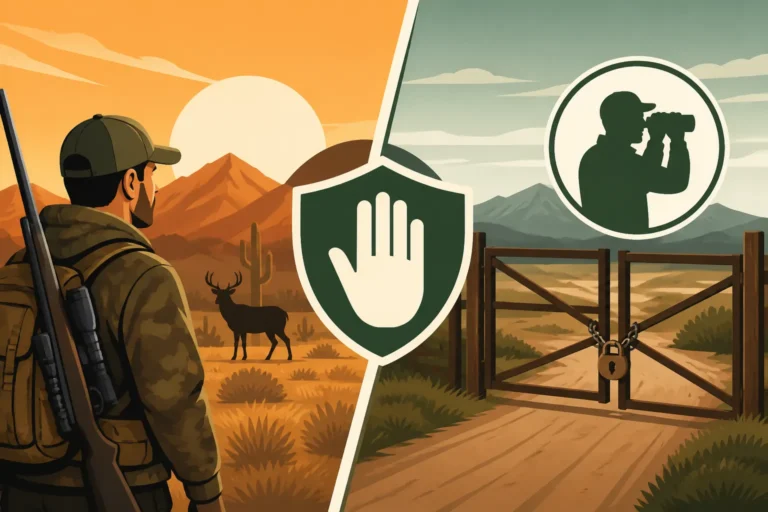
When accessing these areas, always look for designated parking and entry points. Respect any posted signs regarding vehicle use, foot traffic, or restricted zones. While many areas are quite open, some may have seasonal road closures, especially during wet periods or critical wildlife breeding seasons, so be sure to check those rules before you head out. These rules are put in place for a reason – to protect the habitat and ensure a quality experience for all users. If you're planning to use an Off-Highway Vehicle (OHV), be sure you're familiar with Motorized Travel Rules on Arizona Public Land as they apply to these specific areas, as rules can vary. Driving past a closed gate, even if it looks like a faint trail, can not only result in a citation but also damage fragile ecosystems.
Common Game Species Found in Arizona Game and Fish Department Wildlife Areas
One of the great advantages of AZGFD Wildlife Areas is the diversity of game species they support, largely due to their focused habitat management. Depending on the specific geographical characteristics and management objectives of each area, you can find opportunities for everything from big game to a variety of small game.
Big Game Opportunities
While often smaller in acreage compared to vast national forests, some AZGFD Wildlife Areas can provide excellent opportunities for big game, particularly deer and javelina. Many of these areas are specifically managed to enhance crucial habitat for Coues Deer Are Arizona's Signature Whitetail or mule deer, especially those areas encompassing riparian corridors or specific types of desert browse. You might find a small, isolated mountain range within a Wildlife Area that acts as a haven for a resident deer population, providing consistent hunting opportunities year after year. Given the concentrated efforts on water and forage, these areas can be magnets for deer during dry periods, making them prime spots for early archery seasons.
Javelina are another species commonly found in many desert-oriented Wildlife Areas. These tough little "pigs" (though technically peccaries) thrive in the dense scrub and rocky terrain often preserved and enhanced within these areas. Since Arizona Javelina Tags Are Available All Year in some forms, these Wildlife Areas can be a fantastic place to pursue them without the need for a drawn tag, often allowing for great archery or general season hunting experiences. Look for areas with dense mesquite, prickly pear, and rocky washes, as these are prime javelina habitats that are often features of AZGFD Wildlife Areas.
Small Game and Waterfowl Hunting
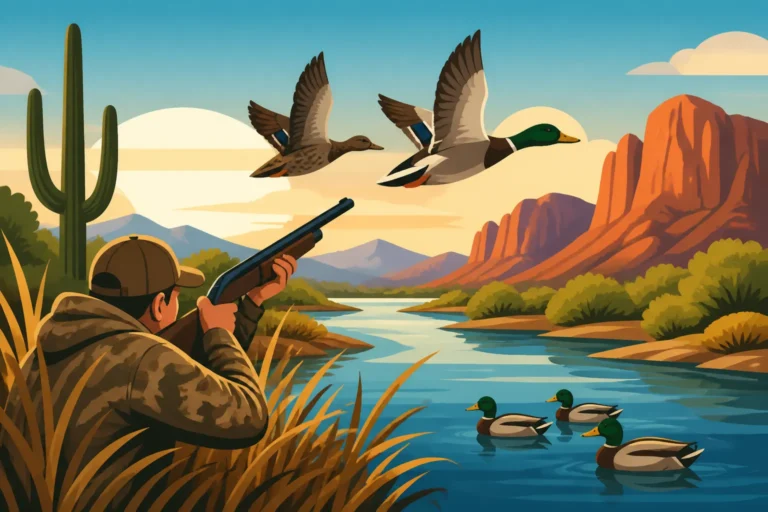
Beyond big game, many AZGFD Wildlife Areas are absolute gems for small game hunters and waterfowl enthusiasts. Several areas are specifically managed for their wetland components, creating critical stopovers and breeding grounds for migratory waterfowl. These can offer phenomenal duck and goose hunting during the appropriate seasons, often with established blinds or accessible shorelines. If you're into Quail, Dove and Arizona's Small Game Tradition, many desert and grassland Wildlife Areas provide ideal habitat for Gambel's, Mearns, or Scaled quail, as well as mourning and white-winged dove.
The concentrated habitat management means better conditions for these species, and often higher populations. Imagine a Wildlife Area with extensive mesquite bosques and open desert. This would be prime for dove hunting during the early season, and then transition into excellent quail country as the fall progresses. The specific attention to water sources in these areas makes them particularly attractive for small game, as all animals need reliable hydration in Arizona's arid climate. Hunters often key in on these Water Sources and Ethics in Arizona Desert Hunting when pursuing quail and dove, knowing that wildlife areas have often gone the extra mile to provide them. Remember, specific regulations for migratory birds or certain small game might apply within these areas, so always check the current hunt regulations.
Rules, Regulations, and Ethical Considerations
Hunting in an AZGFD Wildlife Area comes with the responsibility of understanding and adhering to a particular set of rules and ethical guidelines. While the general statewide regulations always apply, these managed areas often have additional specific mandates designed to protect sensitive habitats, manage concentrated wildlife, and ensure a quality experience for all visitors.
Specific Area Regulations and Permitting
The most critical step before hunting any AZGFD Wildlife Area is to consult the current Arizona Hunting Regulations booklet. This isn't just a suggestion; it's a necessity. Each Wildlife Area may have specific rules regarding weapon types, shooting hours, vehicle access, camping, and even the use of certain types of calls or blinds. For example, a wetland wildlife area might require the use of non-toxic shot for all hunting, even for upland game, to protect water quality and non-target species. Another area might have specific entry and exit times, or zones where hunting is prohibited entirely to protect nesting birds or provide wildlife sanctuaries.
It's also important to clarify if any special permits, beyond your standard hunting license and tag, are required. While your Arizona hunting license generally grants you access to State Trust Land, AZGFD Wildlife Areas might have their own permit structures or specific sign-in procedures to monitor usage. Always look for signage at entry points and check the AZGFD website for area-specific pages. Ignorance of these rules is not an excuse, and violations can lead to citations, fines, or even the loss of hunting privileges. Think of it as a privilege, not just a right, to hunt in these specially managed spaces.
Respecting Wildlife and Other Users
Hunting in an AZGFD Wildlife Area often means you're in a place where wildlife is intentionally concentrated, and where other outdoor enthusiasts might also be present. This calls for an elevated level of ethical behavior and respect. Be mindful of your impact on the habitat; avoid driving off designated roads, don't litter, and pack out everything you pack in. If you're pursuing Hunting a Stock Tank During Early Archery or any other water source, consider how your presence might affect other animals trying to access that water. Give wildlife ample space and avoid undue harassment.
Furthermore, these areas are often open to hikers, birdwatchers, photographers, and other non-hunting recreationists. Maintaining a respectful distance, being aware of your surroundings, and acting courteously towards all users is paramount. This includes being discreet with your hunting activities, especially when near trails or common access points. Wearing blaze orange when required by Blaze Orange Requirements Through the Season is a safety measure for all. Our behavior as hunters shapes public perception of our sport, and acting as responsible stewards of these special places ensures they remain open for hunting for generations to come. Using resources like GoHunt to understand overall unit pressure can help, but within a Wildlife Area, assume there will be other users.
Planning Your Hunt: Tips for Success in AZGFD Wildlife Areas
Successfully hunting Arizona Game and Fish Department Wildlife Areas requires more than just showing up with a tag; it demands diligent planning, smart scouting, and a strategic approach. These areas, while often productive, also mean dealing with concentrated wildlife and potentially other users, so a well-thought-out plan is your best asset.
Scouting for Key Areas and Sign
Pre-season scouting is always important, but it's absolutely critical for AZGFD Wildlife Areas. Because these areas are actively managed, identifying the specific features that attract game within them is your first priority. Look for improved water sources, specific food plots, dense bedding cover, or natural travel corridors that animals are using. Use satellite imagery on mapping apps like onX Hunt to identify these features from afar, then hit the ground to confirm. Your goal isn't just to see animals, but to understand why they are there and how they are moving through the area.
Pay close attention to fresh tracks, scat, rub lines, and feeding sign. Are deer browsing specific plants? Are javelina rooting in certain patches of dirt? Is there evidence of waterfowl using specific ponds? This fresh sign tells you where the animals are currently active. Consider the time of year and anticipated weather. An area that's dry in August might be lush after the monsoons, completely changing game patterns. When scouting, be mindful of human pressure as well; look for less obvious entry points or areas that require a bit more effort to reach, as these might hold less pressured animals. You might find some excellent insights into this process by reading Scouting an Arizona Unit Before the February Deadline.
Timing Your Hunt and Strategic Approaches
The timing of your hunt within an AZGFD Wildlife Area can make all the difference. Early mornings and late evenings are almost always the most productive for big game and many small game species, as animals are typically most active during these cooler, lower-light periods. However, consider the impact of other hunters. If an area is known to be popular, hitting it midweek or even mid-day (if you can adapt your strategy to bedding areas) might yield better results by avoiding the crowds. The goal is to hunt when the animals are most likely to be moving or feeding, and when human disturbance is at a minimum.
Your strategic approach will depend heavily on the species and terrain. For deer, glassing from a vantage point into key feeding or bedding areas can be highly effective, particularly in open desert or grassland areas. For javelina, slow still-hunting through dense cover, relying on your nose and ears, can pay off. Waterfowl hunting will require patience in a blind, while quail hunting is often about covering ground with a dog or systematically working through known covey areas. Always adapt your strategy to the specific conditions of the Wildlife Area and the behavior of the game you're pursuing. Be prepared for varied terrain, which could mean packing light for long hikes or carrying extra water in arid environments. Preparing Physically for a Desert Hunt is always good advice, no matter where you plan to be.
Disclaimer
This article is for general informational purposes only and does not constitute professional advice. Laws, prices and regulations vary by location and change over time. Consult a qualified professional for guidance on your specific situation.