Is Javelina Meat Worth Eating?
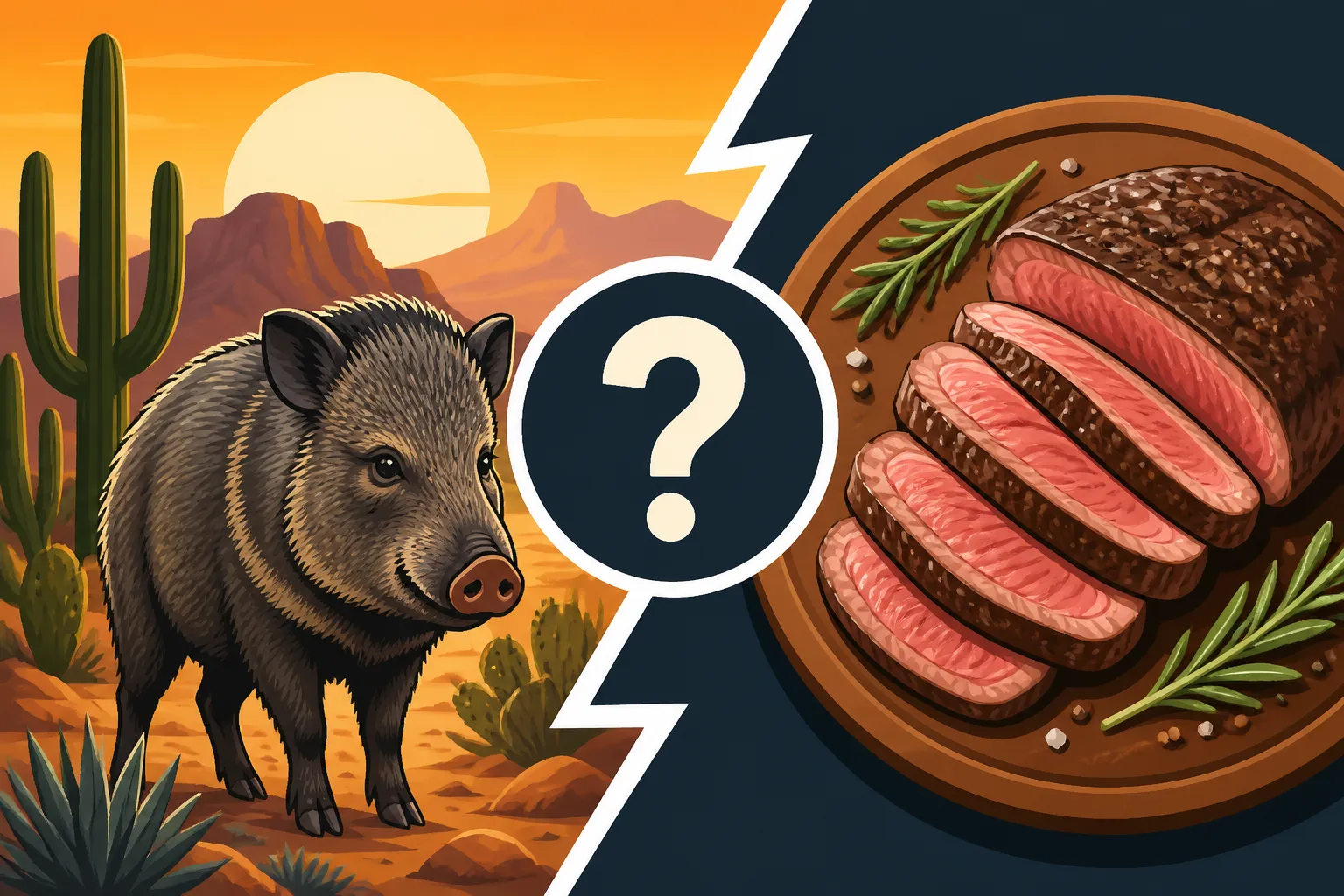
Many Arizona hunters, especially those venturing into the desert for the first time in pursuit of these unique little "desert pigs," often find themselves wrestling with a big question once the dust settles: is javelina meat actually worth eating? You’ve likely heard a whispered warning or two, maybe a grim tale about a “musky” flavor, and it can certainly make you hesitant to bring that hard-earned harvest to the dinner table. But fear not, because we're about to slice through the myths and uncover the delicious truth about what it really takes to enjoy javelina meat.
The Javelina Meat Reputation: Separating Fact from Fiction
Let's be honest, the reputation of javelina meat often precedes it, and not always in a good way. Many hunters approach their first javelina harvest with trepidation, having been told stories of strong, off-putting flavors. This hesitation is completely understandable, as nobody wants to invest time, effort, and a tag into an animal only to find its meat inedible. However, much of this negative reputation stems from common misconceptions and, more importantly, a lack of understanding about proper field care and preparation.
The "Musky" Myth and Glandular Concerns
One of the biggest culprits behind the javelina's dubious culinary fame is the notion of "musk." Javelina, or collared peccaries, possess a prominent dorsal scent gland located on their lower back, just in front of the tail. This gland produces a strong, musky odor, especially noticeable on mature boars. The fear among hunters is that this musk will permeate the meat, rendering it unpalatable.
Here’s the critical truth: if handled correctly, this gland poses absolutely no threat to the meat quality. The problem arises when hunters accidentally rupture this gland during skinning or field dressing, allowing its pungent contents to spread. Think of it like a skunk; the scent is powerful, but if you don't break the gland, the meat itself is unaffected. The key is awareness and precision. When you're field dressing your javelina, make a conscious effort to skin around this gland, leaving it attached to the hide that you'll be discarding. If you're careful, the meat beneath will be clean and free of any "musky" taint. This crucial step is often overlooked by new hunters or those who treat a javelina exactly like a domestic hog, leading to disappointment and perpetuating the myth.
Why Javelina Are Not Wild Pigs and Why It Matters for Flavor
Another significant factor contributing to the culinary confusion around javelina is their mistaken identity. Despite their pig-like appearance, rooting habits, and even their common nickname "desert pig," javelina are not, in fact, pigs at all. They belong to a completely separate biological family called Tayassuidae, while true pigs are in the family Suidae. This distinction, while seemingly academic, has a very real impact on their meat. If you've ever wondered What Family Javelina Actually Belong To, it explains a lot.
Wild hogs, or feral pigs, which are prevalent in many parts of the country (though distinct from Arizona's javelina), are true pigs. Their meat often carries significant fat, and the flavor can vary wildly depending on their diet, age, and whether it's a boar or a sow. Older boars, in particular, can have very strong-tasting meat due to hormonal influences. Javelina, on the other hand, are incredibly lean animals. Their diet, which primarily consists of desert vegetation like prickly pear cactus, agaves, and mesquite beans, contributes to a cleaner, milder flavor profile than many assume. Because they are so lean, their meat, when properly cared for, avoids the greasy, sometimes overly robust flavors that can be associated with some wild hog meat. Understanding How Javelina Differ From Wild Pigs is the first step to appreciating their unique culinary potential.
Essential Field Care and Processing for Optimal Flavor
The success of your javelina meal begins not in the kitchen, but literally seconds after you pull the trigger. Proper field care is paramount, especially when hunting in Arizona's often unforgiving desert heat. Neglect these steps, and even the leanest, best-tasting game animal can quickly become tough, dry, or gamey.
Immediate Field Dressing: Time is of the Essence
As with any game animal, the sooner you can get your javelina field dressed, the better. This means removing the entrails to allow the body cavity to cool down. In Arizona, where temperatures can soar even during typical javelina seasons, this cooling process is absolutely critical. Imagine a hot day, with the sun beating down on your harvested animal. Internal heat can quickly begin to degrade the meat, leading to bacterial growth and an off-flavor.
Once your javelina is down, secure it. Then, immediately begin the field dressing process. Make your initial incision from the sternum down to the pelvis, being careful not to puncture the intestines. Cut around the anus and remove the entire entrails. This allows airflow and begins the cooling process from the inside out. For a comprehensive guide on managing your harvest in the desert, check out tips on Field Dressing in Desert Heat. The goal is to dissipate that body heat as rapidly as possible to preserve the quality of the meat.
Proper Skinning and Gland Removal
This step is arguably the most important for ensuring delicious javelina meat. Remember that dorsal scent gland? This is where you actively prevent it from tainting your harvest. Once you've field dressed the animal, hang it if possible – this makes skinning much easier. When you begin to skin, pay particular attention to the area around the scent gland, which is typically found on the lower back, about 6-8 inches in front of the tail, appearing as a dark, raised patch of skin.
Crucial Technique: When you reach the gland, cut around it, leaving it attached to the hide. Do not slice into it, puncture it, or allow your knife to touch the gland and then the meat. Many experienced javelina hunters will even wear gloves and have a separate knife just for the initial skinning and gland removal, or at least meticulously clean their knife after cutting around the gland before touching the meat again. Once the hide (with the gland safely attached) is removed, the carcass should be completely free of any strong odors, a testament to proper handling.
Cooling and Transporting Your Harvest
After field dressing and skinning, the next challenge is getting that meat cold, and keeping it cold. In Arizona, this often means having a plan for ice. A large cooler packed with ice is your best friend. Quarter your javelina into manageable pieces if it doesn't fit whole, or simply pack the skinned carcass directly onto ice. Ensure the meat is in direct contact with the ice, and consider using game bags to keep it clean while allowing air circulation.
Don't underestimate the power of a good cooler and plenty of ice. Even a short drive in a warm truck can compromise meat that hasn't been properly chilled. You want that meat to be firm and cool to the touch as soon as possible. For early season hunts, especially when pursuing Javelina Season Dates by Weapon during warmer windows, having a robust cooling strategy is non-negotiable. Think about how you'll manage Getting Meat Cooled on an Early Season Hunt long before you ever head afield. This diligent care from shot to cooler is what transforms potentially "gamey" meat into a culinary delight.
The True Flavor Profile and Versatility in the Kitchen
So, you've done everything right: careful shot placement, immediate field dressing, precise skinning to avoid the gland, and rapid cooling. Now, the moment of truth: what does javelina meat actually taste like? Forget the horror stories; you're in for a pleasant surprise.
Describing the Taste: Beyond "Pork-like"
Let’s set the record straight: javelina meat, when properly handled, is not "porky" in the traditional sense, nor is it overwhelmingly "gamey." Its flavor profile is actually quite unique – lean, savory, and often described as a cross between venison and a very lean cut of beef, with a faint, earthy undertone that hints at its wild origins. It doesn't have the sweetness or the high-fat mouthfeel of domestic pork. Instead, it offers a robust, fine-grained texture that lends itself beautifully to various cooking methods.
The key words here are "lean" and "savory." Because javelina are so lean, they don't have the intramuscular fat that keeps some cuts of beef or pork moist during quick cooking. This means you might need to add a bit of fat (bacon grease, olive oil) or rely on slow-cooking methods to prevent it from drying out. But the flavor itself is rich and distinct, a true taste of the Arizona desert.
Culinary Applications: From Slow-Cooked to Grilled Delights
The versatility of javelina meat in the kitchen is truly impressive, once you understand its characteristics. Its lean nature and robust flavor make it perfect for dishes that benefit from slow cooking or grinding.
- Slow-Cooked Wonders: Javelina shines in chili, stews, and braises. Think javelina carnitas, pulled javelina tacos, or a hearty javelina chili. The long, slow cooking breaks down any toughness, allowing the meat to become fork-tender while infusing it with flavor from your chosen spices and liquids. Imagine serving rich javelina chili after a crisp morning hunt, sharing stories around the campfire.
- Ground Meat Magic: Grinding javelina transforms it into an incredibly versatile ingredient. You can use ground javelina for savory burgers (mixed with a little pork fat or bacon for moisture), meatballs, sausage, or as the base for shepherd's pie. Many hunters find that grinding is the easiest way to process and enjoy the majority of their javelina harvest.
- Roasts and Chops: While less common due to the lean nature, smaller roasts or thicker cuts can be excellent when marinated and cooked low and slow, perhaps in a Dutch oven with root vegetables. Just remember to avoid overcooking!
There are countless ways to prepare this meat, and exploring recipes can be part of the adventure. Many hunters, when doing their research for an upcoming hunt, might turn to resources like GoHunt for unit information or hunting tactics. You can also leverage such platforms to find community-shared recipes and preparation tips specific to game species like javelina.
Here's a quick comparison of javelina meat versus other common game and domestic meats to help set expectations:
| Aspect | Javelina Meat (Properly Handled) | Wild Hog (Feral Pig) Meat | Domestic Pork (Lean Cuts) | Venison (Deer Meat) |
|---|---|---|---|---|
| Flavor Profile | Mildly gamey, lean, savory, earthy undertones | Can be strong, variable, often greasy, sometimes "porky" | Mild, slightly sweet, often fatty | Richly gamey, lean, earthy, often with metallic notes |
| Texture | Fine-grained, firm, can be dry if overcooked | Coarse, can be tough, variable depending on age/cut | Tender, juicy | Fine-grained, firm, very lean, can be dry if overcooked |
| Fat Content | Very low | Variable, often high, especially in older boars | Moderate to high | Very low |
| Best Cooking Method | Slow-cooking (stews, chili), grinding, braising | Slow-cooking, smoking, grinding, braising | Grilling, roasting, frying, slow-cooking | Slow-cooking (stews, chili), grinding, searing (tender cuts) |
| Key to Palatability | Proper field care, especially scent gland avoidance, slow cooking | Age, diet, and sex of animal, extensive trimming, slow cooking | Quality of cut, proper cooking temperature | Proper field care, marinating, avoiding overcooking |
GoHunt's Role in Researching and Enhancing Your Javelina Experience
While GoHunt is a fantastic resource primarily known for its detailed draw odds, unit profiles, and e-scouting tools, don't overlook its community forums or content sections for practical hunting advice that extends beyond just finding your animal. Many hunters share tips on game processing and even recipes there. When you're planning your Arizona javelina hunt, a platform like GoHunt can help you not just with finding the Best Units for an Archery Javelina Hunt but also with post-harvest information, connecting you with experienced hunters who have perfected their javelina preparation. You might even discover new ways to process your game after consulting articles or discussions that complement your hunt planning.
Ethical Harvesting and Making the Most of Your Javelina
Beyond the taste, there's a deeper satisfaction that comes from utilizing your harvest to its fullest potential. Hunting is more than just the pursuit; it’s about respect for the animal and the landscape. When you bring javelina meat to your table, you are honoring that tradition.
Respecting the Animal: Nose-to-Tail Approach
Embracing a nose-to-tail philosophy with your javelina harvest is an important aspect of ethical hunting. This means making a conscious effort to utilize as much of the animal as possible, minimizing waste. While the hide might not be as prized as that of an elk or deer, the meat itself is valuable. By properly preparing and enjoying javelina, you're completing the cycle of the hunt and showing respect for the animal's life. This aligns with the broader principles taught in courses like The Ethically Hunting Arizona Course Explained, which emphasize responsible wildlife stewardship.
Consider how much effort goes into any Arizona hunt, from scouting, often using tools like GoHunt to analyze units and terrain, to the actual chase and harvest. To let that meat go to waste because of unfounded myths would be a disservice to the animal and your own efforts.
Integrating Javelina into Your Wild Game Diet
Once you've tried properly prepared javelina meat, you might find yourself eagerly anticipating your next opportunity to fill an over-the-counter tag. Javelina are incredibly accessible in Arizona, often available through Javelina Is Arizona's Most Accessible Big Game opportunities, making them a fantastic species for both new and seasoned hunters to pursue. Learning to appreciate this unique desert game animal and incorporating its meat into your diet enriches your connection to the wild places of Arizona.
Whether you're Tracking Javelina Through Thick Cover in the cholla or carefully stalking a herd near a water source, the experience culminates in the freezer. Don’t let old wives' tales deter you. With the right knowledge and a little care, javelina meat can be a delicious, lean, and rewarding addition to your table, offering a truly distinctive flavor profile that sets it apart from other game animals. Remember, Arizona has strict regulations on The Meat Salvage Requirements for Big Game, emphasizing the responsibility of every hunter to care for their harvest. So, next time you draw a javelina tag, look forward to a fantastic meal, not just a successful hunt!
Disclaimer
This article is for general informational purposes only and does not constitute professional advice. Laws, prices and regulations vary by location and change over time. Consult a qualified professional for guidance on your specific situation.