How to Hunt Arizona’s Five-Month OTC Archery Deer Season
For many hunters, the thought of trying to draw a coveted big game tag in Arizona can feel like an impossible dream. Years pass, bonus points accumulate, and still, that once-in-a-lifetime elk or trophy mule deer tag remains elusive. But what if I told you there’s an incredible, accessible opportunity right now to chase deer in Arizona without ever dealing with the draw? This comprehensive guide is going to walk you through everything you need to know about hunting Arizona’s unique five-month over-the-counter (OTC) archery deer season, from gear to tactics to ensuring your hard-earned meat makes it home safely.
Understanding Arizona's OTC Archery Deer Season
Let's be honest, the Arizona big game draw can be a real heartbreaker. It's a system designed to manage limited tags for high demand, but for the average hunter, it often means years of building points, applying diligently, and then facing the inevitable rejection letter. But there's a different path for deer hunters who embrace the stick and string, one that offers immediate access to the field and a chance to experience Arizona's diverse landscapes.
The Drawbacks of the Traditional Draw System
If you've spent any time researching Arizona hunting, you're intimately familiar with the draw system. You pore over hunt codes, analyze draw odds from previous years, and try to make strategic choices about which units and seasons to apply for. It’s a gamble, often with incredibly long odds, especially for premium tags like Kaibab mule deer or trophy elk on the Mogollon Rim. Many hunters accumulate a significant number of bonus points, hoping that one day their number will finally come up. The frustration isn't just in the low odds, but the sheer uncertainty. You can plan your year, dream about a specific hunt, and then have it all dissolve with a disappointing email from Arizona Game and Fish Department (AZGFD). This constant cycle of hope and letdown can wear a hunter down, making them feel like an outsider to some of the state's best opportunities.
The Appeal of an Over-the-Counter Opportunity
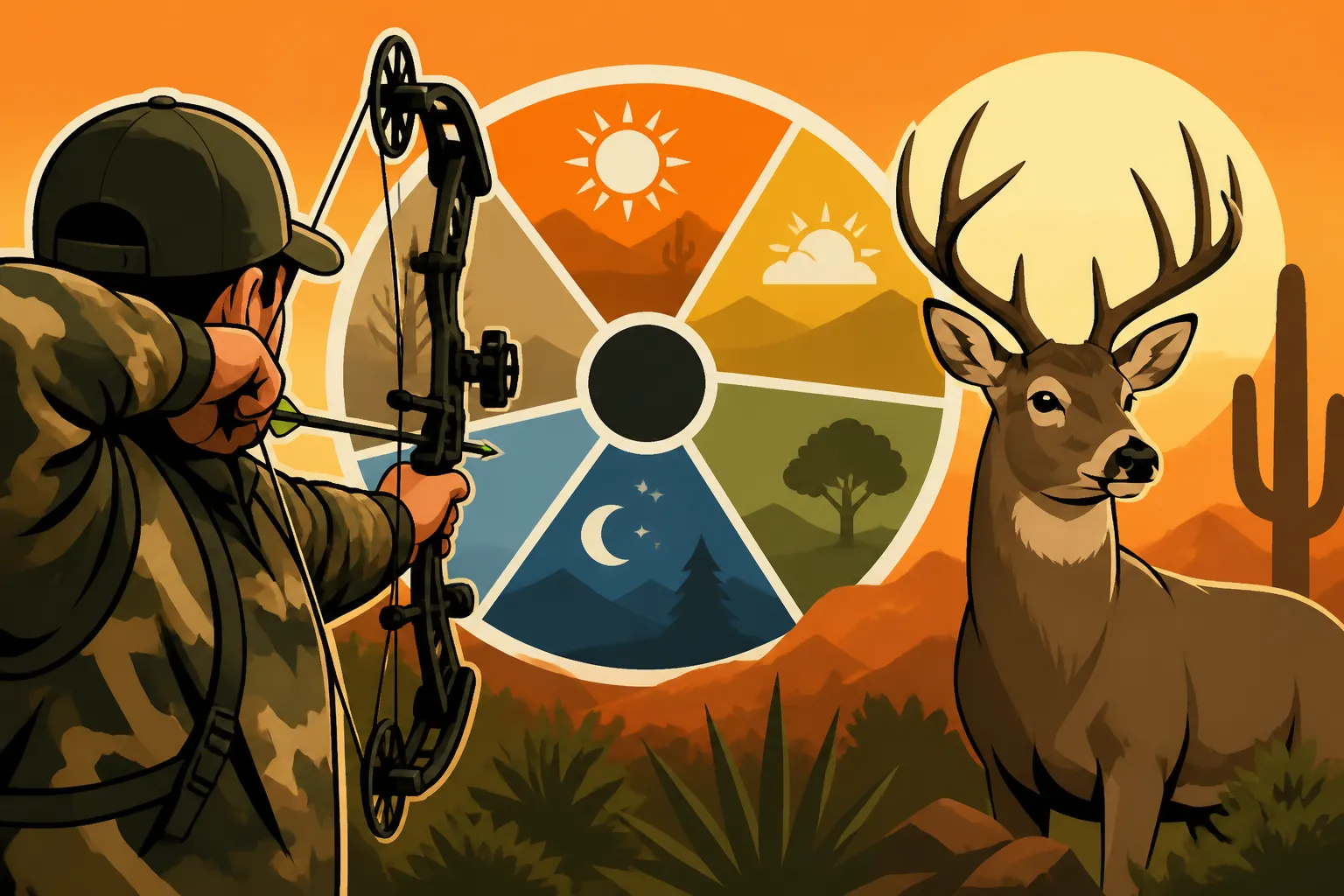
Enter the Arizona OTC archery deer season. This is where the barrier to entry drops significantly. Instead of waiting for a draw, you simply purchase your non-permit-tag and an Arizona hunting license, and you're good to go. It's an instant gratification system for hunters who crave time in the field. The truly remarkable aspect of this opportunity is its length: a sprawling five months. This isn't just a couple of weeks; it's split into two distinct periods, typically late August through mid-September, and then again from mid-December through the end of January. This extended timeframe offers unparalleled flexibility, allowing you to chase deer during the sweltering desert heat of the early season or brave the chill of winter when rut activity picks up. The ability to buy a tag without the stress and uncertainty of a draw is a breath of fresh air, providing a guaranteed hunting adventure year after year.
Legal Framework and Season Dates
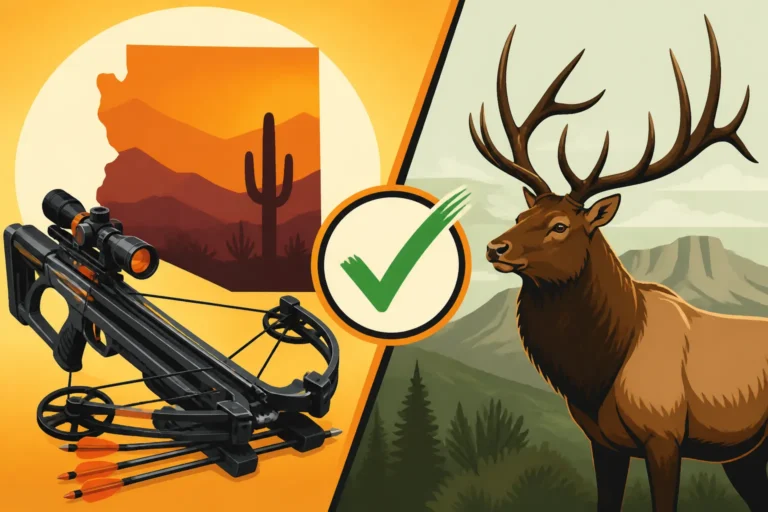
The Arizona OTC archery deer season is specifically designed for general archery equipment. This means vertical bows—compound, recurve, or longbows—are the only legal weapons. Crossbows, as of January 1, 2023, are no longer permitted in Arizona's archery-only seasons for general hunters, so leave that at home unless you qualify for a specific CHAMP permit. This is a critical distinction to remember.
The season is divided into two distinct windows:
- Early Archery Season: Usually runs from the last Friday in August for about three weeks, into mid-September. This is typically the hotter, monsoon-influenced period, where deer are often found near water sources.
- Late Archery Season: Generally kicks off in mid-December and extends through the end of January. This season is much colder, often bringing snow to higher elevations, and coincides with the primary rut for both Coues and Mule deer in many parts of the state.
Your OTC tag covers both Coues deer and Mule deer, depending on the unit you're hunting. You need to verify specific unit regulations as always, but generally, if the unit holds both, your tag is valid for either species. Be sure to check the current AZGFD regulations booklet for precise dates, as these can shift slightly year to year. Remember, you'll need to purchase a valid Arizona hunting license in addition to your OTC archery deer tag. This isn't just a recreational outing; it's a serious hunting endeavor, and understanding the legalities is your first responsibility.
Essential Gear for Desert Archery Deer Hunting
Hunting Arizona’s diverse landscapes during a five-month season means preparing for a huge range of conditions. From the scorching heat of late summer to potential snow in December and January, your gear needs to be robust, reliable, and carefully chosen. Unlike some hunts where a single setup might suffice, OTC archery deer demands versatility.
Bow Setup and Broadhead Requirements
First and foremost, your bow. For vertical bows, Arizona requires a minimum draw weight of 30 pounds for hunting deer. While 30 pounds is the legal floor, I’d strongly recommend shooting a bow with a significantly higher draw weight, especially if you plan on pursuing mule deer. A minimum of 50-60 pounds for compound bows is a much more ethical and effective starting point, ensuring you have enough kinetic energy and momentum to achieve a clean pass-through. If you’re a traditional shooter, accuracy at a higher draw weight is even more paramount. You'll want to ensure your bow is perfectly tuned, with well-matched arrows, and that you're consistently shooting tight groups out to your maximum ethical range. This isn't the time to push your limits; know your personal effective range cold.
When it comes to broadheads, Arizona has specific regulations. They must have a minimum cutting width of 7/8 inch. This rule is designed to ensure adequate wound channels for humane harvests. Both fixed blade and mechanical broadheads are legal, as long as they meet that minimum width when deployed. Many hunters have strong opinions on fixed versus mechanical, but the key is to choose one you trust, one that flies true from your bow, and one you've extensively practiced with. I’ve seen hunters try to switch broadheads just before a hunt only to find their arrow flight completely off. Don't make that mistake. If you're considering mechanicals, ensure they deploy reliably and achieve the necessary cutting diameter.
Optics: Your Eyes in the Arizona Desert
If there's one piece of gear that is absolutely non-negotiable for Arizona deer hunting, it's quality optics. The vast, open country of Arizona, whether it's the saguaro-studded Sonoran Desert or the juniper breaks of the central uplands, demands superior glassing capabilities. You simply cannot effectively hunt deer in many of these landscapes without spending hours behind good binoculars, a spotting scope, and a sturdy tripod.
A good pair of 10x binoculars is your primary tool for scanning large swaths of country. I personally prefer 10×42 or 10×50 for extended glassing sessions, as they offer a good balance of magnification and light gathering. However, for truly picking apart distant hillsides and canyon walls, a pair of 15x binoculars or, even better, a high-quality spotting scope (like a 20-60x80mm) mounted on a stable tripod is essential. You'll often be spotting deer several miles away, and only quality glass will resolve the details needed to confirm it's a deer, let alone a buck worth pursuing. Investing in the best optics you can afford is not a luxury; it's a necessity that will directly impact your success. Companies like GoHunt, which provide hunting insights and gear reviews, consistently emphasize the critical role of superior optics for Western hunting.
Clothing and Hydration for Extreme Conditions
The five-month OTC archery deer season covers a massive swing in temperatures and weather. The early season in August and September can see daytime temperatures well into the triple digits, especially in southern Arizona. Conversely, the late season in December and January can bring freezing temperatures, rain, and even snow to higher elevations. Your clothing system needs to be adaptable.
For the early season, think lightweight, breathable, moisture-wicking fabrics in light colors or desert camo patterns. Sun protection, including a wide-brimmed hat, sunglasses, and gaiters, is crucial. You’ll also need to consider ways to mitigate your scent in warmer conditions. As the season progresses into winter, you’ll transition to a layering system. A good base layer, insulating mid-layers (fleece or puffy jacket), and a waterproof/windproof outer shell are indispensable. Remember that early mornings can be frigid, but midday sun can still warm things up quickly, so the ability to shed or add layers easily is key.
Hydration is paramount, especially in the early season. You simply cannot carry enough water for multiple days in the desert heat, so planning for water sources or caching water is vital. A hydration pack with at least 3 liters capacity for a day hunt is a minimum, often supplemented with extra bottles. Consider a personal water filter or purification tablets for emergency refills from natural (but potentially dirty) sources. Dehydration can quickly become a life-threatening situation in Arizona. In the early season, you're not just fighting the heat; you're also often fighting off heat exhaustion and making sure you're hydrated enough to make sound decisions. The guide to Heat Management on an Arizona Early Season Hunt offers even more in-depth advice on staying safe.
Scouting and Locating Deer in OTC Units
Finding deer in Arizona’s vast OTC units can feel like searching for a needle in a haystack, especially if you're unfamiliar with the area. Success often hinges on thorough preparation, both from your computer screen and with your boots on the ground. You need to leverage every tool at your disposal to narrow down potential hunting areas and understand deer behavior within those zones.
E-Scouting: Your Digital Reconnaissance
Before you ever set foot in the desert, your e-scouting game needs to be strong. This is where you can significantly increase your efficiency and reduce wasted time in the field. Start by identifying potential Game Management Units (GMUs) that hold both Coues deer and Mule deer, keeping in mind their preferred habitats. For Coues deer, you'll often be looking at mountainous "sky island" units in southern Arizona, while mule deer are more prevalent in the central and northern plateaus.
Utilize online mapping tools and applications like onX Hunt, Gaia GPS, or programs recommended by GoHunt. These platforms are invaluable for identifying land ownership (public vs. private vs. State Trust Land – remember, your hunting license acts as your permit for Arizona State Trust Land Needs a Permit, and Your License Counts), topography, vegetation, and most importantly, water sources. Look for subtle changes in elevation, north-facing slopes with more cover, and saddles or draws that might serve as natural travel corridors. Pay close attention to stock tanks, seeps, and natural springs, as these are absolute magnets for deer in arid environments. You can literally trace washes and drainages for miles, looking for potential ambush points or areas where deer might bed down in the shade during hotter months. The deeper you go with your digital maps, the better your understanding of the unit will be. You can learn more about how to maximize these digital tools in our guide to E-Scouting an Arizona Unit Before the Season.
Boots-on-the-Ground Scouting Strategies
Once you've done your homework with e-scouting, it's time to hit the dirt. There's no substitute for experiencing the terrain firsthand. Ideally, you want to make a scouting trip a few weeks before the season opens. This allows you to verify your e-scouting findings, identify fresh deer sign, and get a feel for the accessibility of different areas.
When you're out there, focus on finding recent tracks, scat, rubs, and scrapes. These are undeniable indicators of deer presence. Look for areas with good forage, sheltered bedding areas, and clear travel routes between them. Often, deer will use the path of least resistance, especially when moving between feeding and bedding areas. Pay attention to how the wind and thermals move through the canyons and draws, as this will be critical for your actual hunt. Quiet movement is paramount. Walk slowly, stop frequently, and listen. Bring your binoculars and spotting scope, treating your scouting trips like mini-hunts, glassing every hillside and shadow. Understanding the subtleties of the terrain and how it hides an approach in desert country can make all the difference when it's time to make a stalk.
Water Sources: The Lifeline of Desert Deer
I cannot overstate the importance of water in Arizona deer hunting, especially during the early season. In many units, deer will not be far from a reliable water source. Identifying these vital spots during your e-scouting phase and confirming them on the ground is paramount. Stock tanks, often built for livestock but used by all wildlife, are key. Natural seeps, springs, and even temporary puddles after monsoon rains can be life-sustaining for deer.
Once you've located water sources, your strategy can begin to take shape. During the early, hot season, deer will visit water frequently, often in the early morning and late evening, or even in the middle of the day if it's exceptionally hot. Setting up an observation point with good wind advantage near a reliable water source can be a highly effective tactic. However, it's crucial to understand the ethical considerations when hunting near water. Arizona Game and Fish has clear guidelines on Water Sources and Ethics in Arizona Desert Hunting, emphasizing minimizing disturbance and respecting the needs of all wildlife. Never contaminate a water source, and always be mindful of your impact on these critical desert oases. You can also find valuable insights in our article on Finding Water in Arizona's Dry Country for a deeper dive.
Hunting Tactics for Archery Deer
Once you've scouted your chosen unit and have a good understanding of where the deer are likely to be, it's time to translate that knowledge into effective hunting tactics. Arizona's OTC archery deer season, with its varied terrain and climate, lends itself to several distinct approaches, each requiring patience, skill, and adaptability.
Spot-and-Stalk in Open Country
The quintessential Arizona deer hunting method, especially for Coues deer, is spot-and-stalk. This is a game of patience and observation, often referred to as "hunting with your optics." You'll spend hours, sometimes entire days, perched on a vantage point with your spotting scope and binoculars, systematically dissecting distant hillsides and canyon systems. The idea is to find deer (or fresh sign), confirm it's a shooter buck, and then meticulously plan your approach.
This is where your top-tier optics really shine. You'll be using techniques like Glassing Grids for Arizona Coues Deer, slowly and methodically scanning every inch of terrain, looking for a flick of an ear, the horizontal line of a deer's back against vertical brush, or the distinct shape of an antler. Once spotted, the real work begins. The stalk itself can be brutal. Arizona's terrain, particularly in Coues country, is often steep, rocky, and covered in unforgiving prickly pear cactus and wait-a-minute bushes. Closing the distance on a bedded Coues buck from hundreds of yards to bow range (typically 20-50 yards) without being seen, heard, or smelled is an incredibly difficult challenge. You'll need to use every piece of available cover, move excruciatingly slowly, and constantly monitor the wind. Pay close attention to thermals, which can shift dramatically throughout the day, often blowing uphill in the morning and downhill in the evening. Reading and Playing Thermals on a Canyon Stalk is a skill that comes with practice and observation. This is why Coues deer are often called "gray ghosts"—their ability to vanish is legendary. For more on this, check out Why Arizona Coues Hunting Is a Glassing Game.
Ambush Hunting Over Water or Travel Corridors
While spot-and-stalk is dominant, ambush hunting can be highly effective, especially during the early, hot season or in areas with predictable deer movement patterns. This tactic involves identifying a key location where deer are likely to pass through or congregate, and then setting up a ground blind or finding natural cover to wait them out.
Water sources are prime ambush locations, as discussed earlier. During the scorching August and September hunts, deer must drink. Setting up a silent, well-camouflaged blind downwind of a stock tank or seep, ideally several hours before deer are expected to arrive, can yield excellent results. Similarly, identifying natural funnels or pinch points—like saddles between ridges, narrow washes, or game trails leading to feeding or bedding areas—can offer good ambush opportunities. These are often areas where Terrain That Hides an Approach in Desert Country allows deer to move unseen until they hit a more exposed crossing.
Success with ambush hunting relies heavily on thorough pre-hunt scouting to understand deer patterns. You need to know when deer are typically using these areas and approach and leave your ambush site without leaving any trace of your presence or disturbing the deer's routine. Silence, scent control, and extreme patience are your allies. This method is also effective for other desert game, as outlined in Sitting Water for Javelina and Deer.
Understanding Deer Behavior Through the Seasons
The extended five-month season means deer behavior will change dramatically. Understanding these shifts is key to adapting your tactics.
- Early Season (August-September): This is all about heat. Deer will be focused on staying cool, conserving energy, and finding water. They'll often bed in thick north-facing timber or in the deep shade of washes and canyons during the day, moving primarily at dawn, dusk, and even through the night. Focus your efforts around reliable water sources, lush feeding areas with good shade, and high-elevation pockets where temperatures are slightly milder. Monsoon rains can make fresh forage pop, pulling deer away from traditional water sources temporarily.
- Late Season (December-January): This is rut season for both Coues deer and Mule deer in many Arizona units. As temperatures drop and daylight shortens, bucks become far more active, cruising for does. This means they are more visible, less cautious, and potentially more responsive to calling (though calling deer with a bow is notoriously difficult). During this period, focus your scouting on areas where does congregate, as bucks will be checking these locations. South-facing slopes will offer warmth and forage, making them key areas to glass, especially after cold nights or snow.
- Species Differences: While both are deer, Coues and Mule deer have distinct behaviors. Coues deer are known for their incredible elusiveness and their preference for rugged, brushy mountains. They often live in smaller, more defined home ranges. Mule deer, particularly on the plateaus, can cover more ground and sometimes tolerate more open terrain, but they too are masters of using topography to their advantage. Your tactics will need to adjust based on which species you are primarily targeting.
Physical and Mental Preparation
Hunting Arizona’s OTC archery deer season isn't just a physical challenge; it's a mental one. The demanding terrain, extreme weather, and the sheer difficulty of closing the distance on an animal with archery equipment require both your body and your mind to be in peak condition. Don't underestimate either aspect.
Conditioning for Rugged Arizona Terrain
Arizona's landscapes are breathtaking, but they are also unforgiving. Whether you're navigating the steep, rocky "sky islands" of the south or the vast, undulating plateaus of the north, you'll be covering miles on foot, often with significant elevation gain and loss. Preparing physically is non-negotiable.
Your training regimen should focus on endurance, strength, and stability. Hiking with a weighted pack, mimicking the weight of your hunting gear plus a potential animal quartered out, is one of the best ways to prepare. Incorporate incline training, stair climbing, and uneven terrain into your workouts. Don't forget core strength, which is vital for carrying weight and maintaining balance on tricky slopes. Start your conditioning several months before your hunt, gradually increasing intensity and duration. Remember, you’re not just trying to make it to a glassing point; you're also planning for a potential pack out, which could be miles over rough country. Our guide on Preparing Physically for a Desert Hunt provides a more detailed breakdown of effective training.
Mental Toughness and Patience
Beyond the physical grind, Arizona archery hunting demands immense mental fortitude. Spot-and-stalk hunting, in particular, is a game of relentless patience and often, heartbreaking frustration. You might spend hours glassing only to spot a deer that quickly vanishes or is simply unapproachable. You might execute a perfect three-hour stalk only for the wind to swirl at the last minute, blowing your chances.
It’s crucial to maintain a positive mindset and a healthy dose of persistence. Don’t get discouraged by setbacks; they are an inherent part of the challenge. Learn from every missed opportunity and adjust your strategy. Celebrate the small victories, like successfully locating a buck or executing a flawless stalk (even if it doesn't end in a shot). This kind of hunting requires you to slow down, be present, and embrace the process, not just the outcome. Realistic expectations are also key; OTC archery deer hunting is challenging, and harvest success rates are often low. Go into it with the mindset of enjoying the experience, learning, and pushing your limits, and any harvested deer will be a hard-earned bonus.
Safety in the Arizona Backcountry
The remote nature of many Arizona hunting areas, combined with the often-extreme weather, means safety should always be a top priority. Being prepared for potential hazards can mean the difference between a successful hunt and a life-threatening situation.
One of the most talked-about dangers, especially during the early season, is snakes. Rattlesnakes are prevalent across Arizona, and an encounter is a real possibility. Be vigilant, watch where you step and place your hands, and consider snake gaiters for added protection. Understanding Snake Awareness on an August Archery Hunt is crucial for both prevention and knowing what to do in case of a bite.
Beyond snakes, ensure you have sufficient water, even in colder months, as dehydration can sneak up on you. Carry a comprehensive first-aid kit, a headlamp with extra batteries, navigation tools (GPS, compass, and map), and some form of communication device (satellite messenger/PLB) as cell service is often nonexistent in remote areas. Always let someone know your exact hunting plans, including your unit, intended route, and expected return time. Be aware of other hunters, especially on public land. Hunter orange is not required during archery seasons, but being visible at trailheads or when packing out can be a good idea. The Arizona backcountry is beautiful, but it demands respect and thorough preparation.
Field Care and Post-Harvest Considerations
Congratulations! After weeks of scouting, meticulous gear preparation, and a grueling hunt, you’ve finally put an arrow into an Arizona deer. This moment is the culmination of your efforts, but the work isn’t over. In fact, in Arizona's often-hot environment, the real race against time begins to ensure your hard-earned venison makes it home in prime condition.
Field Dressing in Warm Weather
One of the biggest challenges of harvesting an animal in Arizona, especially during the early archery season, is managing the heat. Ambient temperatures can easily be in the 80s, 90s, or even 100s in August and September. This means you need to act quickly and efficiently.
The moment your deer is down, get to it, tag it immediately, and begin the field dressing process. The goal is to remove the entrails as rapidly as possible to allow the carcass to begin cooling. If you have the knowledge and tools, consider skinning and quartering the animal on the spot, particularly if you’re a long distance from your vehicle. Getting the hide off will accelerate cooling significantly. Prop the carcass open, especially if you can’t skin it, to allow maximum airflow. Wipe away any excess blood and keep the meat as clean as possible. In warm conditions, even a few extra minutes can make a difference in meat quality. For an in-depth look at this crucial step, refer to Field Dressing in Desert Heat.
Tagging and Reporting Requirements
Arizona has strict regulations regarding tagging and reporting harvested big game. This isn't just bureaucratic red tape; it's vital for wildlife management. Immediately after harvesting your deer, you must detach and notch your tag, securing it to the animal. Make sure the date and time of harvest are clearly marked. This tag must remain with the carcass until it reaches your home or a processor. The guide on How Soon You Must Tag a Downed Animal highlights the importance of this immediate action.
In addition to tagging, you are required to report your harvest to AZGFD. This can usually be done online through their portal or by calling a specific number provided in the regulations booklet. Pay close attention to any "evidence of sex" requirements. For deer, this typically means leaving a specific part of the carcass attached (e.g., the head with antlers, or a portion of the unskinned carcass with external genitalia) until the meat is processed and stored. This ensures compliance and aids wildlife officers in verifying the legal harvest of a buck. Our article on Evidence of Sex Requirements on a Carcass provides all the necessary details to avoid any potential issues.
Meat Care and Transportation
Once field dressed and tagged, the focus shifts to getting your meat cooled down rapidly and transported properly. If you’re lucky enough to be hunting during the colder late season, this is less of a concern, but it's still good practice.
For warm-weather hunts, high-quality game bags are your best friend. They protect the meat from flies and dirt while allowing it to breathe. Quarter the deer and get the meat into these bags. Your next step is to get that meat on ice, immediately. Bring plenty of coolers filled with ice—more than you think you’ll need. You can often stop at gas stations or grocery stores in smaller Arizona towns to replenish ice supplies. Pack the quarters loosely in coolers, ensuring ice is in contact with as much of the meat as possible. Drain any melted ice water regularly to prevent the meat from soaking.
If you’re embarking on a multi-day backcountry hunt, especially for a mule deer in a remote unit, you might need to consider a meat hauler or a pack frame to get the quarters out to your vehicle. The further you are from your truck, the more crucial a well-thought-out meat evacuation plan becomes. Once you’re off the mountain or out of the desert, transport the meat to a reputable processor or home for self-processing. The goal is to keep that meat chilled and clean until it can be properly processed and frozen, ensuring you have delicious venison to enjoy for months to come.
OTC Archery Deer Season Comparison
To help you decide which part of Arizona's five-month OTC Archery Deer Season might be right for you, here's a quick comparison of the early and late season characteristics.
| Feature | Early Season (Late Aug – Mid Sep) | Late Season (Mid Dec – Late Jan) |
|---|---|---|
| Primary Challenge | Extreme Heat, Dehydration, Monsoons | Cold Weather, Snow (higher elevations), Rut Pressure |
| Deer Behavior | Hydration-focused, nocturnal movement, shade-seeking | Rut-focused, increased daytime activity, cruising bucks |
| Water Importance | Absolutely Critical – deer are drawn to water | Less Critical – deer are focused on forage and does |
| Vegetation | Lush after monsoons, but also thick and thorny | Drier, more open visibility, less thick undergrowth |
| Optimal Tactics | Ambush near water, early/late spot-and-stalk | Spot-and-stalk, focus on doe groups, glassing open areas |
| Coues Deer Rut | Minimal rut activity | Peak rut activity (often mid-January) |
| Mule Deer Rut | Minimal rut activity | Peak rut activity (often late December – early January) |
| Clothing Needs | Lightweight, breathable, sun protection, hydration | Layered, insulated, waterproof/windproof |
| Hunting Pressure | Moderate, but heat deters many | Can be higher in popular rut units |
| Packing Out | Extremely urgent due to heat | Urgent, but less critical than early season |
Disclaimer
Always consult the official Arizona Game and Fish Department (AZGFD) hunting regulations for the current year before planning any hunt. Regulations, season dates, and requirements can change annually. This guide provides general information and recommendations but is not a substitute for official AZGFD documentation.