Units Near Phoenix for Javelina
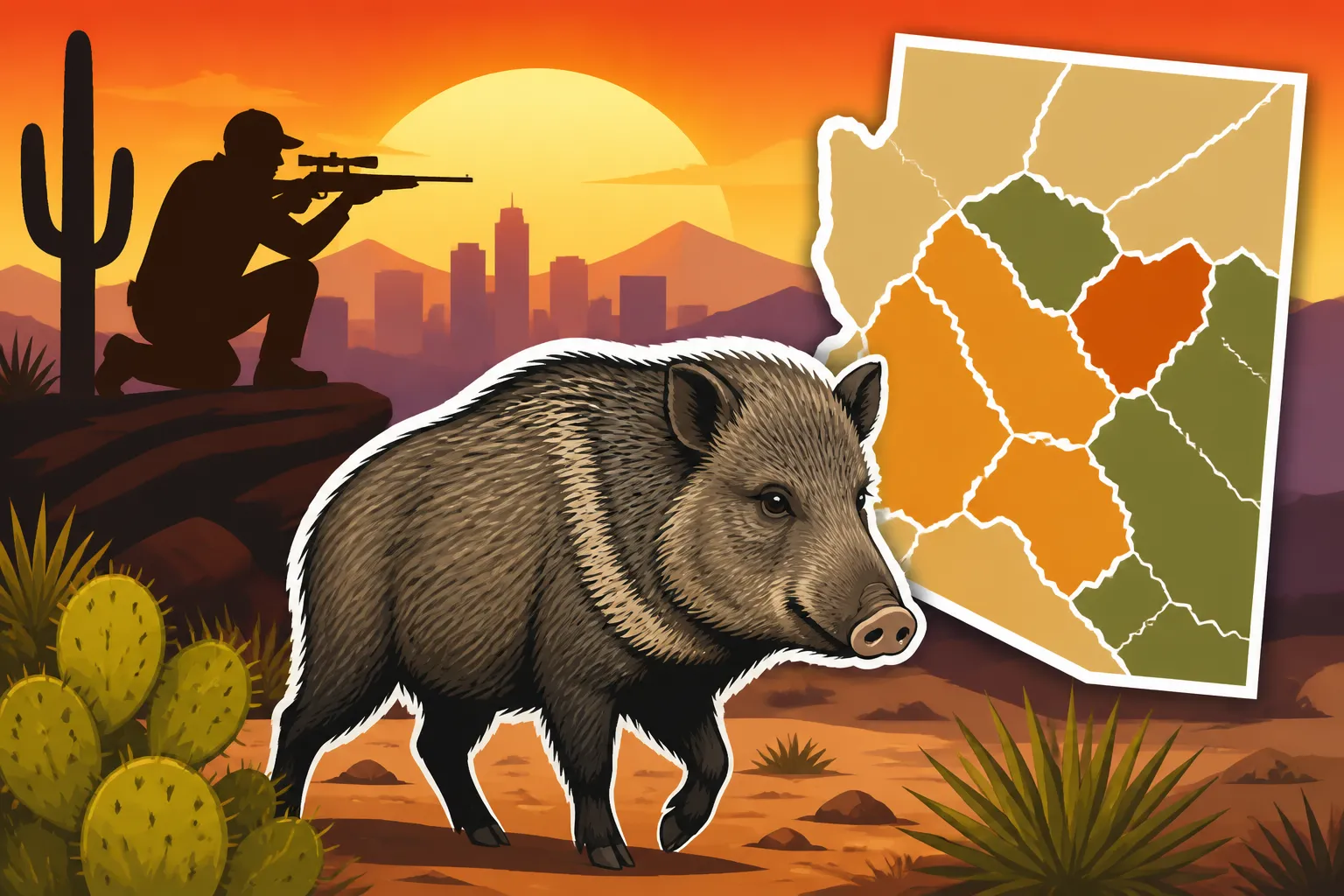
It’s a common Arizona hunting dream: to slip away from the bustling Phoenix metro area for a quick, accessible hunt without driving for hours. For many, that dream points directly to javelina, those feisty desert peccaries that offer a unique challenge. This guide will help you understand which units close to Phoenix offer the best opportunities for a javelina hunt, focusing on accessible public lands and key considerations for success.
The Allure of Javelina Hunting Near Phoenix
There’s something undeniably appealing about hunting javelina, especially when you live in a sprawling city like Phoenix. These "desert pigs" aren't pigs at all, but peccaries, known for their strong group dynamics, keen sense of smell, and a surprising ability to disappear into seemingly sparse desert cover. The best part? They thrive in many units relatively close to the Valley of the Sun, meaning you don't have to burn a tank of gas or commit to an overnight trip to get into prime habitat. The frustration of endless driving melts away when you realize quality javelina ground can be just an hour or two from your doorstep.
The fact that Arizona offers over-the-counter (OTC) archery javelina tags for much of the year further sweetens the deal, making them one of Arizona Javelina Tags Are Available All Year available options. This accessibility means less reliance on drawing a tag and more flexibility in planning your hunts, fitting them into busy schedules. Javelina Is Arizona's Most Accessible Big Game for a reason, making it a fantastic entry point for new hunters or a beloved annual tradition for veterans.
Why Javelina Are Great for Local Hunts
Javelina are uniquely suited for hunts close to urban centers because their preferred habitat often overlaps with the desert fringes that haven't been fully developed. They prefer rugged, brushy terrain with plenty of cover, but they don't necessarily need vast wilderness areas. This means that even smaller pockets of public land, or areas adjacent to suburban sprawl, can hold huntable populations.
They also offer a fantastic introduction to spot-and-stalk hunting in the desert. Their herd behavior means that if you find one, you usually find several. While their eyesight isn't the best, their nose is legendary, making wind direction and quiet movement paramount. It’s a game of patience and observation, perfect for honing skills that translate to other desert big game. Many hunters appreciate that a successful javelina hunt often culminates in delicious, lean meat for the freezer, dispelling myths about their palatability.
Understanding Javelina Habitat in Phoenix's Backyard
Javelina in Arizona thrive in Sonoran Desert scrub, chaparral, and even into lower elevation pinyon-juniper zones. Near Phoenix, this translates to units rich in prickly pear, mesquite, palo verde, saguaro cactus, and rocky washes. These plants provide both food and crucial thermal cover from the intense Arizona sun and occasional cold snaps.
When scouting units near Phoenix, you'll want to look for areas with a good mix of dense vegetation for bedding, open areas for foraging, and, most importantly, water sources. Even ephemeral water from recent rains can attract them, but reliable stock tanks and natural springs are always hotspots. Understanding Javelina Range Across Southern Arizona helps frame where these opportunities exist.
Prime Javelina Units Within a Short Drive of Phoenix
If you're looking to hunt javelina without a lengthy road trip from Phoenix, several units offer excellent opportunities. These units are generally within a 1-2.5 hour drive, putting you in the field relatively quickly.
Units to the East: Focus on the Tonto National Forest
Units to the east of Phoenix, largely encompassing the Tonto National Forest, are popular choices due to their proximity and varied terrain.
- Unit 33: Just east of the Valley, Unit 33 offers a diverse landscape ranging from Sonoran Desert to higher elevation chaparral and even some ponderosa pine. While the higher elevations hold other big game, the desert and chaparral zones are classic javelina country. Access is generally good off paved and dirt roads, but some areas can be very rugged. Look for deep washes and thick stands of prickly pear. This unit can see significant pressure, especially on opening weekends, so scouting is crucial to find less disturbed pockets. Hunters often focus on areas north of Superior or around the foothills west of Globe.
- Unit 37B: North and east of Apache Junction, Unit 37B is another strong contender. It's characterized by rolling desert hills, saguaro forests, and deep canyons, all of which are excellent javelina habitat. The Superstition Wilderness Area within this unit offers a more remote experience for those willing to pack in, but plenty of accessible public land exists closer to the main roads. Water sources like Canyon Lake or the Salt River can concentrate game, but glassing the surrounding hillsides and tracking through the washes away from permanent water can also pay off. Remember to check regulations for Tree Stand Rules That Apply on Public Land if you plan on using one near known travel corridors.
Units to the South: Rolling Desert and Less Pressure
South of Phoenix, the landscape transitions into a mix of state trust land, BLM, and some national forest. These areas can often be less pressured than those immediately east.
- Unit 39 (South): The southern part of Unit 39, which stretches south of Phoenix towards Florence, is predominantly flat to rolling desert with abundant mesquite, creosote, and ironwood. While perhaps not as scenic as the mountainous units, these areas can hold substantial numbers of javelina. Access often involves a network of dirt roads and washes. Success here often comes down to covering ground, either on foot or with binoculars from a high point, searching for herds moving between feeding and bedding areas. It's a great unit for Finding Water in Arizona's Dry Country as javelina will often travel to stock tanks.
- Unit 34A and 34B: These units south of Casa Grande offer classic Sonoran Desert habitat. Flat desert basins broken by smaller mountain ranges create a mosaic of prime javelina ground. Water is often scarce, making existing stock tanks and ephemeral washes critical areas to focus on. These units can feel vast and open, which makes powerful optics essential for spotting herds at a distance. When using resources like onX Hunt, pay close attention to the private land parcels interspersed with public ground, as navigating these boundaries is critical.
Units to the West: Accessible BLM and State Trust Land
West of Phoenix, the desert continues, offering more opportunities, often on expansive BLM and State Trust Land.
- Unit 40A and 40B: These units west of Phoenix, stretching towards Tonopah and Harquahala Valley, are mostly flat desert with occasional small mountain ranges. Like units to the south, these are dominated by creosote, palo verde, and mesquite. Javelina here are often found along the edges of agricultural fields, near washes, or in the low-lying hills. These units offer good vehicle access on many dirt roads, but be mindful of What an OHV Decal Covers on Trust Land if you plan to go off designated routes. Early morning and late evening hunts can be productive as javelina move to feed. A detailed mapping application like onX Hunt can be incredibly useful for understanding land ownership and road networks in these expansive units.
Comparing Phoenix Area Javelina Units
To give you a clearer picture, here's a brief comparison of some of these close-to-Phoenix javelina units:
| Unit Number | General Location from Phoenix | Primary Terrain Type | Typical Vegetation | Challenges/Notes |
|---|---|---|---|---|
| 33 | East | Desert, Chaparral, Mountains | Saguaro, Mesquite, Prickly Pear | Higher pressure, rugged areas, some wilderness |
| 37B | Northeast | Desert, Rolling Hills, Canyons | Saguaro, Palo Verde, Mesquite | Wilderness areas, good cover, popular |
| 39 (South) | South | Flat to Rolling Desert | Mesquite, Creosote, Ironwood | Vast, open, focus on washes/tanks, less pressure |
| 34A/34B | South (Casa Grande area) | Desert Basins, Small Mountains | Creosote, Palo Verde, Cactus | Water scarcity, glassing long distances |
| 40A/40B | West | Flat Desert, Low Hills | Creosote, Mesquite, Washes | Good access, focus on wash systems and fringes |
Remember, this is just a general overview. Conditions and javelina concentrations can vary year to year, and even season to season, based on rainfall and forage availability.
Planning Your Javelina Hunt Near Phoenix
Successfully hunting javelina near Phoenix isn't just about picking a unit; it's about preparation, understanding their behavior, and leveraging modern tools.
Pre-Season Scouting and E-Scouting
Before you even step foot in the field, invest time in e-scouting. Tools like onX Hunt are invaluable for this. You can overlay public and private land boundaries, identify potential water sources (stock tanks, guzzlers, washes), locate areas of dense cover, and map out access roads. Look for topography that creates natural funnels or pinch points where javelina might travel. E-Scouting an Arizona Unit Before the Season can save you countless hours of driving and walking during the actual hunt.
Once you have some areas identified, a real-world scouting trip is highly recommended. Look for fresh javelina sign: tracks, scat, chewed cactus pads, and bedding areas under mesquite or palo verde trees. Pay attention to how herds might move in relation to the wind, especially in different times of the day. Remember, Javelina Herd Behavior and Scent dictate their movements more than many other big game.
Essential Gear for Desert Javelina
Even for a relatively close-to-home hunt, proper gear is crucial. The desert, even near Phoenix, is unforgiving.
- Optics: High-quality binoculars (10×42 or 12×50 are good starting points) are non-negotiable for spotting javelina in the desert's vastness. A spotting scope can also be beneficial, especially in more open terrain like Units 34A/B or 39. Optics Power for Arizona's Long Desert Sightlines makes all the difference.
- Water: Seriously, carry more water than you think you need. Even on a cool day, dehydration can set in quickly. Water You Must Carry on a Day Hunt isn't a suggestion, it's a rule.
- Navigation: While you've e-scouted, always have a reliable GPS device or your phone with a fully charged battery and an offline map downloaded (like those offered by onX Hunt). Service can be spotty, and getting turned around in the desert happens faster than you'd think.
- Clothing: Layering is key, even in the desert. Mornings can be chilly, but midday sun will quickly warm things up. Durable, quiet clothing in subdued colors is best.
- Footwear: Sturdy, comfortable hiking boots are essential for navigating rocky, uneven, and often thorny terrain.
Hunting Strategies: Spot, Stalk, and Patience
Javelina hunting is primarily a spot-and-stalk endeavor.
- Glassing: Find a high vantage point overlooking a large area of prime habitat. Spend significant time glassing slowly and meticulously, looking for movement, dark shapes, or even just a flash of white javelina collar. Dawn and dusk are often the best times to catch them feeding.
- Stalking: Once you spot a herd, assess the wind direction carefully. Javelina have an incredible sense of smell. Plan your approach to keep the wind in your favor, using topography and vegetation for cover. Slow, deliberate movements are critical. This is where How Close a Bowhunter Needs to Get on Coues principles apply, even for a rifle hunter, as getting close minimizes the chance of detection.
- Calling: Javelina calls, which mimic distress calls or the sounds of contented feeding, can sometimes bring a curious herd closer, but use them sparingly and strategically.
- Patience: Javelina can appear and disappear as if by magic. If they bed down, you might need to wait them out. Patience is often rewarded.
Many hunters also leverage scouting reports and unit data. Resources like GoHunt, for instance, often provide detailed draw odds, harvest success rates, and even topographical maps that can give you an edge in understanding unit specifics. Pairing a strong mapping application like onX Hunt with detailed intelligence from platforms like GoHunt creates a powerful pre-hunt strategy.
Navigating Public and Private Land
Arizona’s landscape is a patchwork of public and private land. This is especially true in units closer to Phoenix, where ranching and other private holdings exist alongside BLM and State Trust Land. Using an app like onX Hunt is absolutely crucial for distinguishing these boundaries in the field. A hunting license acts as your permit for Arizona State Trust Land Needs a Permit, and Your License Counts, but always be aware of any signs indicating private property or specific land use restrictions. Unintentional trespass is a real concern and easily avoided with modern mapping technology. Understanding Hunting Areas Managed by Arizona Game and Fish can also guide your efforts, as these often have excellent access and habitat.
Managing Success and Ethical Considerations
A successful javelina hunt near Phoenix provides not only a thrilling experience but also a unique game animal for the table. Knowing the rules and ethical considerations ensures a positive outcome for everyone.
Field Care and Meat Salvage
Once you’ve successfully harvested a javelina, immediate field care is vital, especially in the often-warm Arizona climate. Javelina meat, when handled properly, is delicious. However, it's crucial to cool the carcass quickly. Field dress the animal as soon as possible and get it on ice or into a cooler. This is where Getting Meat Cooled on an Early Season Hunt becomes particularly relevant, even if you’re just a short drive from home.
Arizona has specific The Meat Salvage Requirements for Big Game rules that apply to all big game, including javelina. You must take all edible portions of the animal, typically the muscle tissue. Wasting game meat is not only unethical but also illegal. Ensure you're prepared to pack out the entire animal or its edible quarters.
Respecting the Resource and Other Users
Hunting near a major metropolitan area means you’ll likely encounter other outdoor enthusiasts – hikers, mountain bikers, OHV riders, and other hunters. Always practice courtesy and respect. Know your shooting hours; Arizona Legal Shooting Hours for Big Game are strictly enforced. Avoid shooting near developed areas or trails, and always be aware of your backdrop.
Beyond the hunt itself, remember that Arizona's javelina populations are a valued resource. Adhere to bag limits and reporting requirements. Leave no trace of your presence and pack out everything you pack in. Ethical hunting ensures these opportunities remain available for future generations, especially in accessible areas near population centers like Phoenix.
Disclaimer
This article is for general informational purposes only and does not constitute professional advice. Laws, prices and regulations vary by location and change over time. Consult a qualified professional for guidance on your specific situation.